
Metro Magazine

 MENU
MENU SEARCHMENUSEARCH
Loading data...
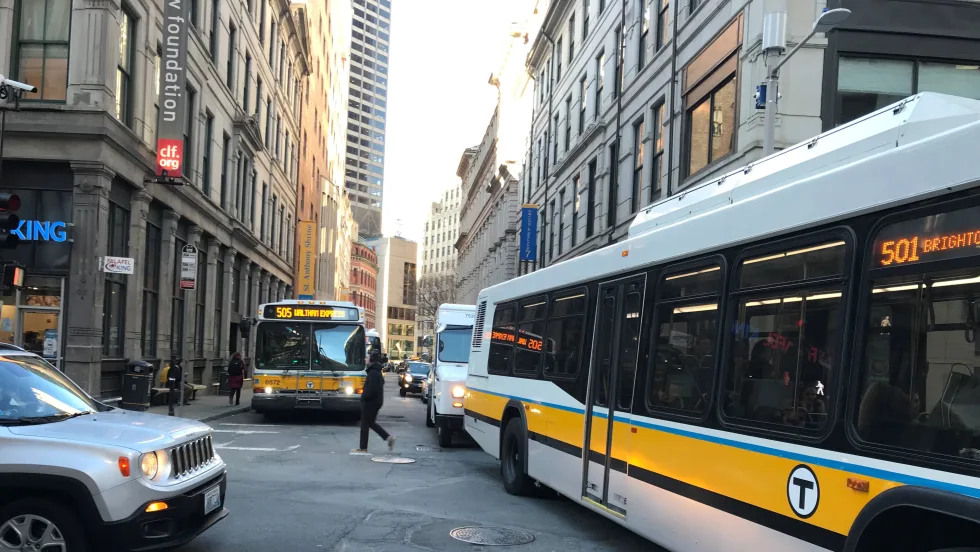
The RFSII program, administered by the EPA in cooperation with the DOA and DOE, requires that a specific volume of renewable fuel be used to replace or reduce the quantity of fossil fuel in transportation.
Read More →
Municipalities and other organizations using stations include NY/NJ Port Authority, Long Island Bus/Transit Authority and New York City Metropolitan Transportation Authority.
Read More →Vehicles included in these new certifications include: cab forward, cutaway van, chassis cab and custom chassis models.
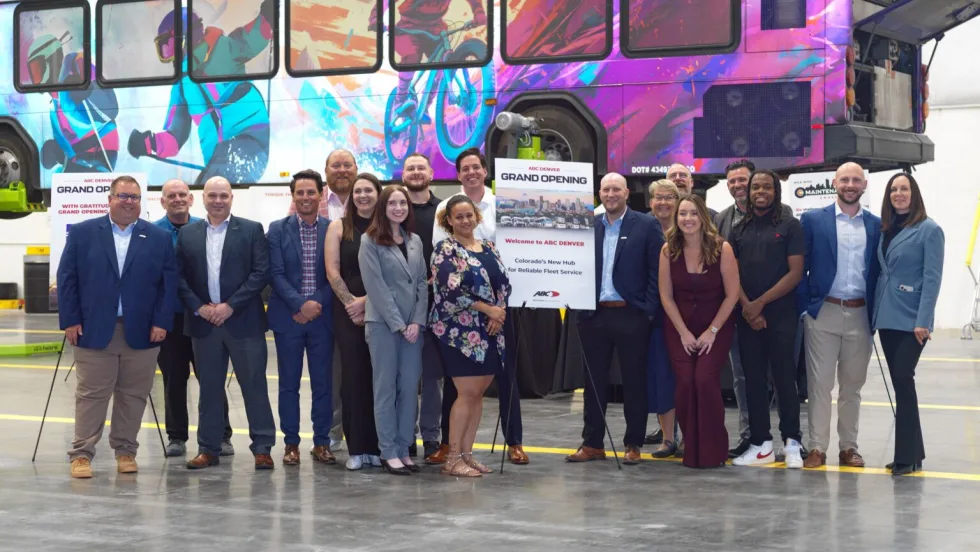
Read More →The event welcomed customers, fleet operators, industry partners, local leaders, and community members, marking ABC’s 10th U.S. service center and its first location in the Mountain West.
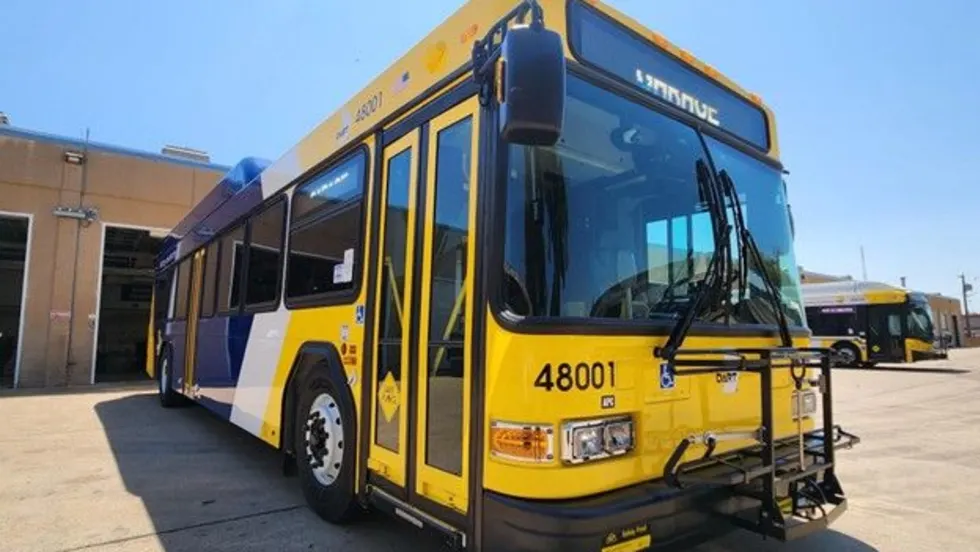
Read More →The new buses represent one of the first visible elements of DART Transform, which focuses on upgrading vehicles, stations, passenger facilities, and operating facilities, as well as creating a unified signaling system.
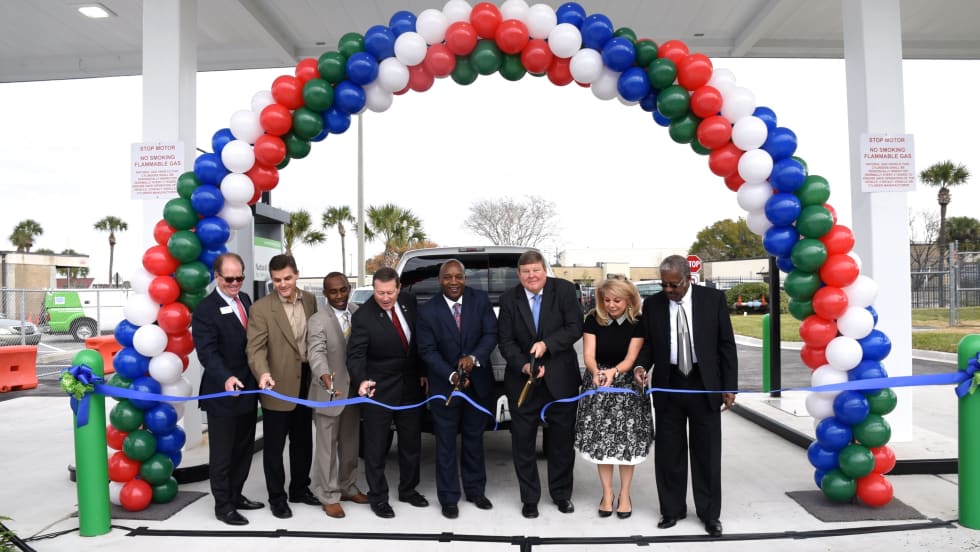
Read More →JTA’s goal is to have a fleet of 100 CNG buses over four years and we are well underway with 23 vehicles currently in the fleet.
Read More →Facility will be equipped with two fast-fill CNG dispensers plus 24 time-fill CNG dispensers to supply fuel for the OSU’s growing CNG campus bus fleet. The school plans to acquire and deploy 24 new CNG transit buses and 150 CNG fleet vehicles in the next three years, with up to 500 fleet vehicles anticipated within 10 years.
Read More →Will provide operations and maintenance services at their Bladensburg and Four Mile Run Bus divisions. Together, these facilities fuel more than 460 CNG buses each night. Under this contract, WMATA also has the option to replace their existing compressors with new ones.
Read More →Buses running on both compressed natural gas and ultra-low-sulfur diesel fuel, with the proper emission controls in place, can attain significant reductions in toxic emissions.
Read More →Starting Jan. 12, 2016, Metro will begin operating the first of 44 full-size buses, first of 10 paratransit vans and two MV-1 supervisor vehicles, all powered by CNG. The new buses and vans will replace the oldest diesel vehicles currently in use.
Read More →