
Metro Magazine

 MENU
MENU SEARCHMENUSEARCH
Loading data...
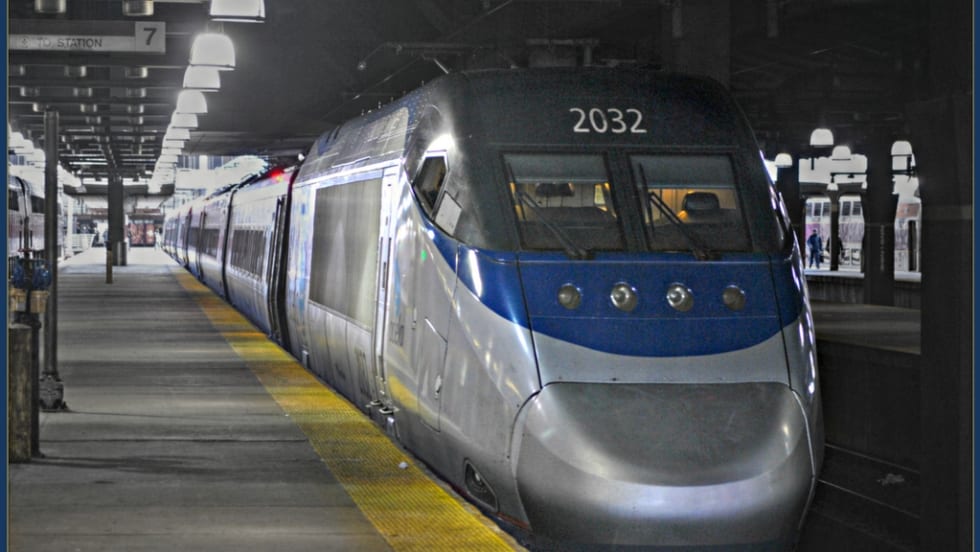
The U.S. Court of Appeals in Washington threw out a law passed to enforce a requirement that freight trains give priority to passenger trains on tracks they share.
Read More →
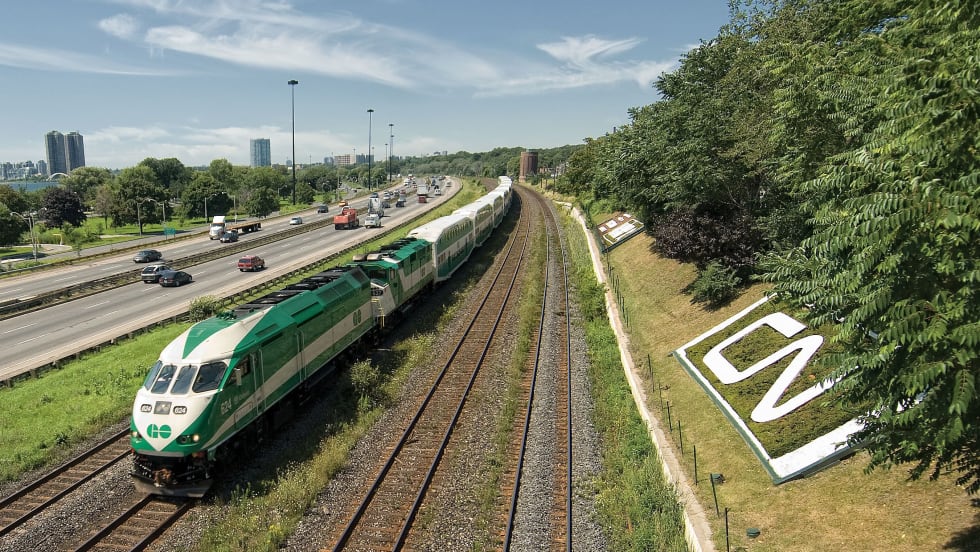
The low number is caused by aging trains, run-down tracks, outdated scheduling and few reserve vehicles to deploy when rail vehicles break down. The agency plans to update its scheduling, hire more supervisors and put out a bid next year for a new batch of light rail vehicles, which could be in service by 2017.
Read More →Under his leadership as president/CEO has experienced many accomplishments, including record ridership and revenue, continued reductions in the need for federal operating support, a significant pay down of debt and the best ever system-wide on-time performance.
Read More →The service's rail project — which is expected to take five years to complete — will cause many traffic problems, which could be an opportunity to attract people to transit. However, keeping buses running on time during the project could be difficult.
Read More →The majority of respondents to a Detroit news survey who rely daily on the bus system described it as “irritating, frustrating and time-consuming.” Sixty-two percent of respondents proposals to build a light-rail system in the city.
Read More →The revamped system's on-time performance drops to 60% before rebounding later in the day. Officials say the problems were the result of a new vehicle fleet, new reservationists and dispatchers, and general confusion.
Read More →The commuter rail system's smart card software will have to be modified to process refunds related to the policy, and there will have to be a protocol for identifying and serving eligible customers.
Read More →Refunds won't be offered when delays are caused by extreme weather, police investigations, accidents and medical emergencies.
Read More →MBTA would not be allowed to charge passengers if train departs 20 minutes or more after their originally scheduled departure time.
Read More →Provides statistics and performance data to the public for the first time. Responding to the results of its first survey, which includes requests for improvement in on-time performance and handling of service disruptions, the agency plans to invest $217 million in rail infrastructure enhancements and explore new fare collection technology.
Read More →