
Metro Magazine

 MENU
 SEARCHMENUSEARCH
Loading data...
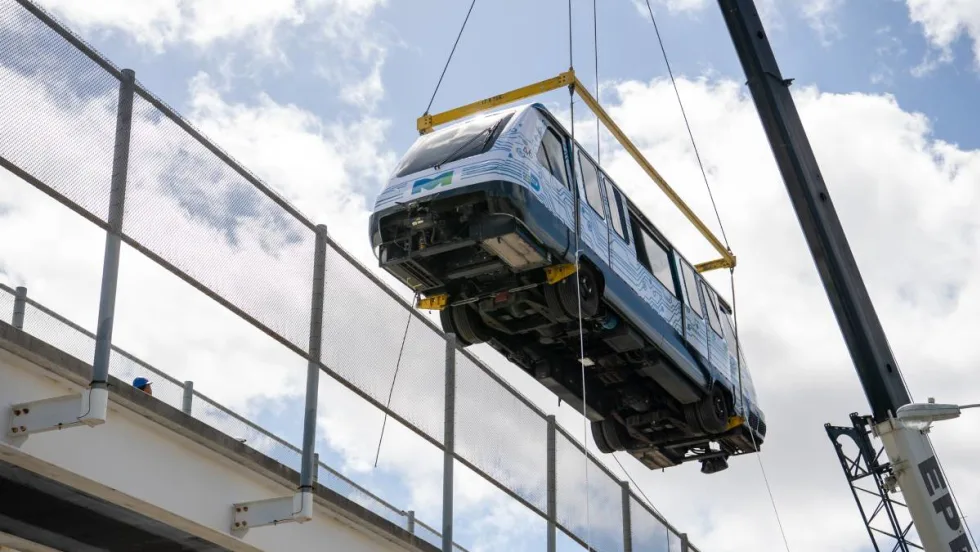
Infrastructure funding and regional initiatives support upcoming Metromover upgrades.
Read More →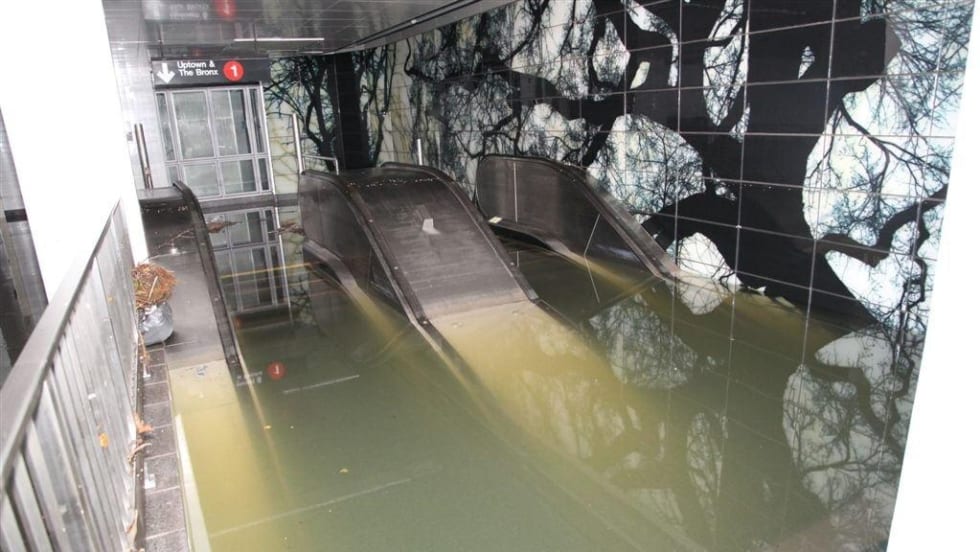



For the men and women who run the MTA’s vast network of subways and buses, Superstorm Sandy was a trial, not by fire, but by wind and water.
Read More →TrackSafe takes advantage of RFID technology to create improved location awareness for track workers and train operators, alerting both to potential hazards.
Read More →The new orders, which are exercised as two options under a contract signed in 2012, bring Trenitalia’s mostly Italian Jazz fleet to 95 trainsets.
Read More →Created in 2011 to assemble and maintain the Alstom Citadis trams for Algerian cities, CITAL, which includes Alstom, EMA and Ferrovial, supports the industrialization of the country and boosts the local economy.
Read More →The Songjiang district plans to build six tramway lines by 2020. The 30 Citadis trams will run on the two first lines, T1 and T2, that will cover a total distance of 31 kilometers and include 42 stations. These two lines are expected to be in operation by 2017 and transport 173,000 persons per day. In total, the city of Shanghai plans to build 800 km of tramway network by 2020[2].
Read More →Friction between brakes and train wheels generates airborne pollutants, including nitrogen dioxide and particulate matter in the subway systems.
Read More →Passengers will be able to watch movies and TV, check e-mail and shop online.
Read More →Won UITP’s award for Intermodal Innovation for Latin America for its Innovia Monorail 300 system for the São Paulo Metro. The monorail’s advantages include its high passenger capacity combined with the fact that the system is cost effective to introduce as it does not require major infrastructure or civil works.
Read More →By the end of June, the seven finalists in the Federal Railroad Administration’s Maglev Deployment Program are required to submit plans to construct maglev in their respective states.
Read More →