



Maglev Proposals Due, States Request More Than One Area Be Selected
By the end of June, the seven finalists in the Federal Railroad Administration’s Maglev Deployment Program are required to submit plans to construct maglev in their respective states.

By the end of June, the seven finalists in the Federal Railroad Administration’s Maglev Deployment Program are required to submit plans to construct maglev in their respective states. The finalists are Georgia, Washington D.C., Nevada, Pennsylvania, California, Louisiana and Florida. Though only one state is supposed to be chosen for funding by the federal government, all of the states, except for California, requested to Congress that more than one state be selected. "There are about 30 states that want to construct maglev," said Mark Dysart, president of the High Speed Ground Transportation Association. "They are now ahead of the federal government." Under the Transportation Equity Act for the 21st Century (TEA 21), $55 million was allotted for fiscal years 1999-2001 to transportation systems employing maglev. Federal funds totaling $950 million were authorized, but not appropriated, by TEA 21 for fiscal years 2000-2003 for the final design and construction of the most promising maglev project. The federal share of the final project’s total capital costs cannot be more than two-thirds, with the remaining portion to be covered by a non-federal funding source. To be eligible for the maglev program, projects must meet certain criteria, including: exhibiting partnership potential, operating as a transportation system in revenue service, the ability to be undertaken through public-private partnerships and safely reaching speeds of at least 240 mph. The states' plans, due June 30, must include an environmental analysis, a project description and supporting pre-construction planning reports. Selection of a final project is estimated to be completed by September 30, at which point it will undergo an Environmental Impact Statement (EIS). A cause for concern, as stated in comments filed by the FRA, is that there is not enough time by the June deadline to determine the safety and validity of a single project. The final rule for the deployment program stipulates the possibility that more than one project may be chosen to undergo an EIS. In that case, a final project would not be selected until 2001. As one of the seven selected projects, the Greater New Orleans Expressway Commission (GNOEC) is planning a 48-mile maglev system that would be built on existing rights-of-way and serve 3,000 people per hour. New Orleans is one of the areas requesting more than one project to be selected for further environmental analysis. "There is not enough information [at this stage] to substantiate a comprehensive decision," said Hunter O. Wagner, general manager of the GNOEC. "There are problems on hand with the selection of one member who might not be able to fulfill the required obligations." Though Wagner said New Orleans would not be the No. 1 choice if only one area was selected, he said he believes it has an excellent chance of developing into a strong system if given the opportunity. The project in D.C., spanning 40 miles from Baltimore to Washington, estimates a daily ridership of 33,000 to 36,000. In the spirit of all maglev projects, it will reduce travel times, increase mobility and reduce congestion. Though he said it is ultimately up to the FRA, Suhair Alkhatib, project manager at the Maryland Mass Transit Administration, thinks more than one area should be selected at this stage. "For a project to go forward, it is going to need more environmental work," Alkhatib said.
More Rail
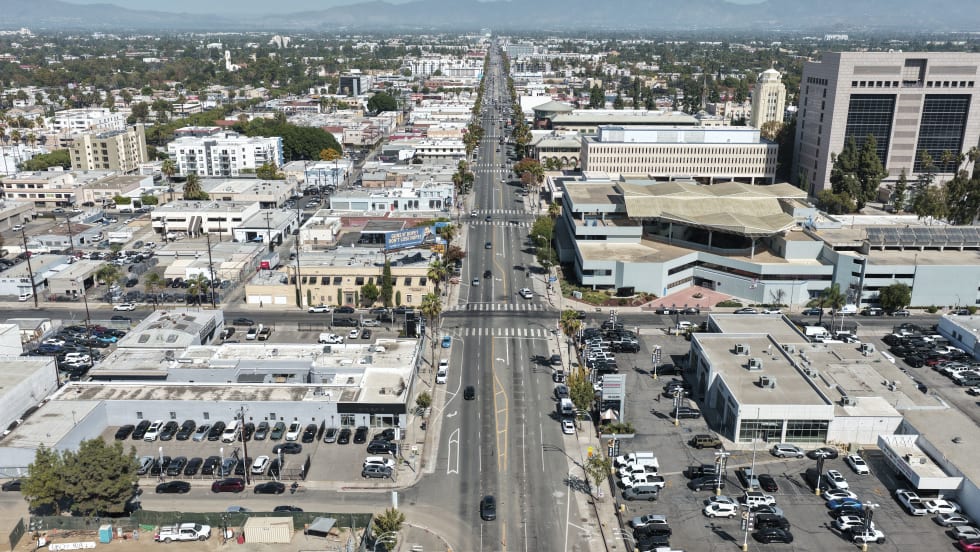
LA Metro Breaks Ground on East San Fernando Valley Light Rail Project
The 6.7-mile line will add 11 stations along Van Nuys Boulevard, expand access to jobs and regional transit connections, and support Metro’s broader efforts to improve mobility as rail ridership grows.
Read More →
CSA Group Releases Climate Resilience Standard for Transit, Passenger Rail
Developed with support from the Standards Council of Canada, CSA D700 guides assessing climate-related risks and planning adaptation measures for transit and passenger rail systems.
Read More →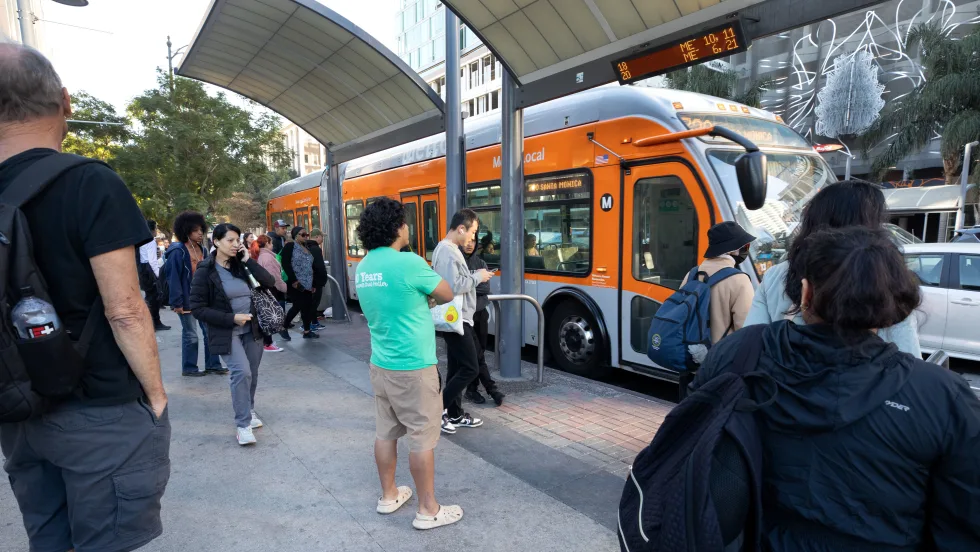
LA Metro September Ridership Climbs 3.9%, Led by Rail Growth
The agency recorded more than 27.2 million boardings, with rail ridership increasing 12.4% year over year and the D Line posting the largest gains.
Read More →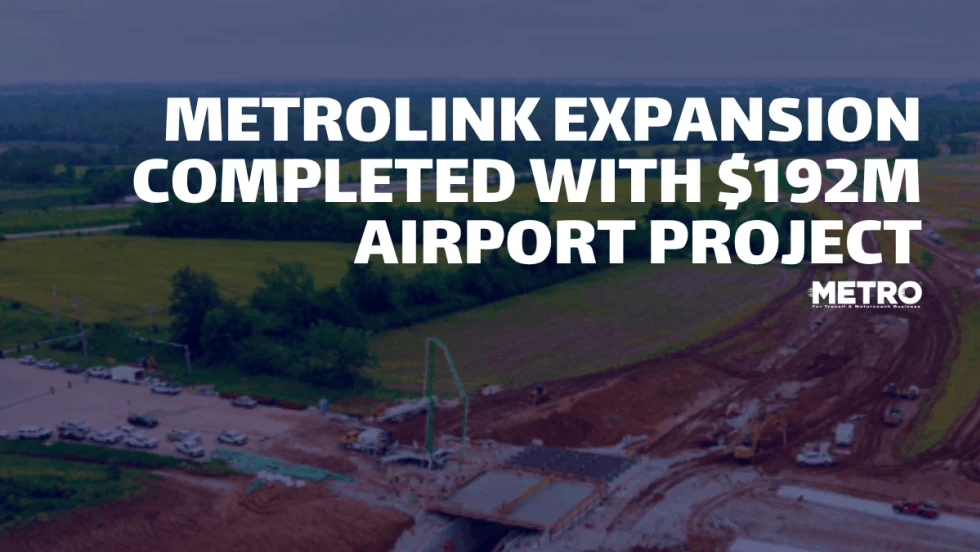
First Full MetroLink Rail Expansion Completed in 20 Years with $192M Airport Project
The project links two St. Louis-area airports by light rail while adding roadway and bike trail connections to improve regional access and mobility.
Read More →
Utilimarc Launches SmartReplace to Optimize Fleet Replacement Decisions
AI-powered SmartReplace helps fleets prioritize vehicle replacements, model budget scenarios, and build more defensible long-term strategies.
Read More →
Scenes from APTA TRANSform & EXPO 2026
Transit leaders, manufacturers, and industry professionals gathered in Chicago to explore new technologies, share ideas, and discuss the future of public transportation.
Read More →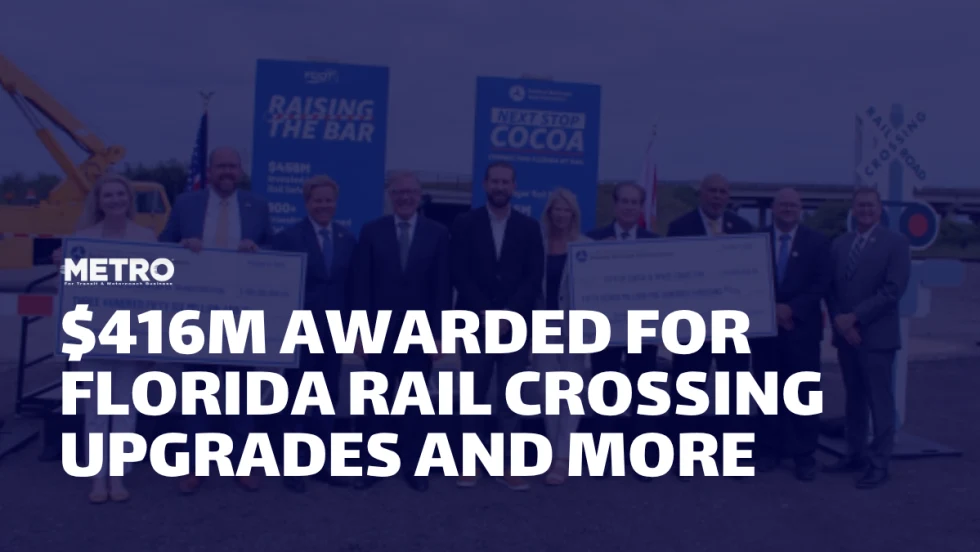
USDOT Awards $416 Million for Florida Rail Crossing Safety Upgrades, New Brightline Station
The projects aim to reduce risks for motorists and pedestrians at rail crossings while expanding passenger rail access along Florida’s Space Coast.
Read More →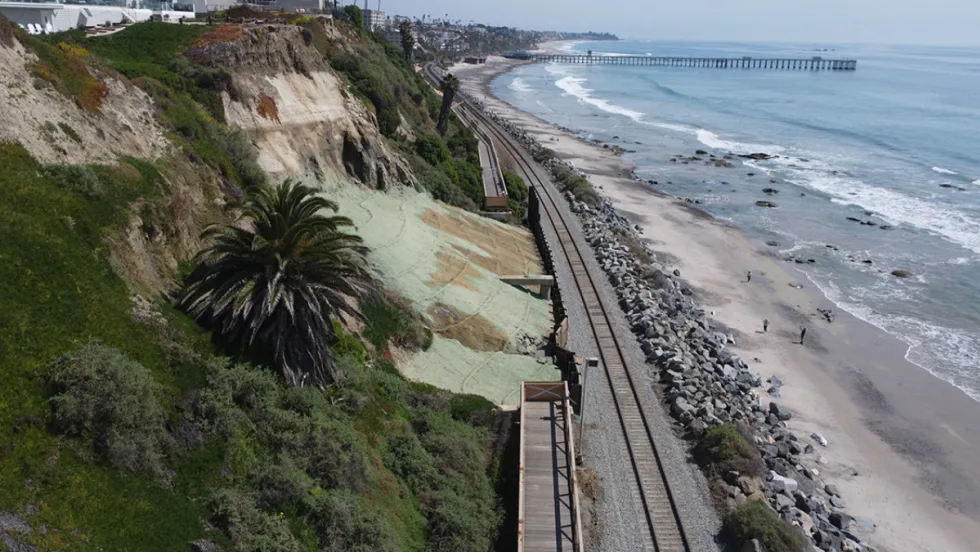
OCTA Declares Emergency to Protect Rail Corridor From Coastal Erosion
The California agency is accelerating shoreline protection and plans to place approximately 690,000 cubic yards of sand along the San Clemente coast to protect a key passenger and freight rail link.
Read More →
More Than a Summer Job: Building the Next Generation of Transit Talent
The Delaware River Port Authority and PATCO have transformed their internship program into a hands-on professional development experience that introduces students to the breadth of transportation careers — and creates a pipeline for future employees.
Read More →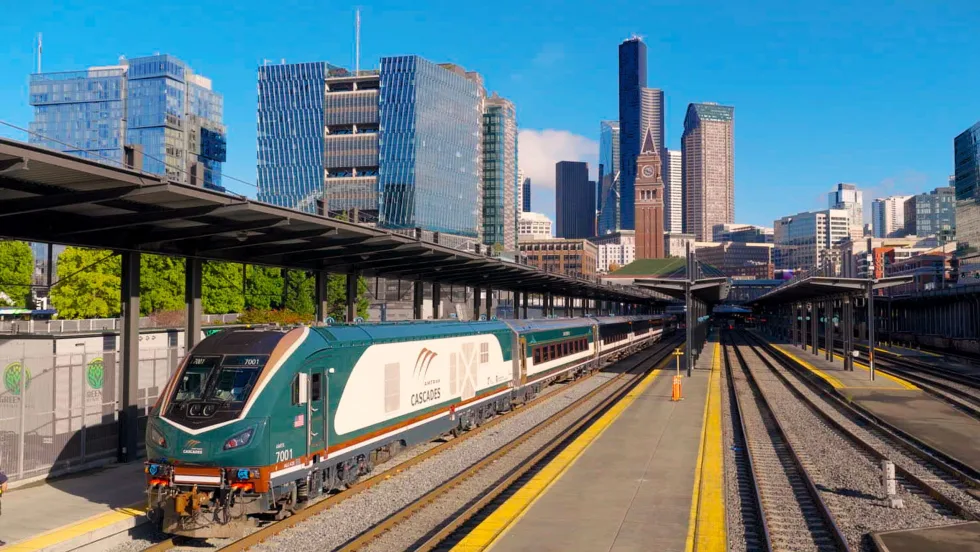
Airo Trains Make Their Amtrak Cascades Debut in the Pacific Northwest
Effective immediately, two cutting-edge Airo trainsets will join the Amtrak Cascades route, operating four daily trips between Vancouver, B.C., Seattle, Portland, and Eugene, Oregon, marking the first introduction of Airo trains into passenger service anywhere in the country.
Read More →