



Argentina benefits from San Diego's trolleys, experience
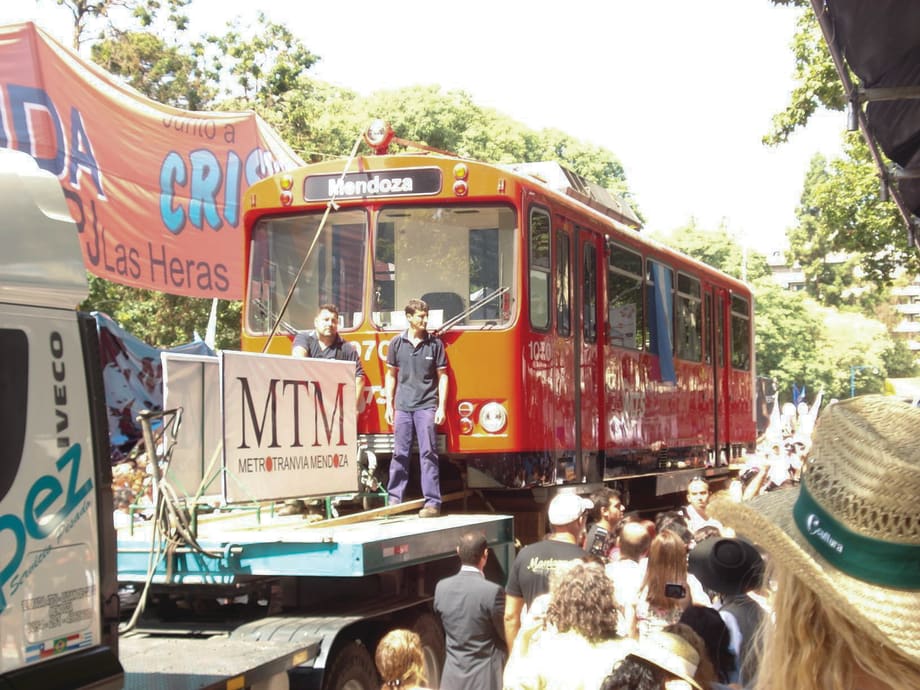
San Diego MTS is selling 11 of its light rail vehicles to the Provincial Government of Mendoza in Argentina for $3.3 million.

MTS estimates that each car has carried more than two million passengers and traveled more than nine million miles.

The legacy of several San Diego Metropolitan Transit System (MTS) trolley cars that ran on the tracks for nearly 30 years will carry on, continuing operation thousands of miles away in Mendoza, Argentina.
MTS reached an agreement to sell a total of 11 light rail vehicles (LRVs) to the Provincial Government of Mendoza for $3.3 million in September 2010. They were successfully tested and unveiled in March in Mendoza on its soon-to-open Metrotranvía Mendoza light rail system. The vehicles were shipped to Argentina in January of this year.
The deal has helped MTS, at a time when, like many other transit properties, it needs the money, MTS CEO Paul Jablonski explained. In turn, Mendoza is benefiting from getting the cars at a fraction of the new car price, as well as MTS' knowledge base and support.
MTS shipped two more vehicles in April and will send the last five in the fall. Shipping entailed dismantling the cars into two pieces, encasing them in plastic and loading them on flat beds. They traveled by truck to Houston, by boat to Buenos Aires and, then, by truck again the remaining distance to Mendoza.
The vehicles are expected to be in operation in July. Mendoza may purchase more vehicles from MTS in the future.
"They're developing in three stages what's going to be in excess of a 20-mile line," Jablonski said. "They are probably going to need 40 or 45 cars. While this first 11 is just the start-up, we conceivably could sell the majority of the cars we want to get rid of to them."
Taking part in the unveiling ceremonies were Jablonski and San Diego County Supervisor and MTS Vice Chairman Ron Roberts, among others, who attended as the invited guests of the Mendoza government. The three met with Mendoza Gov. Celso Alejandro Jaque and its Minister of Infrastructre, Transportation and Housing Francisco Humberto Perez. While on the trip, Roberts also met Argentinean President Cristina Fernandez de Kirchner.
Roberts, in making comments to the people of Mendoza, drew many parallels between the Mendoza system and San Diego's original line, which was built in 1981.
MTS estimates that each car has carried more than two million passengers and traveled more than nine million miles.
"That these cars have an extensive life left after so many years of service in San Diego is a testament to our maintenance efforts," said Jablonski. "It is very gratifying to see that these cars will continue to operate and provide a vital transportation alternative after almost 30 years of service."
Over the course of the visit, the San Diego representatives discussed with local transit and government officials best practices and provided detailed information about San Diego Trolley's operating procedures for training, safety and other critical components of light rail service delivery. MTS maintenance personnel also traveled to Mendoza to help reassemble the vehicles after transport and provide instruction to the Argentinean maintenance personnel on preventive maintenance schedules and various components.
"When the first trolley moved under its own power there, I think it was a national historical event," Jablonski said. "We did a TV interview and had two news station reporters and magazines there. We made all the papers almost every day we were there. It was kind of fun to be the center of attention."
MTS is replacing the sold vehicles and others with 57 of the newest generation of low floor LRVs from Siemens. The agency will begin taking delivery on the new cars this summer. The switch to low-floor trolleys is part of the $650 million Trolley Renewal Project, which will rebuild the Blue and Orange Lines. The low-floor cars will speed boarding for all passengers and enhance the on-time performance of the trolley system. The new cars also will reduce MTS operating costs as older, higher maintenance cars are replaced.
More Rail

Biz Briefs: STV teams with Amtrak, Motorcoach Operators Boost Fleet and Land Contracts, and More
From manufacturers and suppliers to transit agencies and motorcoach operators, these updates offer a snapshot of the projects, partnerships and business moves driving the industry forward.
Read More →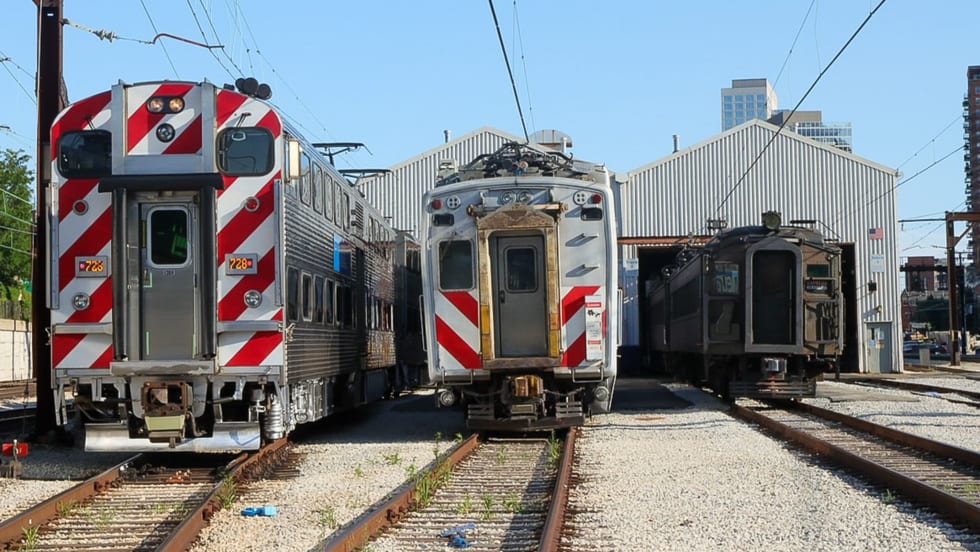
Metra Celebrates 100 Years of Electric Rail, Looks to the Future
The event was also a celebration of recent reforms to public transportation in the Chicago area, changes that could be as transformative in the future as the major civic achievement a century ago, said officials.
Read More →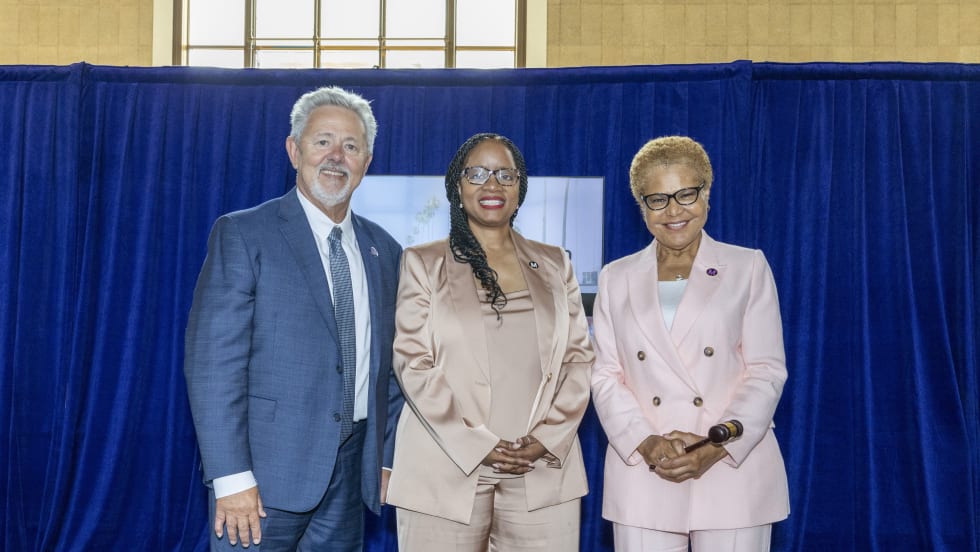
LA Metro Marks Banner Year, Sets Ambitious Goals for New Fiscal Year
Incoming LA Metro Board Chair and Los Angeles Mayor Karen Bass joined outgoing Board Chair Fernando Dutra and LA Metro CEO Stephanie Wiggins to review accomplishments from fiscal year 2026, which included the opening of new rail extensions, advancement of major transit projects, expanded safety programs, and new rider amenities.
Read More →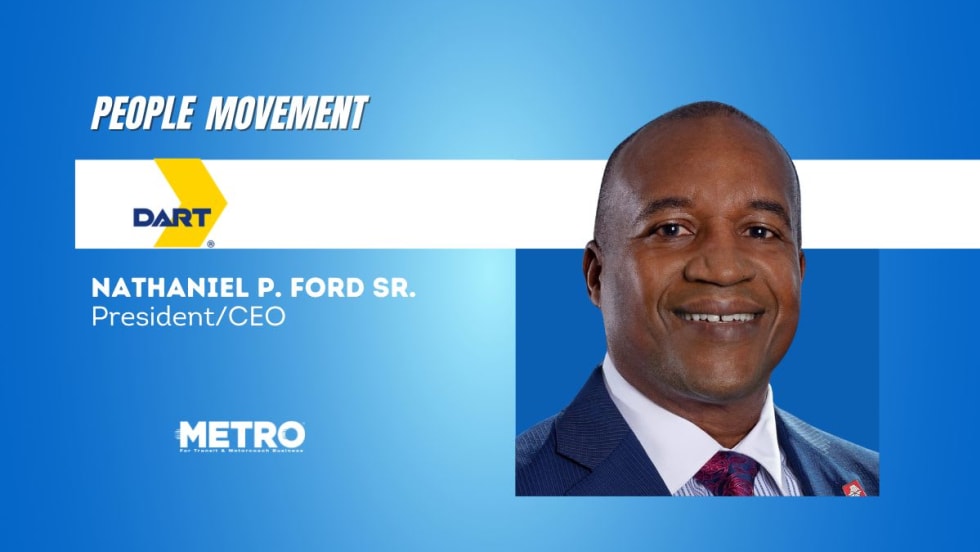
DART Taps Nathaniel P. Ford Sr. as Next President/CEO
Since 2012, Ford has served as the CEO of the Jacksonville Transportation Authority
Read More →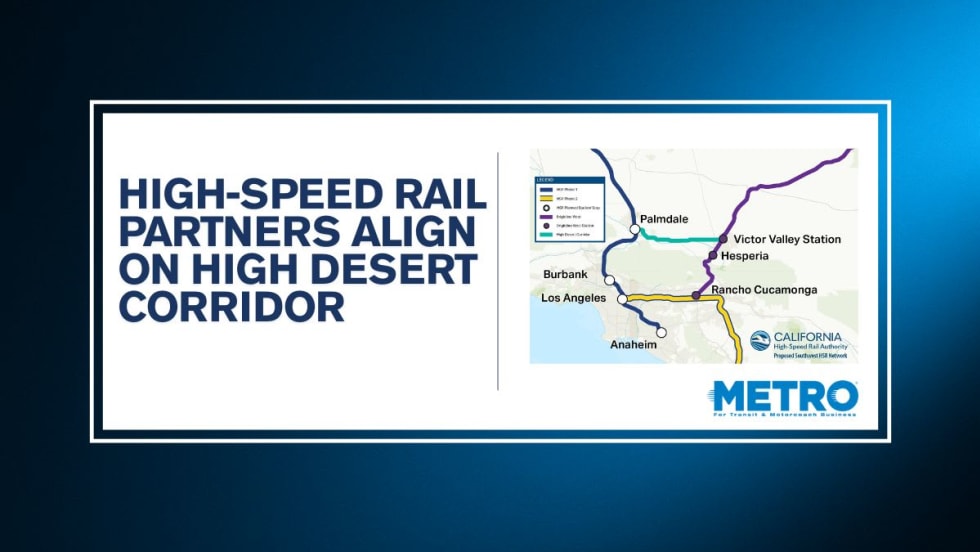
California High-Speed Rail Authority Signs MOU to Advance High Desert Corridor
The agreement deepens collaboration between the California High-Speed Rail Authority and the High Desert Corridor Joint Powers Agency, supporting design integration, cost savings, and faster delivery of a key Southern California rail link.
Read More →
Building the Next Generation of Transit Technology
In this edition of METROspectives, Luminator CEO Magnus Friberg discusses the company's transformation, the growing role of AI and software, and what's next for transit technology.
Read More →
How Data, Strategy, and Community Engagement Are Reshaping Transit
In this edition of METROspectives, strada360 CEO Steve Lassey discusses how transit agencies can better align planning with operations, leverage data to improve decision-making, and build public trust as they prepare for the future of mobility.
Read More →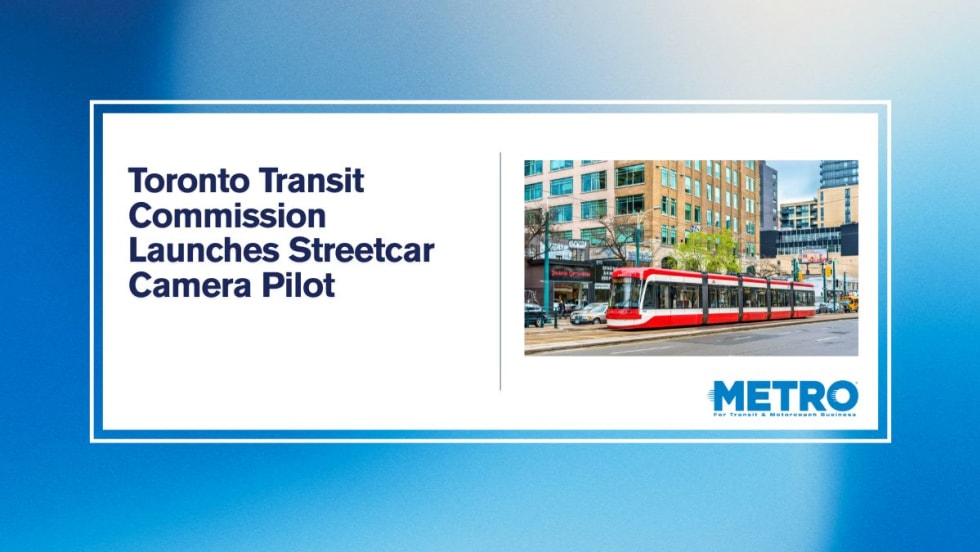
TTC Launches Camera Pilot to Curb Illegal Passing of Streetcars
During the pilot, the cameras will measure how often illegal streetcar passing occurs and test the technology's reliability for future automated enforcement.
Read More →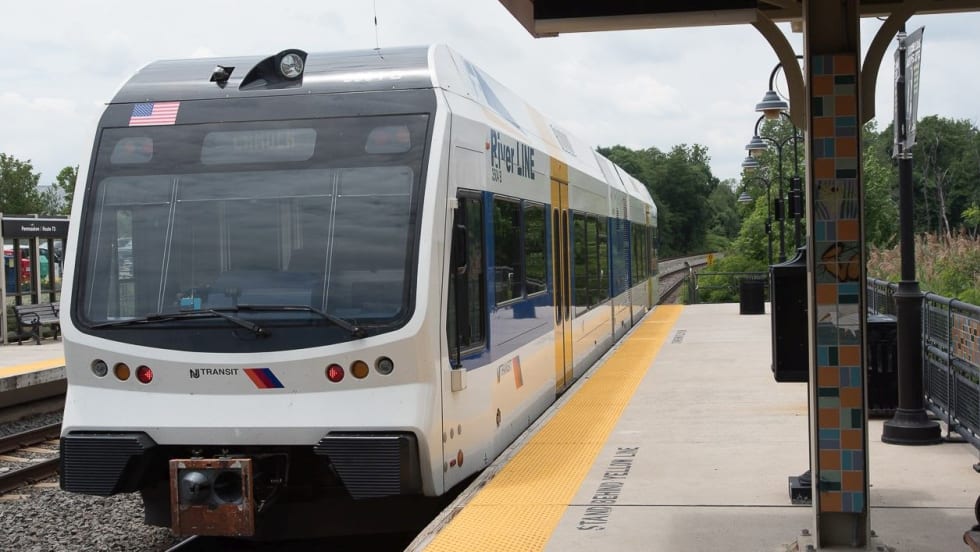
NJ TRANSIT Secures Capital Funding, Adopts FY2027 Budget
The budgets continue investments in infrastructure and equipment to maintain the system in a state of good repair and enhance the overall customer experience.
Read More →
Biz Briefs: Masabi Teams with St. Louis Metro and More
In METRO's latest installment, we take a look at recent news from Transdev, Hitachi, and more partnerships making headlines across the transportation sector.
Read More →