



Wireless Power Systems Enhance Global Tram Projects
Alstom's catenary-free technology offers safety for pedestrians and road users as power delivery only occurs once the conducting segment of the track is covered by the tram. Its design also allows for the preservation of urban environments and unique historic heritage of communities where it is implemented.

[IMAGE]alstom.jpg[/IMAGE]While public transportation systems have become a part of the urban landscape, certain technologies have made it possible for them to blend in more easily. With its APS (Alimentation Par le Sol) technology, Alstom Transport is able to achieve a more seamless integration in the cities its transport systems are implemented. “The APS is a system used by Alstom to power trams without overhead catenaries, allowing the tram to operate wire-free over journeys of any distance and, hence, blend into the urban environment,” says Jean-Paul Caron, Alstom’s APS technical expert.
The French city of Bordeaux (Communauté Urbaine de Bordeaux) was the first in the world to have opted for this completely new technology on nine miles of its 27-mile-long tram network. It has been operating since the end of 2003. The system transports around 200,000 passengers on its three tram lines every day, with APS technology availability rate on the three lines at more than 99 percent.
“At its inception, with the Bordeaux project, APS has been a true technological leap forward compared to traditional systems,” Caron says. “It required a period of development, especially since it was a complex project because of the simultaneous introduction of three lines.”
Operation, advantages
The system works by supplying power to the tram through a third rail embedded in the tracks. This third rail is made up of 26-foot-long conducting segments, which can be powered and are separated by 9.48-foot insulating joints. Power is supplied to the conducting segments by underground boxes every 72 feet. The electricity transmitted through this third rail is picked up by two friction contactors located in the mid-section of the tram. The delivery of power to the conducting segments is triggered by coded radio dialogue between the tram and the ground, and only occurs once the conducting segment has been covered by the tram, ensuring total safety for pedestrians.
According to Caron, the ground supply electricity (APS) was created to meet three challenges: preserving the historic town centers to avoid the visual pollution, reduce the width of the tracks and optimize security. The system allows for tram infrastructure to be implemented where it was impossible with classic trams. Performance levels of this power system are equal to those of a conventional tram in terms of comfort and speed, he says.
Other advantages to using third-rail-power technology include its compatibility with all types of road surfaces and its allowance for easy extension of rail system lines.
Middle East project
In addition to Bordeaux, the French cities of Angers, Reims and Orléans subsequently elected to implement APS technology for their rail projects in 2006, followed by Dubai (part of the United Arab Emirates) in 2008. Dubai is the first city in the Middle East to install a tram system, Caron says. It is also the first city to choose the APS technology to equip its entire network (nine miles, 25 tram vehicles).
In April 2008, the ABS consortium of Alstom and Besix signed a contract with Dubai’s Road Transport Authority (RTA) for the execution of Phase 1 of the Al Sufouh Transit System Project, with an option for Phase 2. Phase 1 of the project is worth more than $740 million, with Alstom’s share amounting to nearly $404 million.
The project, which should go into commercial service in 2011, will initially include the provision of 11 trams and the construction of a 6-mile line with 13 stations. Phase 2 would involve another 14 trams as well as an additional 3 miles of track and six stations. Al Sufouh tram stops will be fitted with specially designed automatic platform doors to enable street-level air-conditioning for maximum passenger comfort, according to Caron. Taxi stations and park-and-ride facilities will be included in key Metro stations. Alstom will provide Citadis 402 type tramways equipped with the catenary-free APS technology, as well as the signalling and ticketing system. Each train, which measures 144 feet in length, has a loading capacity of 300 passengers.
The project serves a residential and commercial area along the track of the tram in Al Sufouh, Dubai Marina and Jumeirah Beach Residence. In recent years, these areas have experienced high-end urban development for residential, commercial and tourist purposes, according to RTA officials.
[PAGEBREAK]
Environmental challenges
Given the specific climatic conditions, the development of APS in Dubai represents a real challenge, Caron says. In the summer, the temperatures easily escalate beyond 100 degrees Fahrenheit, exposing track to extreme conditions. Because of this, the ground installation had to be improved.
“The temperature can reach 50 degrees Celsius (122 degrees Fahrenheit). The presence of saline mist and humid heat are particularly demanding on the hardware, especially on the ground. That’s why all APS equipment is subject to a ‘tropicalization’ thrust to maintain reliability in these climatic conditions,” Caron says.
Another environmental challenge presented by the Dubai project includes the presence of sand on the tracks. Because of this, trams will be equipped with brushes designed for sand removal, Caron says. “We also improved the electromagnetic emissions of the vehicles for the Dubai locale, which are enforced in the region.”
Looking at the opposite end of the spectrum, when APS technology is implemented in regions subject to extremely cold weather, which would present snow or icy track conditions, modifications must be made as well. For short-term weather issues, a chemical solution, like those used to defreeze planes, can be used. “If winters are long, like four months, such as in Montréal, we will be obliged to heat the track to melt the ice,” Caron says.
More Rail
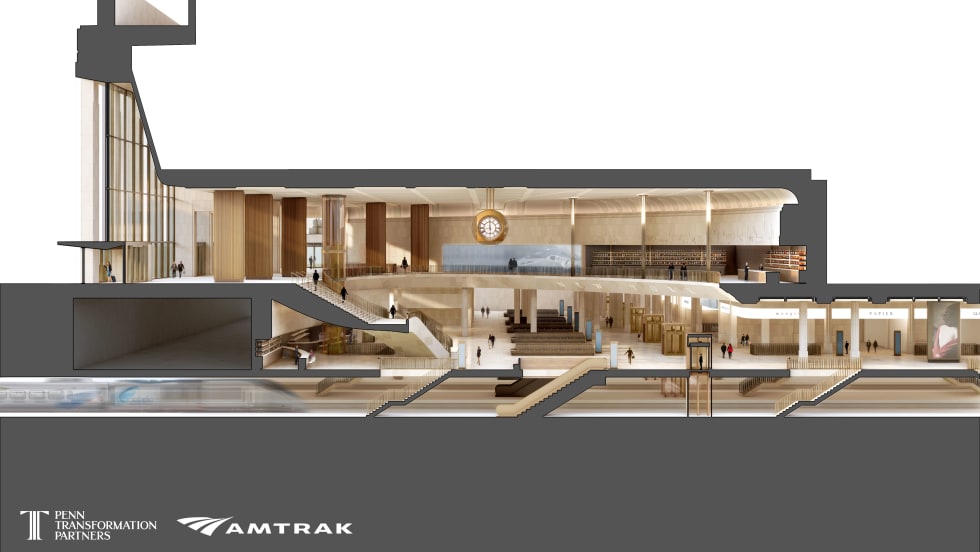
Penn Station Transformation Advances with Design Unveiling
The historic redesign will transform the busiest transit hub in the Western Hemisphere from the tracks to the street level, creating a more efficient, cleaner, and functional experience for more than 600,000 daily commuters and millions of visitors.
Read More →
Second Avenue Subway Phase 2 Advances into Major Construction Stage
New York Governor Kathy Hochul joined leadership from the MTA, elected officials, and Harlem community leaders to break ground on the major construction stage of the transformative Second Avenue Subway Phase 2 project.
Read More →
The Invisible Infrastructure of Passenger Flow
What a seat reservation system on Austria’s Railjet trains reveals about the future of rider experience, and why U.S. agencies should pay attention.
Read More →
Caltrain Board Approves FY27 Budget, Endorses Efficiency Measures
The move ensures Caltrain service will continue operating as usual in the near term, but long-term financial challenges remain for the rail agency absent a new revenue source.
Read More →
Alstom Acquires Delaware Site to Support Amtrak NextGen Acela Fleet
The company is investing more than $55 million to acquire and improve the property and will employ approximately 100 people at this site once it is operational.
Read More →
When Routine Fails: How Public Transit Must Adapt for the World Cup
The 2026 FIFA World Cup will test transit agencies’ ability to manage unpredictable travel patterns, making real-time data and operational flexibility critical to moving millions of visitors efficiently.
Read More →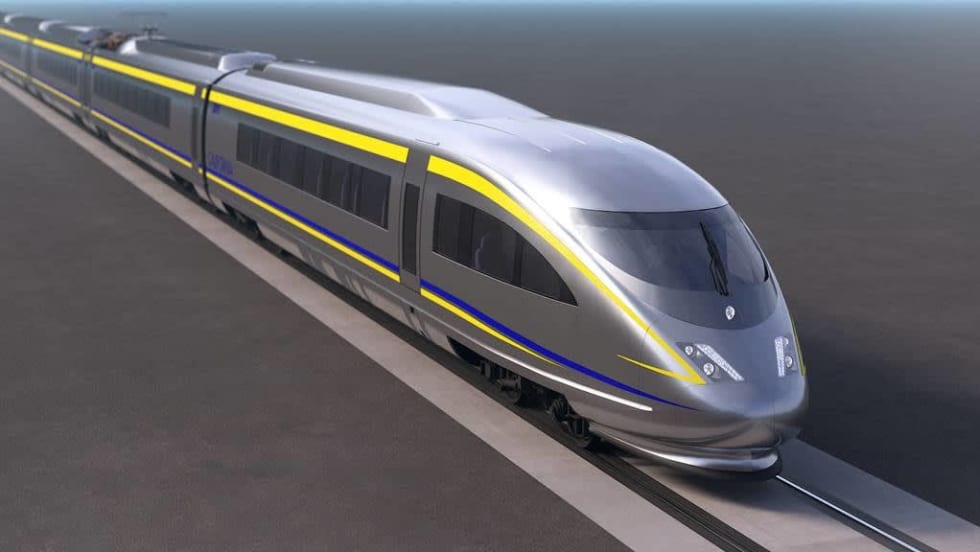
California Selects Team for Nation’s First True High-Speed Rail Track and Systems Contract
The board action follows completion of track installation at the 150-acre southern railhead in Kern County, which will serve as the staging and distribution hub for high-speed track and systems installation.
Read More →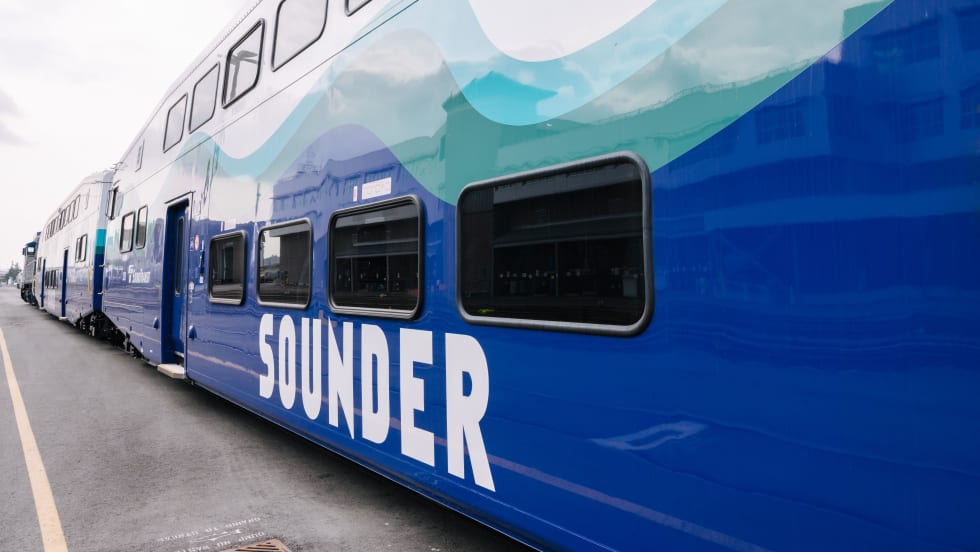
Seattle's Sound Transit Launches New Sounder Railcars into Service
Alstom manufactured all the cars under a $46.5 million contract and came into service in anticipation of summer crowds for soccer and baseball.
Read More →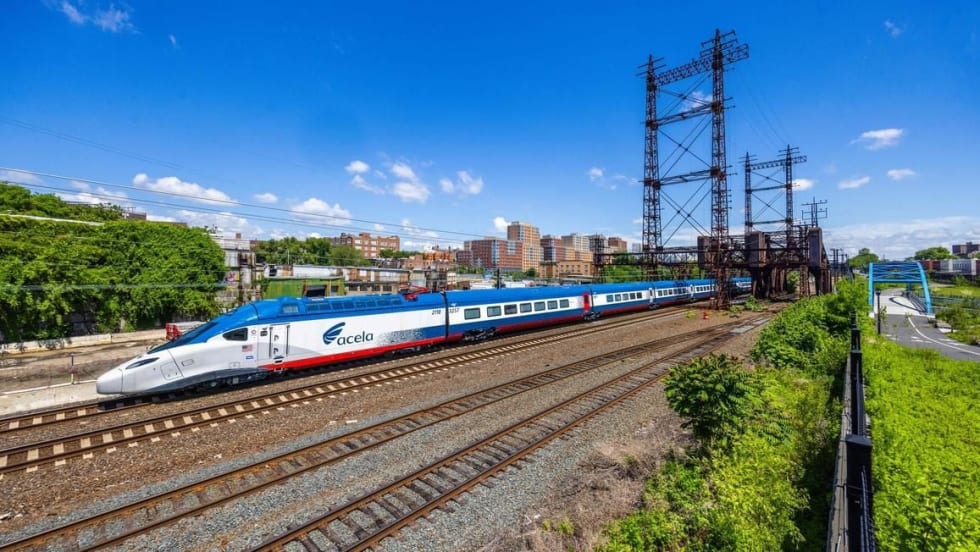
Alstom Partners With Universities to Build Rail Talent Pipeline
The partnerships include a new engineering scholarship fund at Alfred State College in Western New York and collaborations with transportation centers at the University of Pennsylvania and New York University.
Read More →
Chicago's NITA Act Moves Into Next Phase as Service Improvements Begin
Rider-focused improvements will begin rolling out across the system immediately as CTA, Metra, and Pace increase service this summer in the six-county region.
Read More →