



South Shore Line Extension Debuts, Boosting Rail Access in Northwest Indiana
The $945 million project connects four new stations and expands regional mobility.

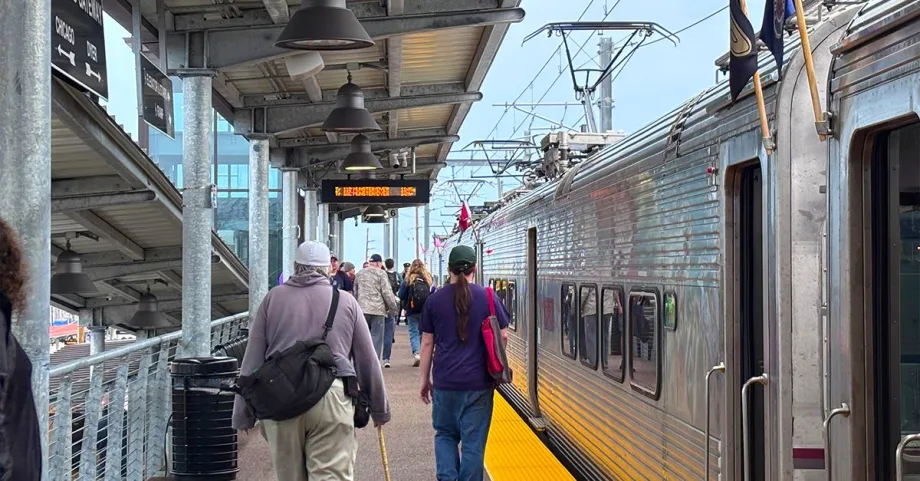
HDR supported the Northern Indiana Commuter Transportation District on this project from its beginning in 2016, providing program management, environmental services, engineering, and grant support.
HDR
- The South Shore Line Extension project, valued at $945 million, has opened to the public.
- This extension introduces four new stations, enhancing rail connectivity in Northwest Indiana.
- The project aims to improve regional mobility and access to rail transportation.
*Summarized by AI
Indiana’s largest transit infrastructure project, the Monon Corridor Commuter Rail Extension, officially opened for service, increasing access to efficient train service between Chicago and several Northwest Indiana communities.
The extension adds eight miles of track to the South Shore Line, connecting the existing Lakeshore Corridor to four new stations in Hammond, Munster, and Dyer. The $945 million design-build project also includes expanded parking and a new maintenance and storage facility to support the additional service.
The Road to Completion
HDR supported the Northern Indiana Commuter Transportation District (NICTD) on this project from its beginning in 2016, providing program management, environmental services, engineering, and grant support. This work contributed to NICTD securing a $355 million Federal Transit Administration Capital Investment Grant and completing a nationally recognized Final Environmental Impact Statement.
The firm completed preliminary engineering design ahead of the design-build team selection, after which HDR transitioned to support NICTD with quality assurance, risk management, and project controls.
“The opening of the Monon Corridor Project reflects years of coordinated planning and collaboration,” HDR Global Transit Director Matt Tucker said. “We’re proud to have worked alongside NICTD from the beginning to deliver a transformative project that expands access to regional mobility.”
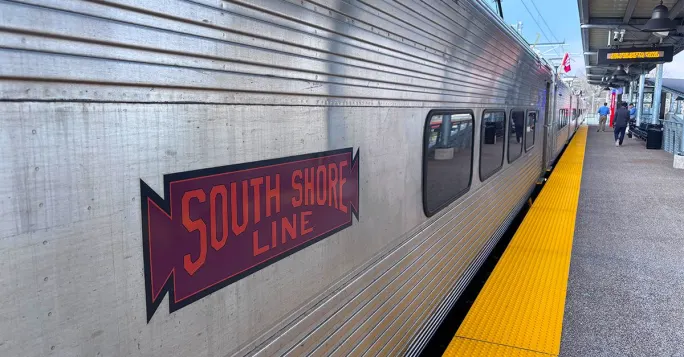
The new stations include high‑level platforms for improved accessibility and more efficient boarding.
HDR
The HDR Partnership
HDR assisted NICTD with navigating several complex design and environmental challenges, including developing a two‑tiered stormwater retention system to protect the Grand Calumet River and an elevated track alignment designed to avoid impacts to federally protected recreation areas.
The new stations include high‑level platforms for improved accessibility and more efficient boarding.
“The Monon Corridor is a major investment for mobility and a huge win for people in northwest Indiana,” NICTD President Mike Noland said. “It improves access to jobs, healthcare, and special events, reduces congestion, and strengthens the communities we serve. We were proud to welcome riders to this new extension.”
Quick Answers
The South Shore Line Extension is a $945 million rail project that adds four new stations and enhances regional mobility in Northwest Indiana.
*Summarized by AI
More Rail
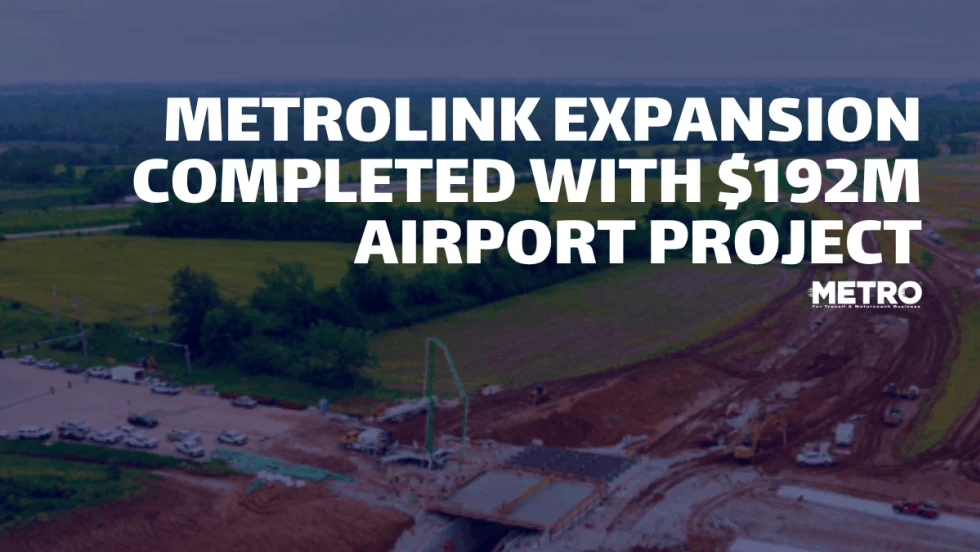
First Full MetroLink Rail Expansion Completed in 20 Years with $192M Airport Project
The project links two St. Louis-area airports by light rail while adding roadway and bike trail connections to improve regional access and mobility.
Read More →
Utilimarc Launches SmartReplace to Optimize Fleet Replacement Decisions
AI-powered SmartReplace helps fleets prioritize vehicle replacements, model budget scenarios, and build more defensible long-term strategies.
Read More →
Scenes from APTA TRANSform & EXPO 2026
Transit leaders, manufacturers, and industry professionals gathered in Chicago to explore new technologies, share ideas, and discuss the future of public transportation.
Read More →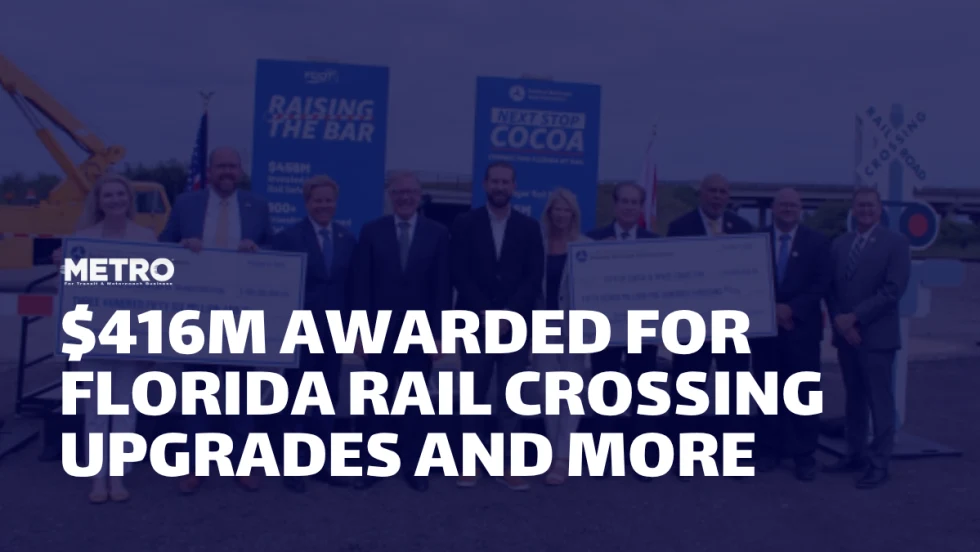
USDOT Awards $416 Million for Florida Rail Crossing Safety Upgrades, New Brightline Station
The projects aim to reduce risks for motorists and pedestrians at rail crossings while expanding passenger rail access along Florida’s Space Coast.
Read More →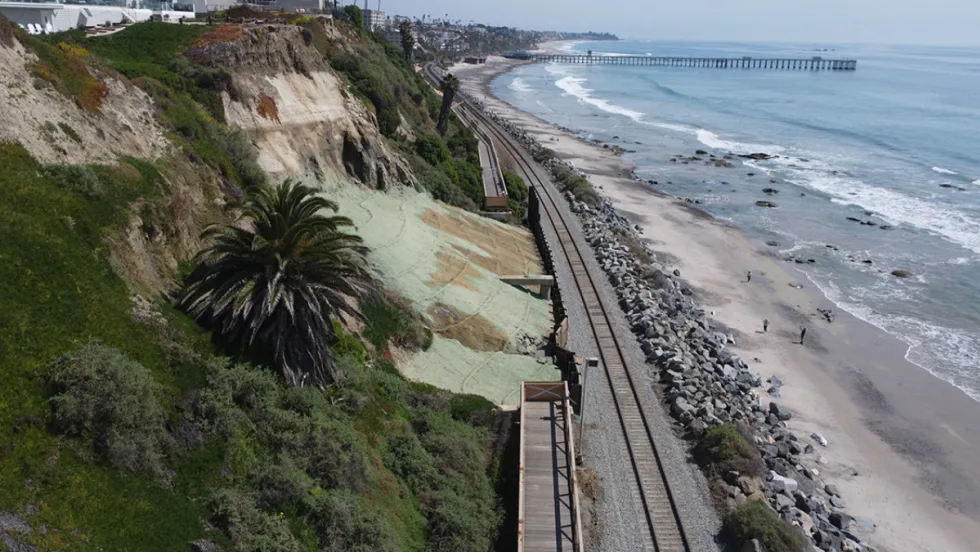
OCTA Declares Emergency to Protect Rail Corridor From Coastal Erosion
The California agency is accelerating shoreline protection and plans to place approximately 690,000 cubic yards of sand along the San Clemente coast to protect a key passenger and freight rail link.
Read More →
More Than a Summer Job: Building the Next Generation of Transit Talent
The Delaware River Port Authority and PATCO have transformed their internship program into a hands-on professional development experience that introduces students to the breadth of transportation careers — and creates a pipeline for future employees.
Read More →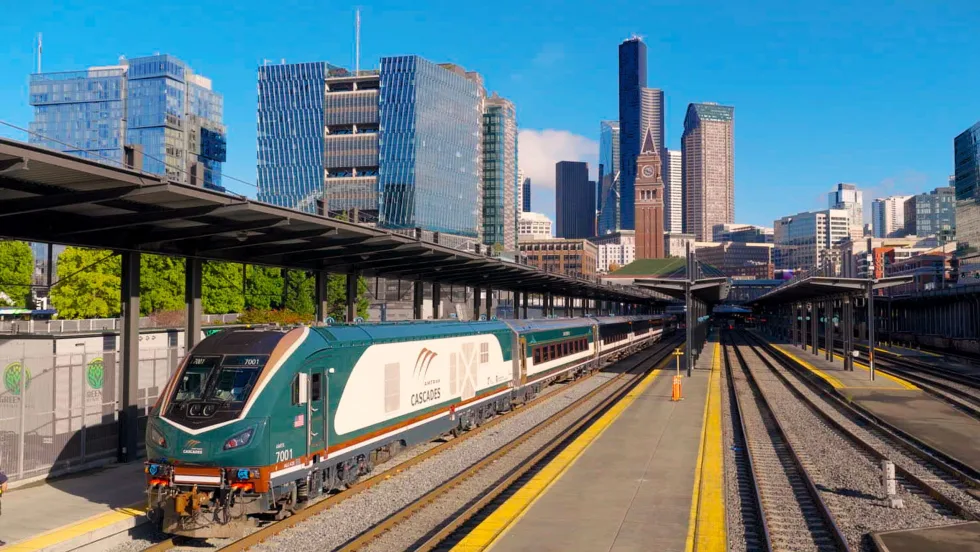
Airo Trains Make Their Amtrak Cascades Debut in the Pacific Northwest
Effective immediately, two cutting-edge Airo trainsets will join the Amtrak Cascades route, operating four daily trips between Vancouver, B.C., Seattle, Portland, and Eugene, Oregon, marking the first introduction of Airo trains into passenger service anywhere in the country.
Read More →
Florida's Brightline Announces Financial Restructuring
Brightline Florida says train operations will continue as normal as certain parent entities enter Chapter 11 and financial stakeholders provide $490 million in new long-term capital.
Read More →
ENC Lands MATA Contract and More in Biz Briefs
In this edition of Biz Briefs, we spotlight the latest developments shaping the future of mobility.
Read More →
Strada360’s Steve Lassey on Turning Transit Data Into Better Decisions
From breaking down data silos to preparing for AI, Strada360 CEO Steve Lassey discusses how transit agencies can use technology to improve operations, customer information, and long-term decision-making.
Read More →