



High-Speed Rail May Boost Brain Health, New Study Finds
Research ties rail access to lower depression, better cognition and improved air quality.

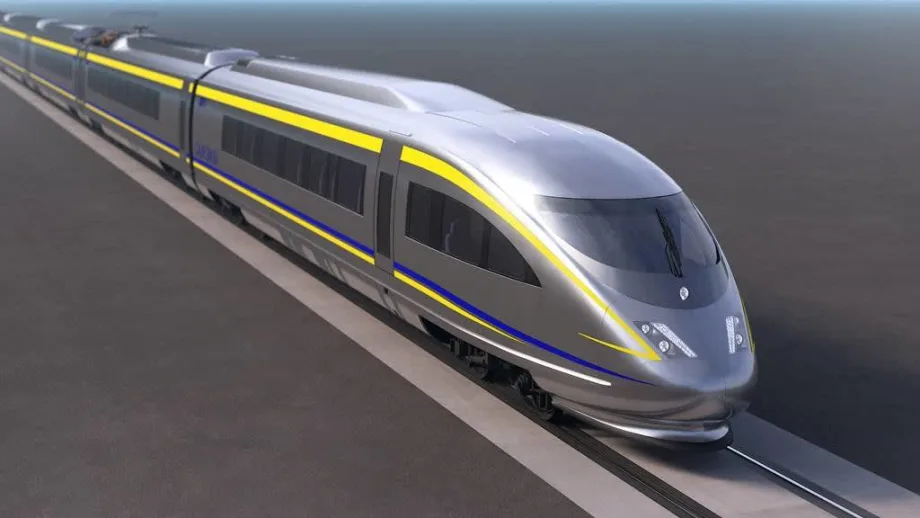
The group’s statistical analysis indicated that the specific high-speed rail benefits of lowering particulate pollution, improving incomes, and reducing isolation and encouraging intercity travel were key mechanisms in enhancing cognitive health.
California High Speed Rail Authority
- Access to high-speed rail is linked to lower rates of depression.
- Improved cognition is associated with regions that have high-speed rail access.
- High-speed rail contributes to better air quality, benefiting brain health.
*Summarized by AI
A new study has found that access to high-speed rail significantly improves the cognitive abilities and mental health of middle-aged and older adults, adding to the widely accepted economic and environmental benefits of high-speed rail.
Researchers tracked more than 11,000 middle-aged and older Chinese adults from 2011 to 2018, as the nation rapidly expanded its bullet train system. Today, China has over 30,000 miles of high-speed rail track, the largest network in the world.
“High-speed rail is more than just a faster way to travel; it is a tool for public health,” study Co-Author Xu Zong of the University of Helsinki told the science news website PsyPost. “ We found that HSR access helps improve cognitive health by reducing depression. By making it easier to travel and visit friends or family, HSR may reduce social isolation. Our findings suggest that when governments plan large-scale infrastructure, they should consider the ‘health dividends’ — such as improved mental well-being — alongside economic efficiency.”
Battling A Key Issue
Preventing cognitive decline among aging populations in the U.S. and worldwide has become a major public health challenge.
The study, which was published in the journal Social Science & Medicine and cited by the National Institutes of Health, found three specific pathways from high-speed rail to better brain health:
- Better air quality from taking cars off the road reduces inflammation in the brain and nervous system, supporting healthier cognitive aging.
- Increased individual earnings resulting from improved mobility and job creation provide older adults with financial resources for healthier living, including access to health care.
- Expanded travel options reduce social isolation and depressive symptoms and keep the mind active.
“We already know high-speed rail is a game changer in terms of the benefits it creates for jobs, housing, and incomes, as well as reducing air pollution,” said Andy Kunz, president and CEO of U.S. High Speed Rail. “Now we can add the compelling evidence that high-speed rail is good for your health!”
About the Study
The researchers analyzed national health survey data from Chinese adults aged 45 and older and compared results on standard cognitive tests as high-speed rail operations were initiated in their cities.
The group’s statistical analysis indicated that the specific high-speed rail benefits of lowering particulate pollution, improving incomes, and reducing isolation and encouraging intercity travel were key mechanisms in enhancing cognitive health.
Quick Answers
High-speed rail access is associated with lower depression, better cognition, and improved air quality, contributing positively to brain health.
*Summarized by AI
More Rail
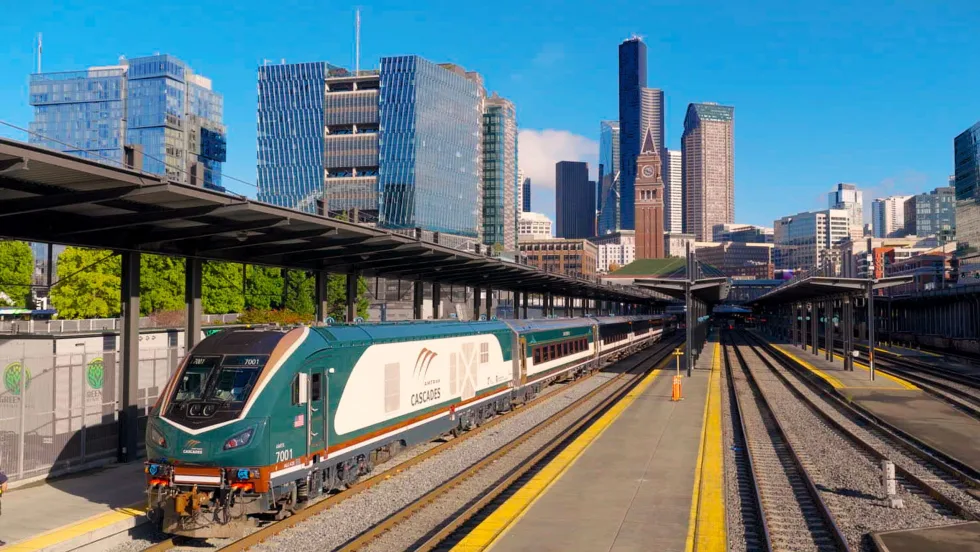
Airo Trains Make Their Amtrak Cascades Debut in the Pacific Northwest
Effective immediately, two cutting-edge Airo trainsets will join the Amtrak Cascades route, operating four daily trips between Vancouver, B.C., Seattle, Portland, and Eugene, Oregon, marking the first introduction of Airo trains into passenger service anywhere in the country.
Read More →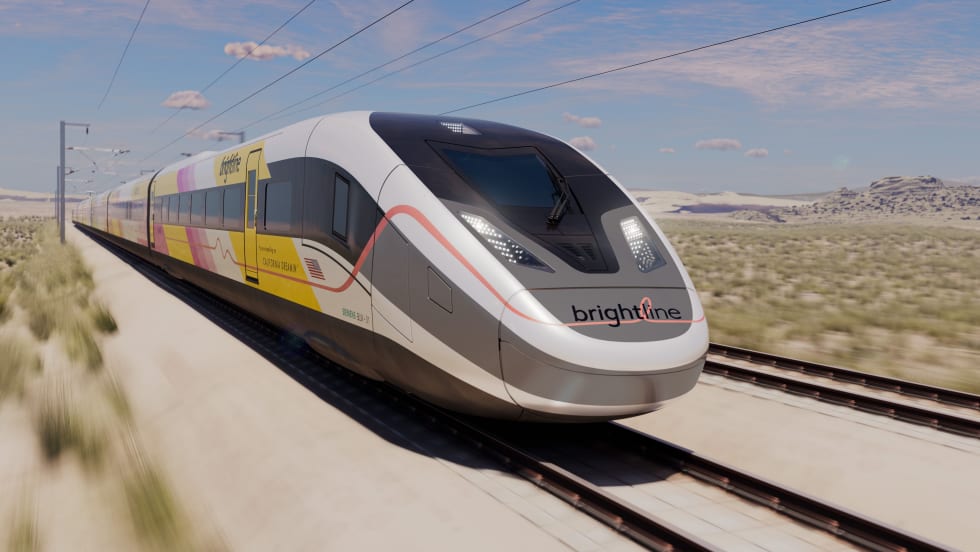
Florida's Brightline Announces Financial Restructuring
Brightline Florida says train operations will continue as normal as certain parent entities enter Chapter 11 and financial stakeholders provide $490 million in new long-term capital.
Read More →
ENC Lands MATA Contract and More in Biz Briefs
In this edition of Biz Briefs, we spotlight the latest developments shaping the future of mobility.
Read More →
Strada360’s Steve Lassey on Turning Transit Data Into Better Decisions
From breaking down data silos to preparing for AI, Strada360 CEO Steve Lassey discusses how transit agencies can use technology to improve operations, customer information, and long-term decision-making.
Read More →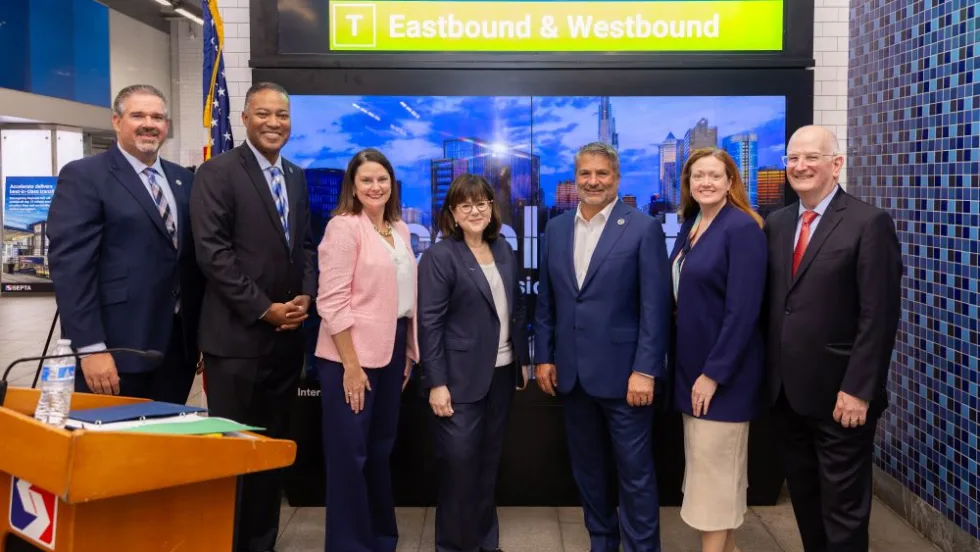
SEPTA Details Accelerate Vision for Transit System
The plan outlines investments in trolley modernization, new Metro and Regional Rail vehicles, accessible stations, and more frequent bus and rail service.
Read More →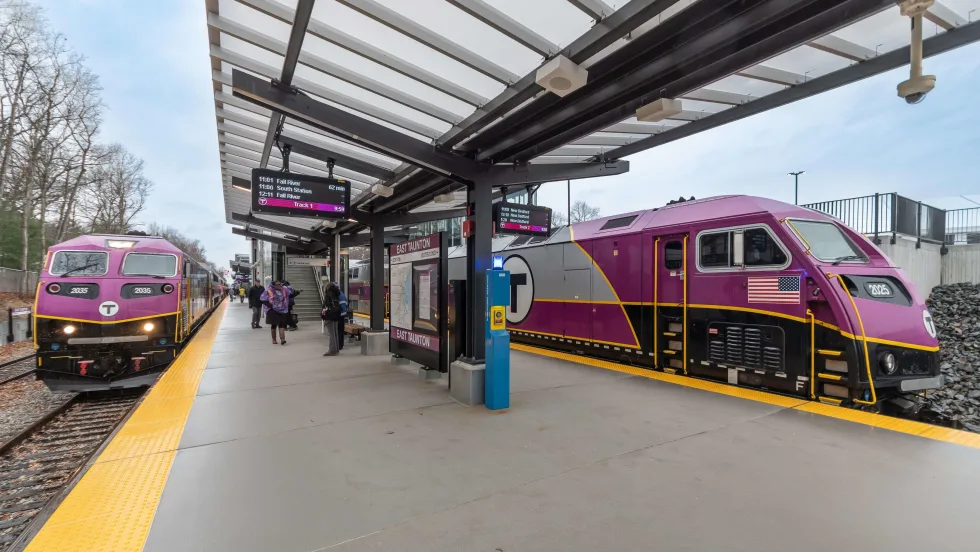
FTA Ends Direct Oversight of MBTA Safety Actions
The federal agency closed its remaining special directive to the Massachusetts Department of Public Utilities following a safety review that began in 2022.
Read More →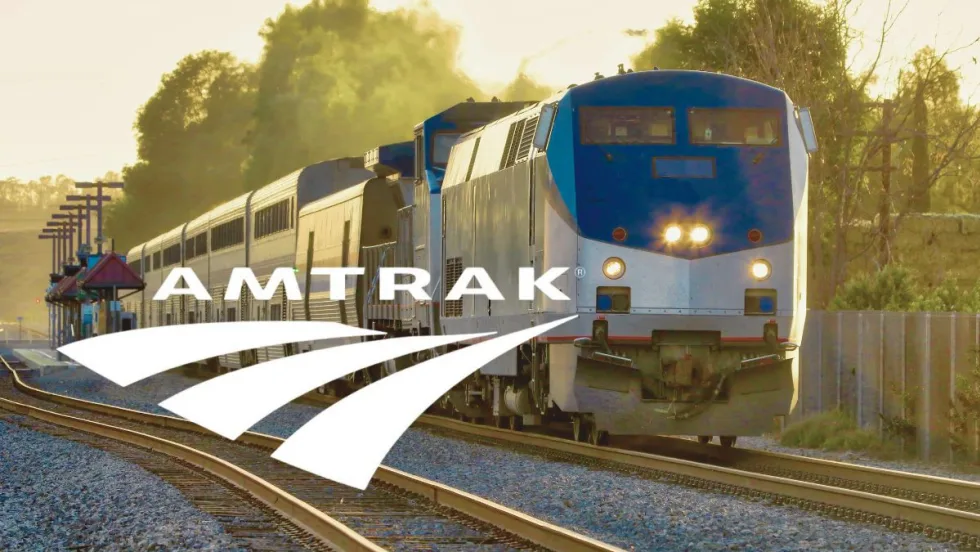
Amtrak, CN Reach Agreements to Strengthen Passenger Rail Service, Safety
The agreement resolves a more than decade-long proceeding before the Surface Transportation Board concerning the terms and conditions for Amtrak services, such as the City of New Orleans, Illini/Saluki, and Wolverine.
Read More →
New York MTA Advances Final Contract for Second Avenue Subway Expansion
Contract Four is the largest in the Second Avenue Subway Phase 2 project and includes construction of station infrastructure, tracks, and signals for the subway expansion, MTA officials said. Work on Contract Four will begin in 2027.
Read More →
San Diego MTS Breaks Monthly Trolley Ridership Record
Agency officials said July’s ridership indicates MTS’s continued recovery from the pandemic.
Read More →
Report Examines NJ TRANSIT Reliability, Funding Challenges
The Garden State Initiative analysis examines the roles of Amtrak infrastructure, fleet management, and agency operations while recommending a more performance-based approach to improving reliability.
Read More →