




RELATED: LEED green building certification for new transit buildings
California's GCTD opens new operations, maintenance facility
The new site is positioned well to handle GCTD’s growing fleet expected to climb from 56 buses to approximately 125 over the next 30 to 40 years.
July 18, 2019
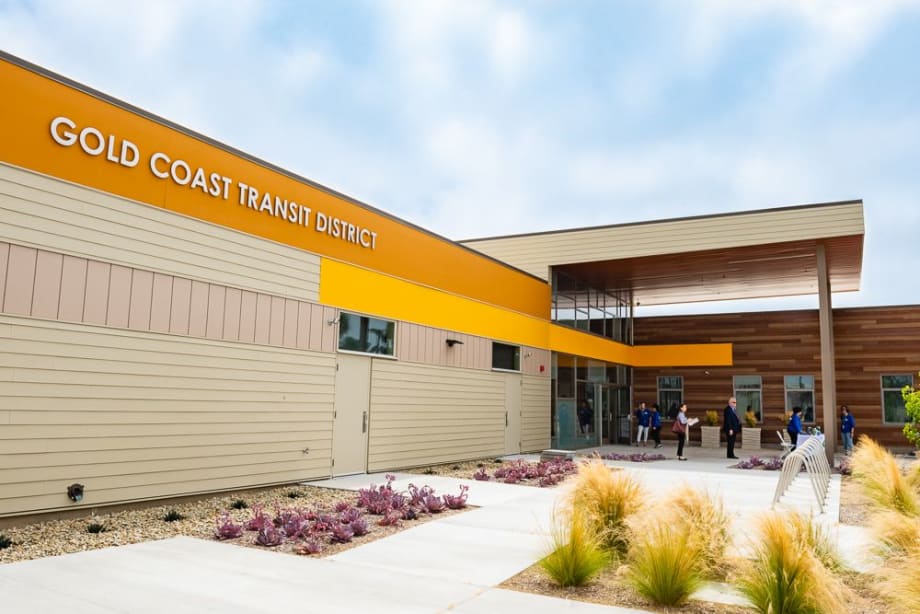
The facility includes an eight-bay maintenance and repair building, a CNG fueling station, bus wash, and an operations and administration building.
GCTD
2 min to read
The facility includes an eight-bay maintenance and repair building, a CNG fueling station, bus wash, and an operations and administration building.
GCTD
Ventura County, Calif.’s Gold Coast Transit District (GCTD) opened its new Operations and Maintenance facility with a ribbon cutting ceremony and tours. The new facility is located in Oxnard.
Design management on the new 15-acre facility was provided by HDR Inc.; architectural design by Stantec; and the general contractor was ICON WEST Inc., with active support from furniture supplier The Sheridan Group and bus wash system manufacturer NS Corporation.
The facility includes an eight-bay maintenance and repair building, a compressed natural gas (CNG) fuel station, bus wash, and an operations and administration building. It replaces an outdated and deteriorating bus garage and office space located on a three-acre site originally built in the 1970s for a much smaller fleet. The new site is positioned well to handle GCTD’s growing fleet expected to climb from 56 buses to approximately 125 over the next 30 to 40 years.
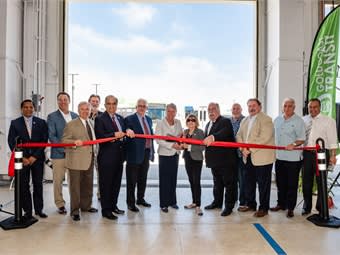
Transit, federal, state, and local officials gathered to cut the ribbon on GCTD's new facility.
GCTD
Unique elements of the project include environmentally sensitive construction such as low-flow water fixtures, day-lighting for office areas, and the minimization of lifecycle costs and energy usage throughout the site for the greatest potential of long-term operating cost savings. Interestingly, the administration building is positioned on the property in a way that takes maximum advantage of the sun and wind, helping to decrease lighting, heating, and air conditioning costs.
Also noteworthy, is the emphasis on employee education, health and wellness, from the dedicated Wellness and Training Centers, to a Sleep/Relaxation Room, three fully equipped break rooms, and an outdoor courtyard that includes an employee garden, bocce ball, and BBQ.
More Management

Public Transit Conference Returning to GFX in 2027, Call for Papers Now Open
The Call for Papers is now open, allowing transit agency professionals and industry experts to help shape the PTC educational program by submitting session ideas for consideration.
Read More →
Indian River Transit’s Community-Focused Approach Earns National Recognition
Named APTA’s 2026 Outstanding Public Transportation System in its size category, Florida’s Indian River County transit system continues to grow ridership through fare-free service and a focus on evolving community needs.
Read More →
ENC Lands MATA Contract and More in Biz Briefs
In this edition of Biz Briefs, we spotlight the latest developments shaping the future of mobility.
Read More →

From Surviving to Thriving: Building Stronger Transportation Organizations
Bus Business Consultants founder Brian Dickson shares lessons on leadership, organizational health, and creating options for long-term success in a changing transportation industry.
Read More →
Everett Transit, Community Transit Outline Consolidation Agreement
The proposed agreement calls for a 50% increase in bus service in Everett, a new microtransit zone, continued paratransit service, and the transfer of Everett Transit operations to Community Transit.
Read More →
Strada360’s Steve Lassey on Turning Transit Data Into Better Decisions
From breaking down data silos to preparing for AI, Strada360 CEO Steve Lassey discusses how transit agencies can use technology to improve operations, customer information, and long-term decision-making.
Read More →
People Movement: Phil Washington Joins HNTB, Denver RTD Launches CEO Search, and More
In this edition, we also spotlight recent personnel moves at STV, the Eno Center for Transportation, and more, highlighting the people taking on new roles across the transportation industry.
Read More →
SEPTA Details Accelerate Vision for Transit System
The plan outlines investments in trolley modernization, new Metro and Regional Rail vehicles, accessible stations, and more frequent bus and rail service.
Read More →
FTA Ends Direct Oversight of MBTA Safety Actions
The federal agency closed its remaining special directive to the Massachusetts Department of Public Utilities following a safety review that began in 2022.
Read More →
Report: Transit Bus Manufacturing Supports 34,100 Jobs, $5.1B in GDP
The “Buses Mean Business” report examines the transit bus manufacturing industry’s economic footprint, supply chain, and rising demand for vehicle replacements.
Read More →