



Anaheim Transportation Network to add more BYD electric buses
The order will include 30-, 40-, and 60-foot buses, which will be used by Anaheim Resort Transit.

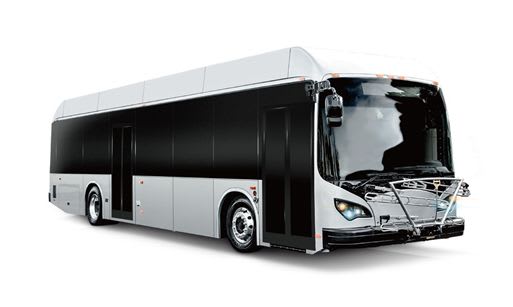
The variety of BYD buses will allow ATN to efficiently service a range of routes in the Anaheim Resort™.
BYD
The variety of BYD buses will allow ATN to efficiently service a range of routes in the Anaheim Resort™.
BYD
The Anaheim Transportation Network awarded an order for 40 zero-emission buses to BYD.
The ATN fleet order will increase the number of BYD electric buses the agency can deploy to serve one of the nation’s busiest tourism and employment regions. The buses range in size from the 30-foot BYD K7M to the articulated 60-foot K11M. One-half of the order will be the popular 40-foot BYD K9M. The variety of BYD buses will allow ATN to efficiently service a range of routes in the Anaheim Resort™.
“We’ve been operating four of BYD’s 40-foot K9Ms on our routes over the past two years, and based on their performance, we are confident in BYD’s quality product and their support of our efforts to electrify our fleet,” ATN Executive Director Diana Kotler said. “These new buses will provide ATN a 57 percent zero-emission fleet by 2020.”
A private, non-profit transportation management association, ATN was created to develop and operate the Anaheim Resort Transit (ART) for the Anaheim Resort™ District system and surrounding areas in the city with clean fuel shuttles.
Each year more than 9.5 million residents, visitors, and employees use ART to connect with local destinations and the iconic ARTIC regional transportation center as part of the citywide #ElectrifyAnaheim program.
ATN was one of 28 California projects selected in 2018 to receive a grant from the Transit and Intercity Rail Capital Program (TIRCP), which provides awards from the Greenhouse Gas Reduction Fund to help finance transformative, reduction-of-emission capital improvements. In addition to TIRCP, ATN was also awarded funds for this significant project from the State of California HVIP vouchers, Anaheim Tourism Improvement District, and the City of Norwalk. The bus order will be placed through two existing statewide contracts in Washington and Georgia, which local governments and transit agencies can access to benefit from the leveraged purchasing power, convenience, and competitive pricing of these pre-established contracts — saving time and money.
More Bus

Scenes from APTA TRANSform & EXPO 2026
Transit leaders, manufacturers, and industry professionals gathered in Chicago to explore new technologies, share ideas, and discuss the future of public transportation.
Read More →
More Than a Summer Job: Building the Next Generation of Transit Talent
The Delaware River Port Authority and PATCO have transformed their internship program into a hands-on professional development experience that introduces students to the breadth of transportation careers — and creates a pipeline for future employees.
Read More →
LA Metro Board Awards 220 Battery-Electric Bus Contract to ENC
The contract, which is the largest base award of battery-electric buses by a U.S. transit agency, will be built in Southern California, sustaining good jobs as LA prepares to welcome the world in 2028
Read More →
Public Transit Conference Returning to GFX in 2027, Call for Papers Now Open
The Call for Papers is now open, allowing transit agency professionals and industry experts to help shape the PTC educational program by submitting session ideas for consideration.
Read More →
Indian River Transit’s Community-Focused Approach Earns National Recognition
Named APTA’s 2026 Outstanding Public Transportation System in its size category, Florida’s Indian River County transit system continues to grow ridership through fare-free service and a focus on evolving community needs.
Read More →
ENC Lands MATA Contract and More in Biz Briefs
In this edition of Biz Briefs, we spotlight the latest developments shaping the future of mobility.
Read More →
From Surviving to Thriving: Building Stronger Transportation Organizations
Bus Business Consultants founder Brian Dickson shares lessons on leadership, organizational health, and creating options for long-term success in a changing transportation industry.
Read More →
Everett Transit, Community Transit Outline Consolidation Agreement
The proposed agreement calls for a 50% increase in bus service in Everett, a new microtransit zone, continued paratransit service, and the transfer of Everett Transit operations to Community Transit.
Read More →
SEPTA Details Accelerate Vision for Transit System
The plan outlines investments in trolley modernization, new Metro and Regional Rail vehicles, accessible stations, and more frequent bus and rail service.
Read More →
Report: Transit Bus Manufacturing Supports 34,100 Jobs, $5.1B in GDP
The “Buses Mean Business” report examines the transit bus manufacturing industry’s economic footprint, supply chain, and rising demand for vehicle replacements.
Read More →