



NCTD receives conditional certification of PTC system
The move enables agency to enter into interoperability testing, meaning other carriers who operate on NCTD-owned rail can test their PTC system for integration with NCTD’s.

Based on a January 2012 final FRA rule, the Association of American Railroads estimates that PTC technology will be deployed on about 63,000 miles of U.S. freight rail lines.
NCTD

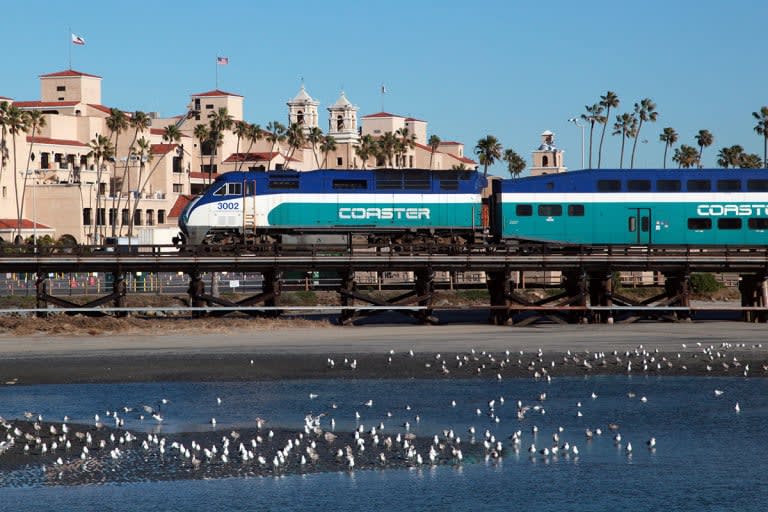
Oceanside, Calif.’s North County Transit District (NCTD) is one step closer to the full implementation of the federally-mandated Positive Train Control (PTC) safety system for its COASTER trains.
NCTD completed the federal requirements for Revenue Service Demonstration (RSD) — which was the final stage for demonstrating the system performs as intended — and began Extended RSD of PTC in December 2017. The conditions were met for entering into Extended RSD, which included 30 consecutive trips without a critical failure of the PTC system, and 75% of the COASTER engineers having operated a train in RSD. As of now, 100% of the COASTER engineers have been trained.
To complete Extended RSD and enter into Full Revenue Service Implementation of the PTC system, NCTD operated all trains under PTC, all engineers operated PTC in Extended RSD, and on Sept. 21, the Federal Railroad Administration (FRA) gave conditional approval to NCTD’s PTC Safety Plan and conditionally certified its PTC system — one of only 10 railroads in the nation to receive this conditional approval. The Safety Plan demonstrates to the FRA that NCTD’s PTC system meets all of the federal requirements and works as stated. It contains information on how NCTD will ensure the safety of the system with a variety of components, including a railroad training plan; procedures and test equipment; operations and maintenance manual; configuration and revision control measures; initial implementation procedures; and post implementation testing and monitoring procedures.
Conditional approval of the PTC Safety Plan now enables NCTD to enter into interoperability testing, which means that other carriers such as passenger, commuter, and freight trains who operate on NCTD-owned rail can test their PTC system for integration with NCTD’s PTC system. These tenant rail partners — Amtrak, BNSF, Metrolink, and Pacific Sun Railroad — must be able to seamlessly communicate and operate across all railroad systems.
“We at NCTD, along with Herzog staff, have worked diligently to integrate this system into our current equipment and we are looking forward to testing the system with our partner rail operators who utilize our track,” said Eric Roe, deputy COO, rail.
The Rail Safety Improvement Act of 2008 (RSIA) requires railroads to install PTC systems on tracks that carry passengers or toxic-by-inhalation materials. Based on a January 2012 final FRA rule, the Association of American Railroads estimates that PTC technology will be deployed on about 63,000 miles of U.S. freight rail lines. The RSIA mandates that PTC be put into service by Dec. 31, 2018. NCTD is on track to complete full implementation of PTC by this deadline.
More Security and Safety
FTA Launches 'Transit Moves America' Dashboard to Highlight Agency Safety and Performance
The online dashboard transforms National Transit Database information into a public-facing resource that allows users to compare transit agencies on key operational and safety metrics.
Read More →
LA Metro Marks Banner Year, Sets Ambitious Goals for New Fiscal Year
Incoming LA Metro Board Chair and Los Angeles Mayor Karen Bass joined outgoing Board Chair Fernando Dutra and LA Metro CEO Stephanie Wiggins to review accomplishments from fiscal year 2026, which included the opening of new rail extensions, advancement of major transit projects, expanded safety programs, and new rider amenities.
Read More →
Building the Next Generation of Transit Technology
In this edition of METROspectives, Luminator CEO Magnus Friberg discusses the company's transformation, the growing role of AI and software, and what's next for transit technology.
Read More →
TTC Launches Camera Pilot to Curb Illegal Passing of Streetcars
During the pilot, the cameras will measure how often illegal streetcar passing occurs and test the technology's reliability for future automated enforcement.
Read More →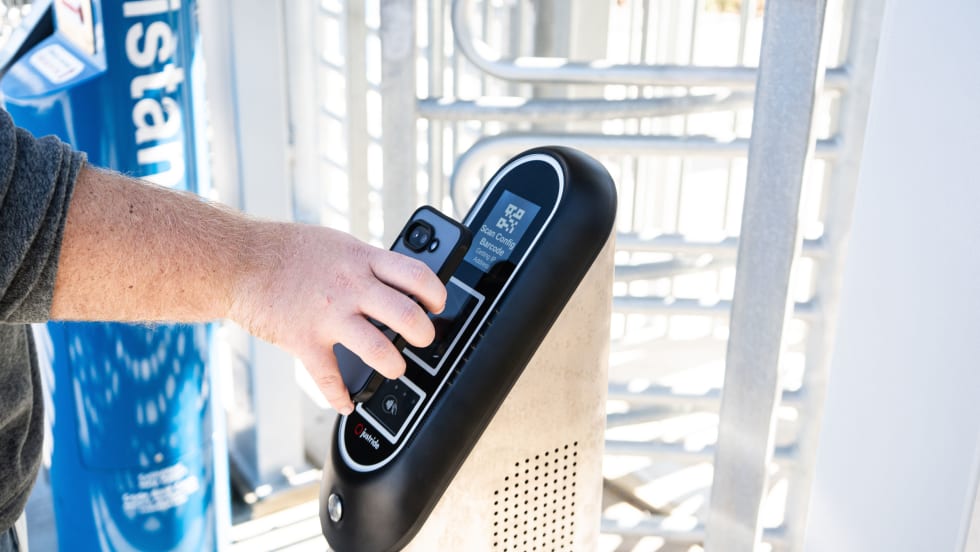
Biz Briefs: Masabi Teams with St. Louis Metro and More
In METRO's latest installment, we take a look at recent news from Transdev, Hitachi, and more partnerships making headlines across the transportation sector.
Read More →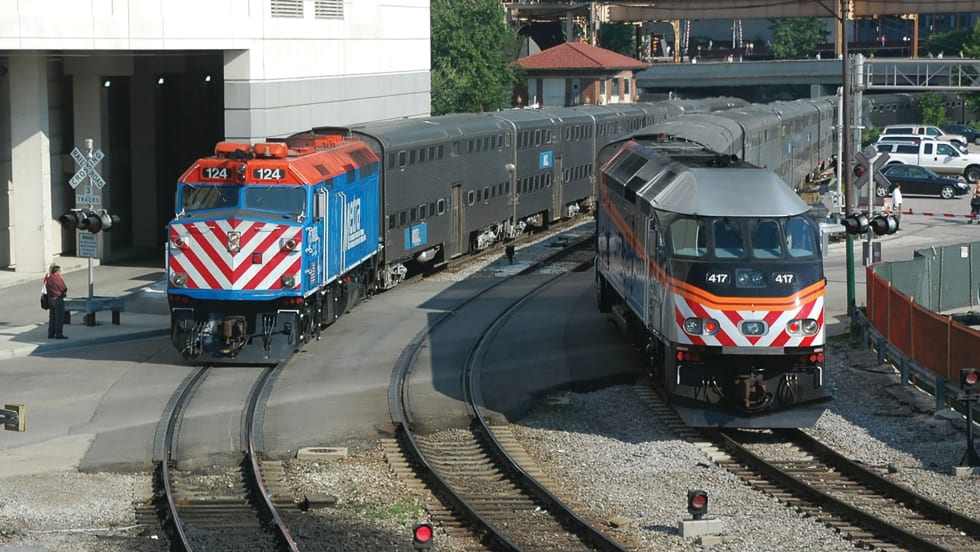
Metra Begins Drone Pilot Project to Boost Safety and Security
The project is funded through a $620,000 grant from FEMA’s Transit Security Grant Program, which provides transit agencies with funding for projects intended to protect critical transportation infrastructure and the traveling public.
Read More →
Building the Next Generation of Transit Technology
In this edition of METROspectives, Luminator CEO Magnus Friberg discusses the company's transformation, the growing role of AI and software, and what's next for transit technology.
Read More →
APTA Recognizes Excellence in Rail Safety and Security at 2026 Rail Conference
Nominations are evaluated on four criteria: effectiveness, benefit level, innovation, and transferability.
Read More →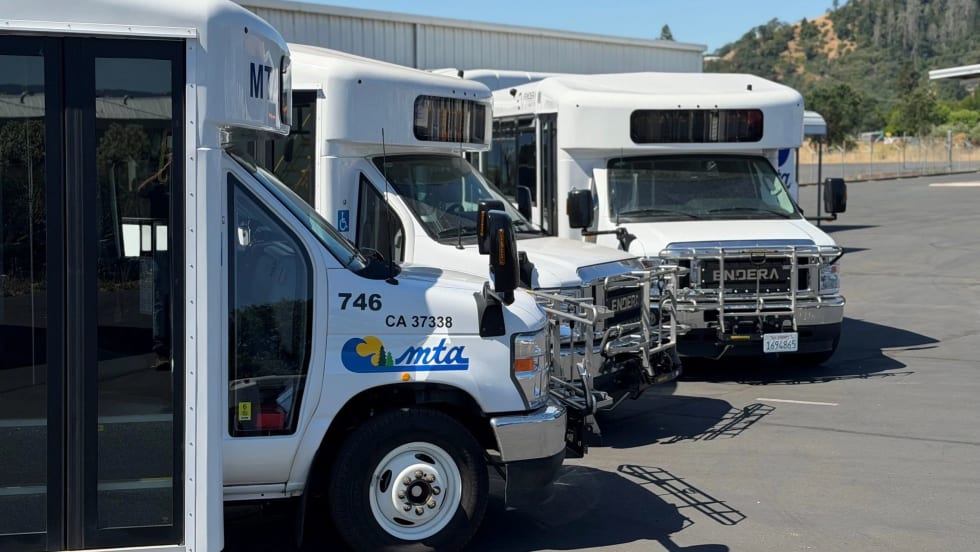
Biz Briefs: Endera Delivers to California, Safety Vision Teams with San Antonio's VIA, and More
From manufacturers and suppliers to transit agencies and motorcoach operators, these updates offer a snapshot of the projects, partnerships and business moves driving the industry forward.
Read More →
The Role of AI in Public Safety for Smart Transit Systems
As transit systems generate more data than ever, AI-powered safety tools are helping agencies detect incidents faster, improve response times and enhance situational awareness.
Read More →