



CTA Innovation Studio Expands Pilot to Reduce Smoke, Odors
The new filters include substantially more activated carbon than traditional HVAC filters, which is especially helpful in providing a better transit riding experience for vulnerable populations, particularly children, seniors, and people with chronic illnesses, according to the CTA.

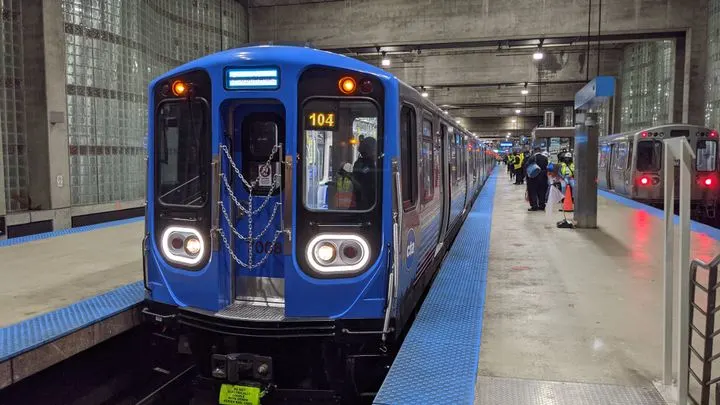
Last summer, CTA’s Innovation Studio launched a problem statement seeking solutions to mitigate the smell of smoke and other unpleasant odors. The agency sought solutions that were low-maintenance, easily installed, and capable of performing in a variety of outdoor weather conditions.
Credit: CTA
The Chicago Transit Board approved an agreement with Sandbox Carbon to pilot activated carbon filters installed on eight CTA railcars to mitigate cigarette smoke and other odors that negatively impact the customer experience.
The new filters include substantially more activated carbon than traditional HVAC filters, which is especially helpful in providing a better transit riding experience for vulnerable populations, particularly children, seniors, and people with chronic illnesses, according to the CTA.
“We are excited to move forward with this pilot for Innovation Studio,” said CTA Acting President Nora Leerhsen. “We employ a multifaceted approach to confronting the issue of smoking aboard CTA buses and trains, including in-system campaigns and working closely with local law enforcement and security personnel to execute anti-smoking missions. This pilot complements those efforts and seeks to use technology to enhance air quality in our railcars.”
Combating A Lingering Issue
Over the past few years, CTA has experienced a significant increase in the number of people smoking on vehicles. Smoking on transit vehicles is not only a violation of CTA’s Code of Conduct but also degrades the rider experience and creates a strong incentive for riders to choose modes other than transit if they are able, officials said, as well as issues with secondhand smoke.
The pilot complements CTA’s ongoing efforts to combat smoking on trains and buses, including working closely with local law enforcement and security personnel to address it in real time through strategic anti-smoking missions that issue citations to violators, as well as ongoing amplification of both visual and audio reminders that smoking is prohibited. The pilot will address the final element — mitigating the impact of second-hand smoke.
Last summer, CTA’s Innovation Studio launched a problem statement seeking solutions to mitigate the smell of smoke and other unpleasant odors. The agency sought solutions that were low-maintenance, easily installed, and capable of performing in a variety of outdoor weather conditions.
CTA railcars in particular present a challenging environment for retrofitting new equipment, as solutions are needed to:
Be resistant to vandalism and avoid obstructing the cabin to maintain passenger capacity.
It has little impact on airflow to prevent excess wear on the HVAC system.
Address odor (typical HVAC filters can capture harmful particles, but many odor-causing gases can pass through).
How the Tech Works
For this pilot, CTA will install Sandbox Carbon’s activated carbon filters on eight 5000-Series railcars.
The filters will be installed in the return air ducts, which pull air from the cabin for the HVAC system, and there are four per railcar. Each filter will have a custom-designed protective metal grate to prevent debris from entering. To monitor the filters' performance throughout the pilot, CTA will also install two state-of-the-art industrial air-quality sensors in each railcar to measure two common byproducts of cigarette smoke. These sensors will also monitor air flowing through the HVAC system.
With this agreement, CTA will fund the one-year pilot. The agency anticipates installing the custom filters beginning this spring, following a baseline air quality test to help compare the effectiveness of the new filters.
CTA will also evaluate the time required for the filters to completely remove odor from cigarette smoke in the air and ensure they remain effective throughout the period between maintenance cycles.
Sandbox Carbon is a small Chicago-based firm that specializes in scrubbing pollutants from fossil-fuel combustion exhaust sources and turning them into inert minerals.
The company is applying techniques they use in the Construction industry to scrub fossil-fuel combustion exhaust in the transit context. In addition, Sandbox Carbon will be able to reuse the filters removed from the CTA railcars for less demanding applications, even when they are no longer effective for mitigating cigarette smoke.
Sandbox Carbon will work with the women-owned, Chicago-based metalworking shop FosterWorks to fabricate the custom stainless steel filter enclosures.
With the approval of the Chicago Transit Board, the CTA can implement the pilot and begin testing the filters, officials said.
More Technology

From Hardware to Digital Partner: Luminator Charts Its Next Chapter
CEO Magnus Friberg discusses Luminator’s shift toward becoming a digital partner, the growing importance of software and interoperability, and how AI can help agencies improve operations and passenger experience.
Read More →
Beyond the Checklist: A Structured Approach to Transit Maintenance
Reliability-Centered Maintenance helps transit agencies move beyond routine checklists to focus limited resources on the assets and failures that have the greatest impact on safety, reliability, and service.
Read More →
NJ TRANSIT Advances Bus Technology Upgrades Across Statewide Fleet
More than 1,500 buses now feature upgraded technology designed to improve arrival predictions and provide free Wi-Fi, with deployment expected to reach nearly 2,000 buses by the end of 2026.
Read More →

Building a Flexible Path to Transit Electrification
John Hroncich discusses BAE Systems’ modular and scalable approach, lessons learned from decades of real-world operations, and how agencies can identify electrification strategies that fit their fleets.
Read More →
Biz Briefs: Alstom Lands Canadian Contract, LYT to Supply California TSP, and More
In METRO's latest installment, we take a look at recent news from Complete Coach Works, Beep, FlixBus, and more partnerships making headlines across the transportation sector.
Read More →
From Legacy Silos to Conversational Intelligence
What if transit leaders could ask any operational question and get a trusted answer in seconds? Conversational AI is transforming how agencies use their data.
Read More →
USDOT Announces Rail Vehicle Replacement Grants, Chattanooga AV Shuttle Funding
More than $191 million in federal funding will help three transit agencies replace aging rail vehicles and support a new autonomous shuttle service in Chattanooga.
Read More →
Bus Tech Talk: Keeping Transit Technicians Ahead of the Technology Curve
LA Metro’s Obed Mejia discusses technician training, evolving maintenance technology, fleet replacement, and strategies for getting the most out of today’s transit fleets.
Read More →
Biz Briefs: RIPTA Unveils New Frontrunners, Clevland RTA Adds New Siemens, and More
In METRO's latest installment, we take a look at recent news from Siemens, Prevost, Dodge, and more partnerships making headlines across the transportation sector.
Read More →
Why Simulating Pedestrian Movement Has Become Essential for Modern Rail Stations
Pedestrian microsimulation is helping rail planners identify bottlenecks, test station designs, and prepare complex transit hubs for growing passenger volumes.
Read More →