



LA Metro Launches Care-Based Public Safety Division
The new division brings ambassadors, outreach, and crisis response together to improve safety, coordination, and rider experience systemwide.

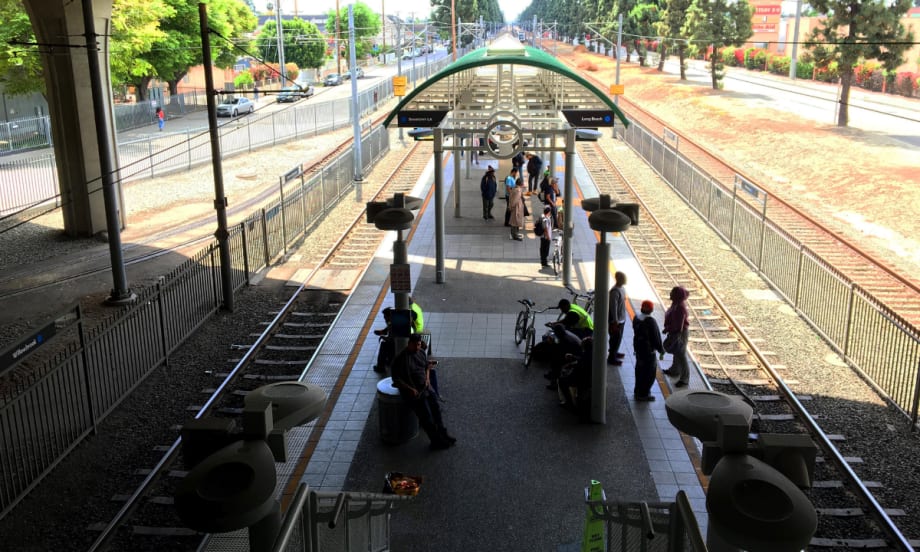
On June 28, 2024, the LA Metro Board of Directors unanimously approved the establishment of an in-house public safety department to ensure increased visibility, accountability, and consistent service delivery.
Photo: Los Angeles County Metropolitan Transportation Authority
The Los Angeles Metro’s Department of Public Safety recently launched its Care-Based Services Division, focused on a holistic approach to public safety that prioritizes safety, dignity, and the right response in every situation.
The new division unites the metro’s care-centered public safety programs within the Department of Public Safety, including Metro Ambassadors, Homeless Outreach Management and Engagement (HOME), and Community Intervention Specialists.
According to an agency release, LA Metro’s Care-Based Services Division will work in close coordination with the department’s other divisions that oversee law enforcement, code of conduct enforcement, physical security, and emergency management, resulting in “enhanced coordination and improved response times to ensure all riders and employees feel safe and are safe.”
Leadership Focuses on Mental Health, Crisis Intervention
Craig Joyce, LCSW, a senior executive officer with more than 15 years of social work experience, will lead this new division. He will report directly to William Scott, LA Metro’s chief of police and emergency management.
Joyce joined LA Metro in 2023 and led the agency’s homeless outreach initiative, which has resulted in a 38% year-over-year reduction in homeless individuals seeking shelter on the system, according to the 2025 Metro Point in Time Count.
“Today marks a significant step forward in Metro’s promise to deliver a holistic public safety model that includes mental health support, crisis intervention, outreach to vulnerable populations on our transit system alongside law enforcement,” said Fernando Dutra, LA Metro board chair and City of Whittier council member.
New LA Metro Division Brings Programs Under One Structure
In order to craft a modern safety approach, LA Metro is bringing together current and emerging programs to “ensure all LA Metro riders and employees feel safe throughout the system,” including:
Metro Ambassadors, which provide a highly visible, uniformed presence across the system with a focus on customer support, wayfinding, and helping riders feel safe. According to LA Metro, ambassadors are especially effective in creating a sense of comfort for riders who may be uneasy interacting with sworn officers, while still serving as an important part of the agency’s overall safety ecosystem.
HOME and Community Intervention Specialists complement this work by responding to situations involving mental health crises or vulnerable individuals through a multidisciplinary, care-first approach. These teams focus on de-escalation and connection to appropriate services, working closely with sworn officers when needed to ensure situations are handled safely and effectively.
LA Metro’s emerging Crisis Response Teams will respond to behavioral health-related incidents on the rail and busway system, using clinicians, peer specialists, and, when appropriate, trained DPS officers. Deployed through a zone-based model, Crisis Response Teams emphasize rapid response, stabilization, and connection to supportive resources, helping resolve incidents while reducing reliance on traditional law enforcement and reinforcing system-wide safety.
“This collaborative approach reflects a growing recognition of the importance of integrating mental health expertise into public safety responses and promoting trauma-informed approaches to crisis intervention,” said LA Metro CEO Stephanie Wiggins.
On June 28, 2024, the LA Metro Board of Directors unanimously approved the establishment of an in-house public safety department to ensure increased visibility, accountability, and consistent service delivery.
By the end of 2029, LA Metro’s Public Safety Department will deploy its own hired and specially trained law enforcement officers in the field, alongside ambassadors, homeless outreach staff, and crisis intervention staff, using a zone-based deployment model.
Each zone will have at least one crisis co-response team assigned to respond to calls and to engage proactively on board trains and buses, and at LA Metro transit stations.
More Security and Safety

Transit Agencies Highlight Safety Gains at National Summit
Leaders from 15 major transit systems shared crime-reduction results and safety initiatives while discussing the role of continued federal support.
Read More →
DART Launches Major Security, Fare Enforcement Initiative
The 90-day demonstration will deploy coordinated security teams at five light rail stations while testing controlled access and gathering data to guide future investments.
Read More →
RTD Launches NextRide App to Consolidate Trip Planning, Fares, Security Reporting
The app expands on RTD’s existing NextRide web application and allows customers to view real-time vehicle locations and service alerts, purchase and store digital fares, and access customer support.
Read More →

TAPTCO Updates OSHA Compliance Training for Transit Maintenance Operations
The revamped program addresses 26 OSHA standards for maintenance facilities, with TAPTCO pointing to training, documentation, and everyday shop hazards as continuing challenges for transit operations.
Read More →
How VaporVision Adds Value to Transit Door Systems
Wabtec engineers explain how the system improves doorway detection, strengthens diagnostics and gives transit agencies and OEMs greater operating flexibility.
Read More →
FRA Announces $5.3B in Rail Investments, Including $2B for Amtrak
Funding will support grade-crossing improvements, infrastructure upgrades, and new Amtrak equipment in 23 states.
Read More →
Chicago, Maryland Expand Non-Law-Enforcement Safety, Rider Support
The CTA and MTA are launching new programs aimed at de-escalation, crisis response, rider assistance, and greater transparency.
Read More →
LA Metro, City of West Hollywood, and Partners Advance Smarter Bus Lane Enforcement
The award-winning partnership combines AI-powered detection with human oversight to improve bus reliability, accessibility, and enforcement efficiency.
Read More →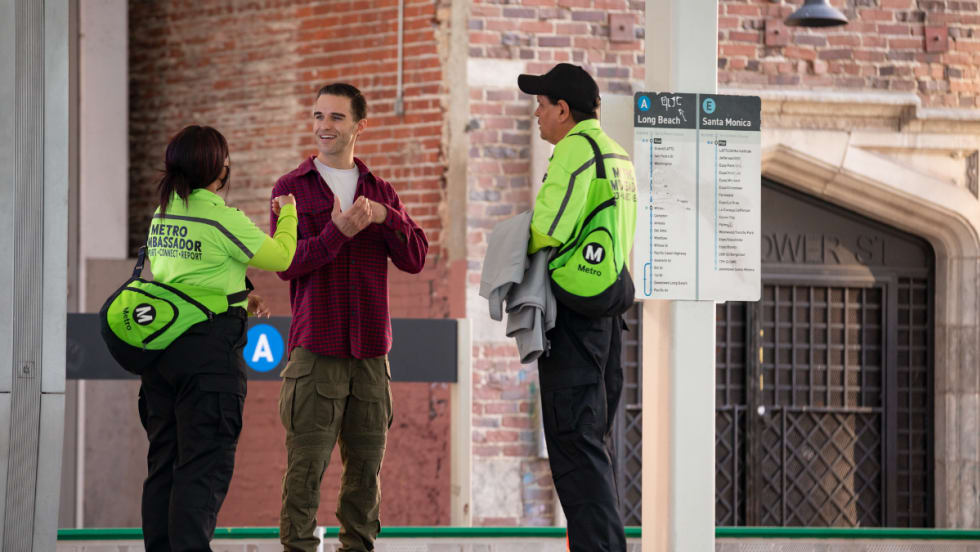
LA Metro Reports 57% Decline in Homelessness on Transit System Since 2024
The agency's latest homelessness count offers new data on how care-based services and cross-sector partnerships can complement traditional transit security strategies.
Read More →
FTA Launches 'Transit Moves America' Dashboard to Highlight Agency Safety and Performance
The online dashboard transforms National Transit Database information into a public-facing resource that allows users to compare transit agencies on key operational and safety metrics.
Read More →