



WMATA awards new Va. bus facility contract to Transdev
The move is expected to control cost growth while delivering quality service and preserving current employees’ jobs.

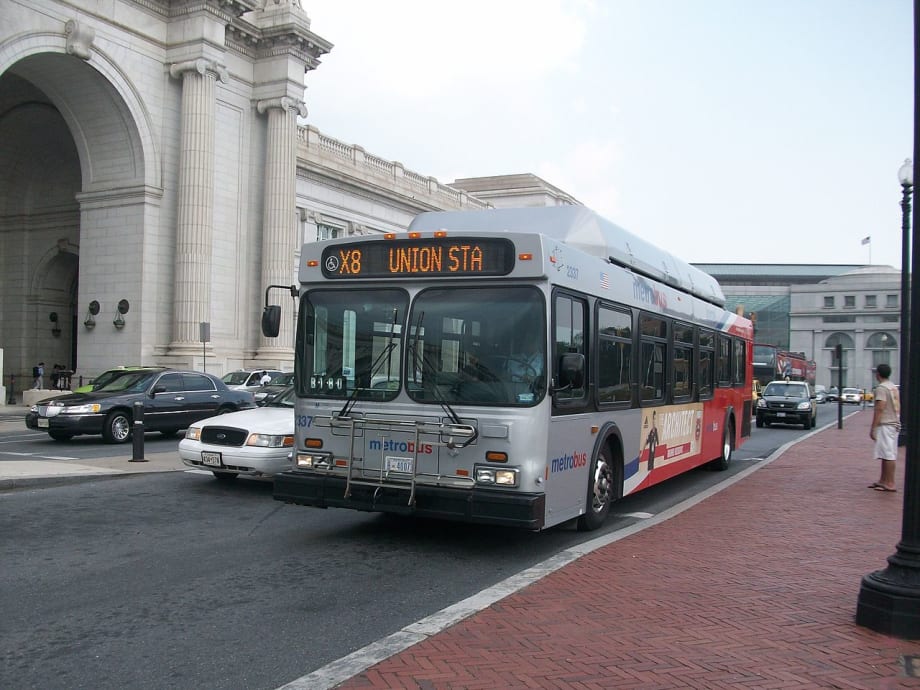
The contract will save Metro $15 million over the next five years, without eliminating current union-represented employees.
Kevin B.
The contract will save Metro $15 million over the next five years, without eliminating current union-represented employees.
Kevin B.
The Washington Metropolitan Area Transit Authority (WMATA) awarded a contract for the maintenance and operation of buses from its new Cinder Bed Road bus facility in Lorton, Va., in a move expected to control cost growth while delivering quality service and preserving current employees’ jobs.
The contract was awarded to Transdev, which operates transit services in the region for Prince George’s County and Loudoun County, as well as in other markets including Detroit, Los Angeles, and Pittsburgh. The contract, which is expected to add 140 new jobs, includes a mobilization period prior to the facility opening in December, three base years, and two one-year options. The contract is valued at $89 million including the two option years.
“To preserve current service levels for customers and protect jobs for our existing employees, WMATA is working to contain cost growth,” said GM/CEO Paul Wiedefeld. “This is a step toward keeping Metro affordable for riders, while helping to meet the legal mandate to hold subsidy growth for operating trains and buses for taxpayers at three percent.”
More than 70% of WMATA’s operating budget pays for labor costs. The contract will save Metro $15 million over the next five years, without eliminating current union-represented employees. The savings are the result of management efficiencies, and by avoiding additional pension and retirement benefits associated with hiring new employees. Metro’s current unfunded pension and retiree benefits liability is $2.8 billion.
Since 2010, the region’s share to operate trains and buses has grown about 8% annually, while farebox revenues remained flat. WMATA’s financial plan to “Keep Metro Safe, Reliable, and Affordable” aims to hold costs down through business efficiencies and new policies, all while maintaining service quality.
Ten bidders expressed interest in WMATA’s solicitation for the work, and five submitted proposals. The agency’s largest Union, ATU-Local 689, submitted a proposal that could not be considered because it failed to meet the authority’s public procurement requirements.
To ensure safe and reliable service for customers, the Cinder Bed Road facility contract includes 15 key performance metrics that will be used to measure TransDev’s performance. The agreement includes incentives for meeting or exceeding the metrics and consequences for falling short. These include measurements for on-time performance, vehicle cleanliness, customer comfort, ADA equipment availability, and preventive maintenance compliance.
More Bus
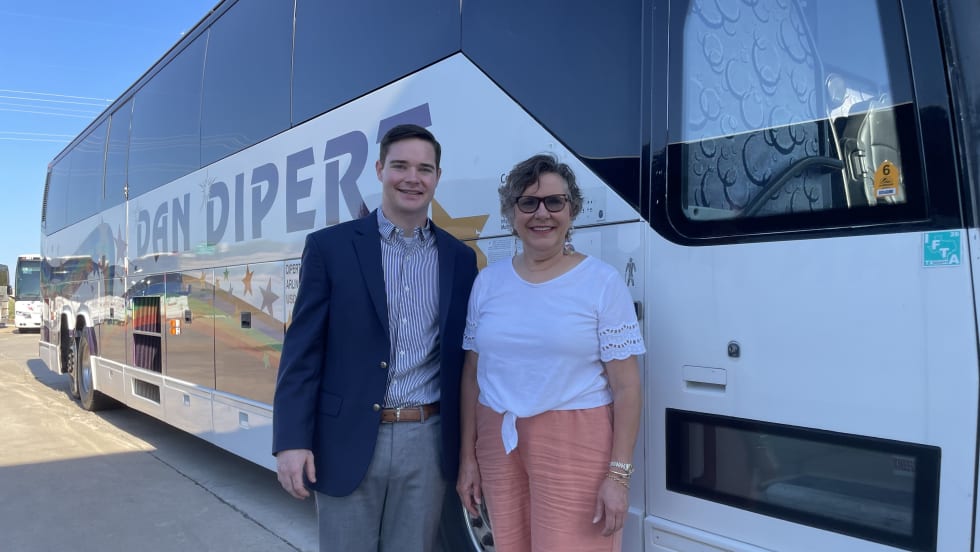
People Movement: Dan Dipert Coaches Adds Third-Generation Leader, Keolis Names New Valley Metro VP/GM, and More
In this edition, we also cover recent appointments and announcements at the Wabtec, SilverRide, HNTB, and more, showcasing the individuals helping to shape the future of transportation.
Read More →
New York MTA Plans Largest Bus Fleet Upgrade in More Than a Decade
The agency is seeking manufacturers for 650 new CNG buses to replace aging vehicles, improve reliability, and advance its broader fleet modernization strategy.
Read More →
Building a Flexible Path to Transit Electrification
John Hroncich discusses BAE Systems’ modular and scalable approach, lessons learned from decades of real-world operations, and how agencies can identify electrification strategies that fit their fleets.
Read More →
Bus Tech Talk: Keeping Transit Technicians Ahead of the Technology Curve
LA Metro’s Obed Mejia discusses technician training, evolving maintenance technology, fleet replacement, and strategies for getting the most out of today’s transit fleets.
Read More →
Biz Briefs: RIPTA Unveils New Frontrunners, Clevland RTA Adds New Siemens, and More
In METRO's latest installment, we take a look at recent news from Siemens, Prevost, Dodge, and more partnerships making headlines across the transportation sector.
Read More →
People Movement: Holly Arnold Joins Transdev and More
In this edition, we also cover recent appointments and announcements at Pace, CamTran, MCI, and more, showcasing the individuals helping to shape the future of transportation.
Read More →
The High Cost of Transit Buses: Industry Leaders Look to Procurement Reform
Transit leaders and policymakers examine how standardized bus designs, streamlined procurement, and predictable funding could help agencies stretch budgets and deliver better service.
Read More →
The Business Voice Behind Public Transportation
As chair of APTA’s Business Members Board of Governors, Ray Melleady explains how more than 850 business members are partnering with transit agencies to advance funding, innovation, and industry-wide collaboration.
Read More →
From Surviving to Thriving: Building Stronger Transportation Organizations
Bus Business Consultants founder Brian Dickson shares lessons on leadership, organizational health, and creating options for long-term success in a changing transportation industry.
Read More →
Finding the ‘Happy Medium’: Optimizing Maintenance Without Sacrificing Reliability
The key to maintenance optimization isn’t doing less work—it’s doing the right work at the right time on the right assets.
Read More →