




RELATED: Connected Vehicle Tech Offers Promise for Public Transit
Tampa enlists suppliers to launch connected vehicle tech downtown
Later this year, the Tampa Connected Vehicle Pilot will begin equipping buses, streetcars, and privately-owned vehicles with technology that will enable them to communicate with each other and with traffic signals, crosswalks, and other elements of the transportation infrastructure.
February 23, 2017

2 min to read

Fla.’s Tampa Hillsborough Expressway Authority (THEA) is preparing to test and deploy new technology designed to improve transportation in downtown Tampa as part of its Connected Vehicle Pilot Deployment project.
The agency’s vehicle systems integration partner — Brandmotion, of Southfield, Michigan — selected three companies to provide the cutting-edge communications equipment that will make the project possible: Commsignia and Savari of Santa Clara, Calif., and SiriusXM of New York City.
Later this year, the Tampa Connected Vehicle Pilot will begin equipping buses, streetcars, and privately-owned vehicles with technology that will enable them to communicate with each other and with traffic signals, crosswalks, and other elements of the transportation infrastructure. Pedestrians may also participate by downloading and using a smartphone app. The goal is to provide equipped drivers, transit riders, and pedestrians in downtown Tampa a range of safety and mobility benefits, including crash prevention, enhanced traffic flow, and greenhouse gas reductions.
Vehicles participating in the pilot project will require in-vehicle displays, antennas, and radio communication devices called onboard units. Commsignia, Savari, and SiriusXM will supply the onboard units, which communicate with each other and with roadside equipment. Brandmotion is responsible for systems integration and testing. Researchers will compare the units’ performance and measure the effectiveness of the overall system.
Tampa was one of just three sites in the nation to be selected for the U.S. Department of Transportation (U.S. DOT) Connected Vehicle Pilot Deployment Program, which seeks to spur innovation among early adopters of connected vehicle applications. The four-year effort began in September 2015, when U.S. DOT awarded THEA a $17 million contract to implement its winning proposal. The project reached another milestone in September 2016, when U.S. DOT authorized THEA and its partners to proceed with the second phase, which includes design, testing, and deployment. The third and final phase, expected to begin in mid-2018, will involve the full-scale operation of connected vehicle technology throughout downtown Tampa.
To implement the pilot project, THEA has assembled a team that includes HNTB, Siemens, the University of South Florida Center for Urban Transportation Research, and Global-5 Communications. Key partners include the Florida Department of Transportation, the City of Tampa, the Hillsborough Area Regional Transit Authority (HART), the TECO Line Streetcar System, and Hillsborough Community College.
More New Mobility
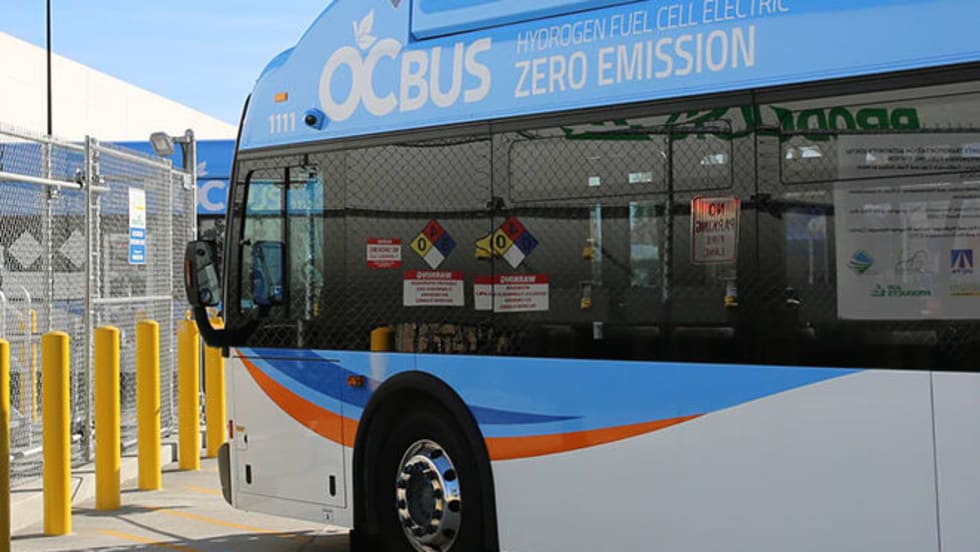
Biz Briefs: OCTA Taps Clean Energy for Hydrogen Station, Stadler to Supply Via Rail Vehicles, and More
From manufacturers and suppliers to transit agencies and motorcoach operators, these updates offer a snapshot of the projects, partnerships and business moves driving the industry forward.
Read More →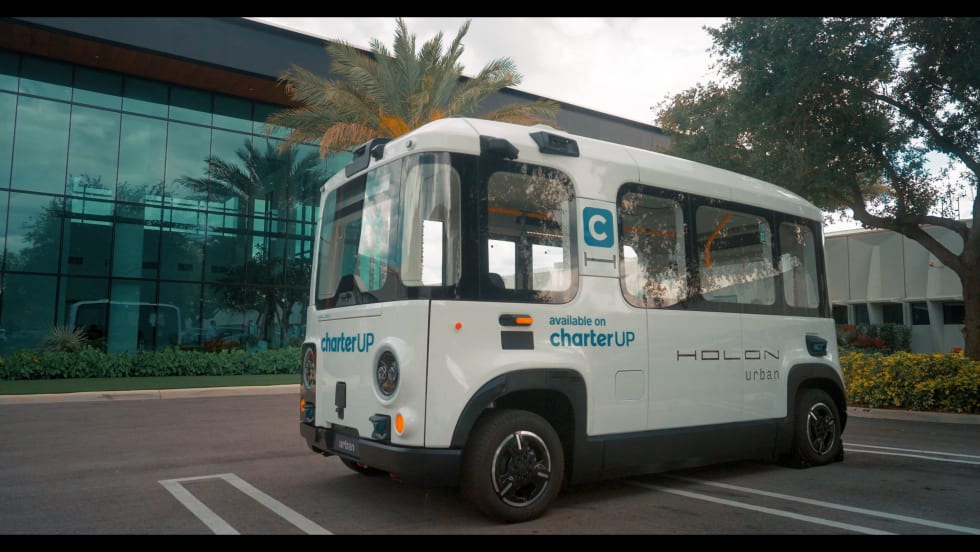
CharterUP Expands Into New Mobility and Autonomous Transportation
Vice President of New Mobility Stephen Joos discusses how CharterUP is leveraging its nationwide transportation network, technology platform, and autonomous vehicle partnerships to expand into workforce mobility, campus shuttles, and transit solutions.
Read More →
METRO Magazine Announces 2026 Innovative Solutions Awards Winners
Projects Recognized for Advancing Mobility Through Technology, Accessibility, Workforce Innovation, and Operational Excellence
Read More →
Biz Briefs: STV teams with Amtrak, Motorcoach Operators Boost Fleet and Land Contracts, and More
From manufacturers and suppliers to transit agencies and motorcoach operators, these updates offer a snapshot of the projects, partnerships and business moves driving the industry forward.
Read More →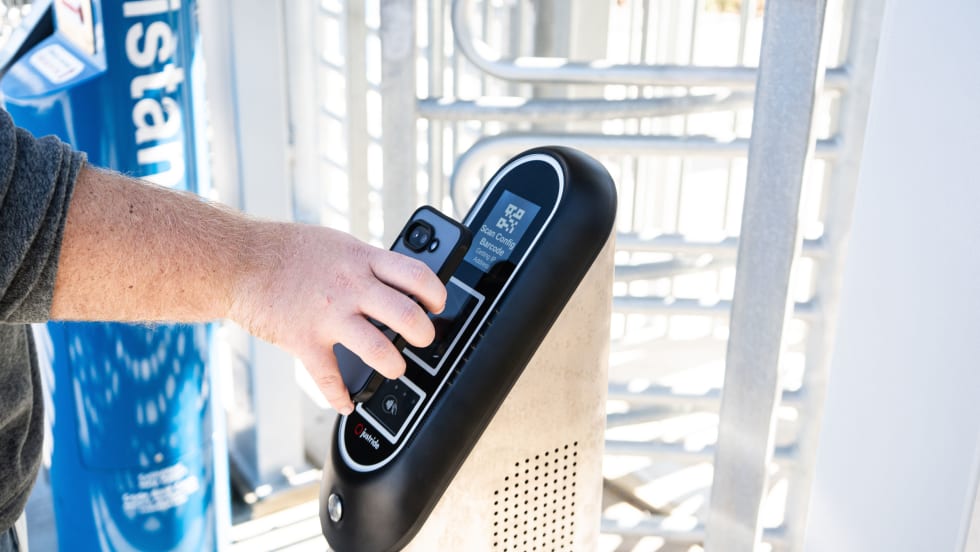
Biz Briefs: Masabi Teams with St. Louis Metro and More
In METRO's latest installment, we take a look at recent news from Transdev, Hitachi, and more partnerships making headlines across the transportation sector.
Read More →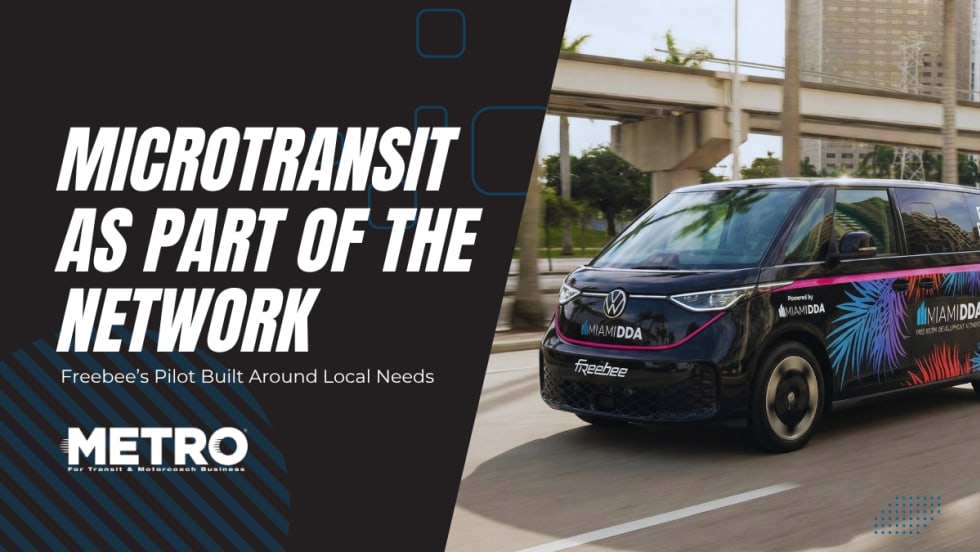
Microtransit's Next Test: Becoming Part of the Network
Freebee shows how electric microtransit is moving beyond pilots to fill network gaps, connect riders to transit, and prove lasting value.
Read More →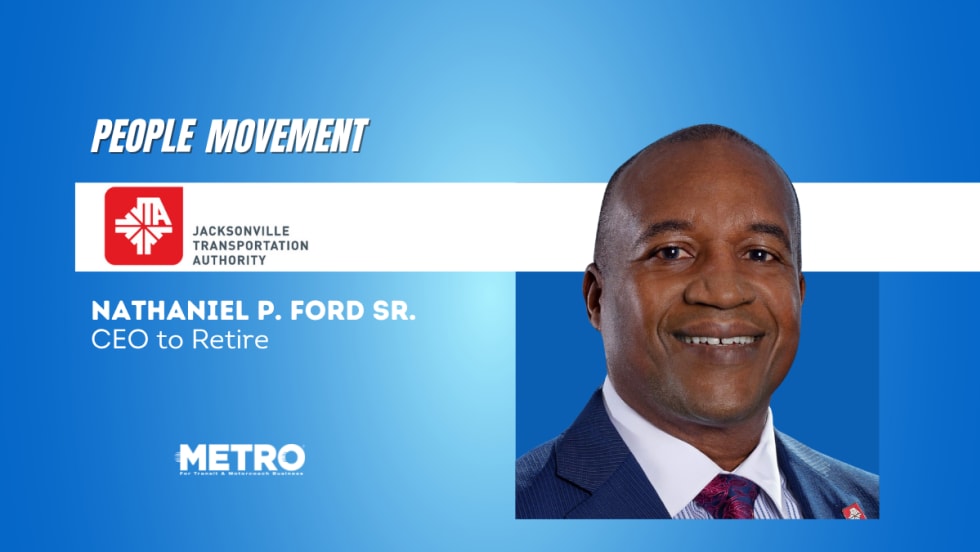
Ford to Leave JTA After More Than 10 Years as CEO
He plans to continue his work advancing innovative mobility solutions to improve the quality of life in communities across the nation. He did not announce specific plans.
Read More →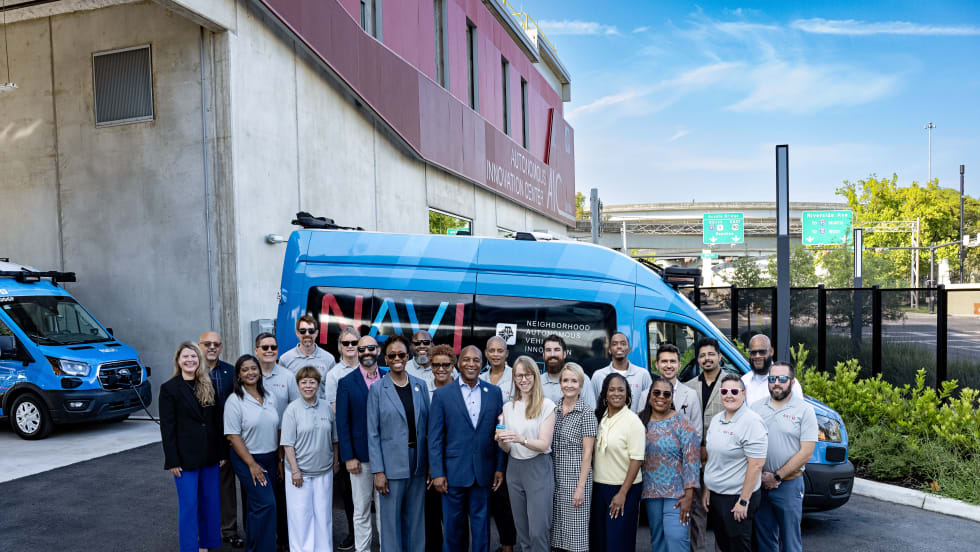
Florida's JTA Marks One Year NAVI Anniversary
During its first year of operation, NAVI has transported over 15,200 passengers and traveled more than 61,000 miles in autonomous mode without a safety incident caused by the autonomous driving system.
Read More →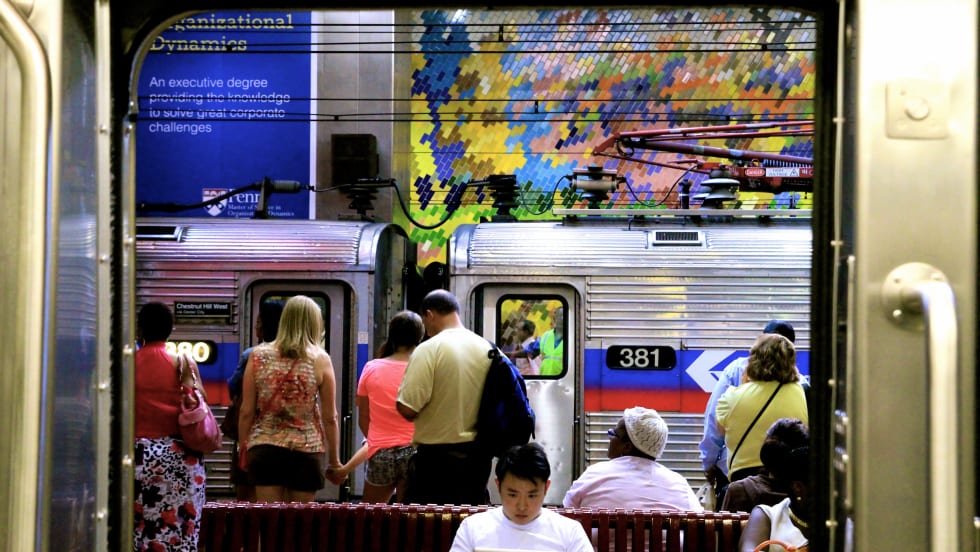
SEPTA Board Approves FY2027 Budget Amid Funding Challenges
The spending plan represents an increase of just 1.9% over the current year and includes investments in new buses, additional full-length fare gates, and other customer enhancements.
Read More →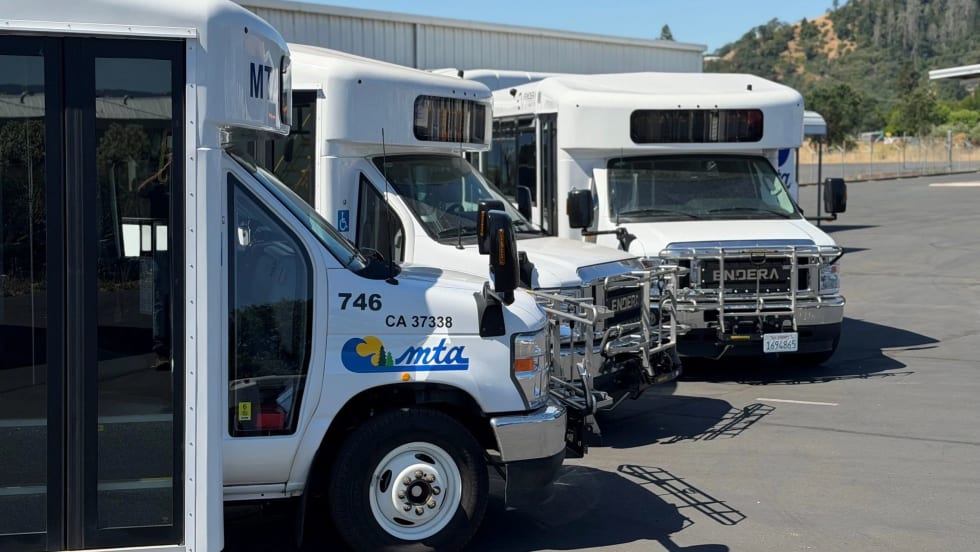
Biz Briefs: Endera Delivers to California, Safety Vision Teams with San Antonio's VIA, and More
From manufacturers and suppliers to transit agencies and motorcoach operators, these updates offer a snapshot of the projects, partnerships and business moves driving the industry forward.
Read More →