The commercial version of the Blue Bird Propane Vision, which comes with a five-year, 100,000-mile warranty, is Altoona-test rated for 350,000 miles or 10 years.
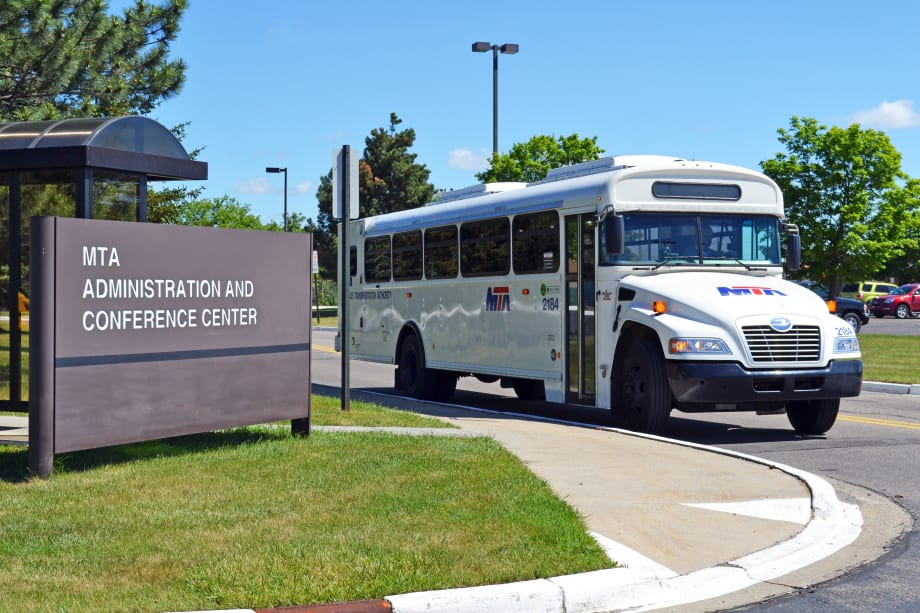
Flint, Mich.’s Mass Transportation Agency recently added 16 propane autogas-fueled Blue Bird Visions.
According to Flint MTA, the new alternative-fuel buses cut costs, reduce harmful emissions and take advantage of a domestically produced fuel. Compared with the diesel buses they replaced, each bus will cut down on 800 pounds of nitrogen oxide and 35 pounds of particulate matter annually.
The commercial version of the Blue Bird Propane Vision, which comes with a five-year, 100,000-mile warranty, is Altoona-test rated for 350,000 miles or 10 years. Each 39-seat bus is equipped with a 6.8L Ford engine, a ROUSH CleanTech fuel system and a 100-gallon fuel tank.
“In the few months since the MTA started using these buses, they are achieving a 325-mile range per tank,” Benning said. “They were purchased as commercial buses and upfitted as public transit buses with transit windows, seating and two wheelchair positions.”
Flint MTA locked in a yearlong rate of 75 cents per gallon for propane autogas, which helps the agency budget fuel costs. With the current federal alternative fuel tax credit, their per-gallon cost is 39 cents. The agency averages 20,000 miles per month on the buses, using them for six hours daily during peak service route times.
Menard discusses how data-driven signal prioritization is improving efficiency, reliability, and ridership, while offering insight into the innovations driving the next generation of smart mobility. Together, they explore how technology and collaboration are paving the way for a more connected, sustainable future in transit.
The pilot program showcases two companies’ technology at eight bus stops. The companies submitted their ideas through the Transit Tech Lab, which is backed by the Partnership Fund for New York City and provides an accelerated pathway for early to growth-stage companies to solve public transportation challenges for the largest transit agencies in North America.
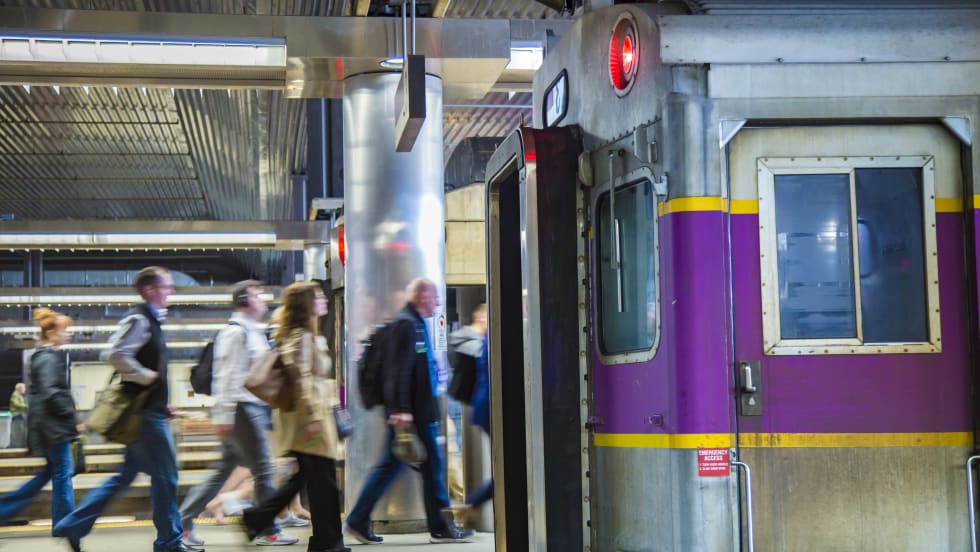
To accomplish this work, the MBTA announced that four phases of temporary evening service changes will begin on February 28 and continue through April.
In this edition of Biz Briefs, we highlight the latest developments shaping the future of mobility — from manufacturers and technology providers to transit agencies and motorcoach service operators.
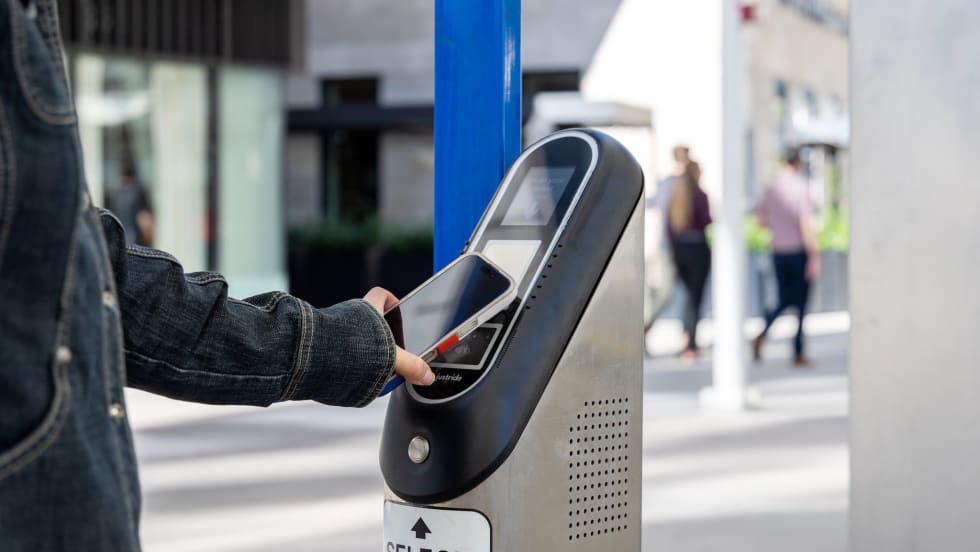
RTD aims to have 15% of all fare payments by individual customers made via Tap-n-Ride by the end of 2026, as awareness of this contactless payment option grows.
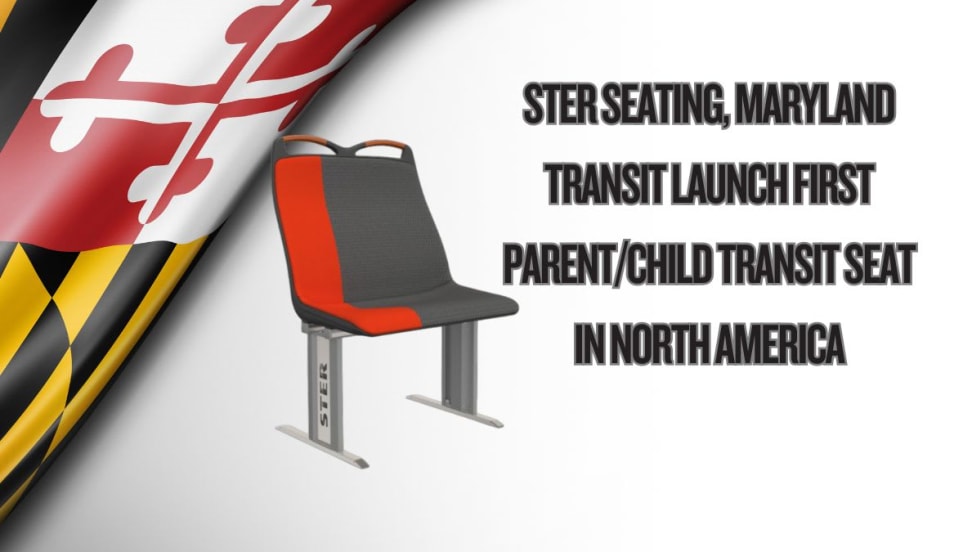
The configuration uses Ster Seating's Gemini seat platform to create a family-friendly floor layout specifically engineered to accommodate parents traveling with young children.