




Related News: City of Greensboro, Gradient Join ACES Mobility Coalition
ACES Mobility Coalition Selects Joshua Schank as New Executive Director
Veteran transportation innovator to lead coalition as it pushes nationwide expansion of shared autonomous mobility.
February 16, 2026
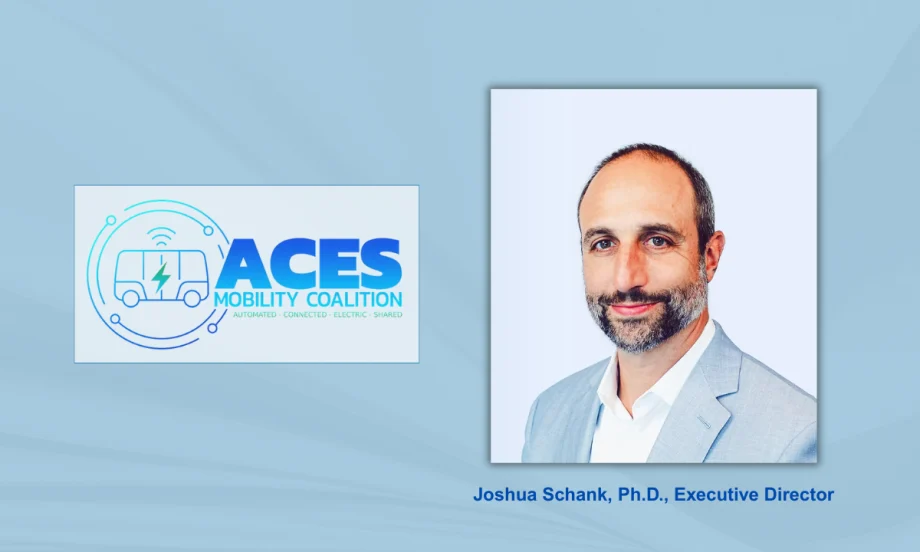
Joshua Schank, Ph.D., has been named executive director of the ACES Mobility Coalition, which is focused on advancing shared autonomous mobility solutions in public transportation.
Credit:
ACES/Metro
2 min to read
- The ACES Mobility Coalition has appointed Joshua Schank as its new Executive Director.
- Schank is recognized as a veteran innovator in the transportation sector.
- The coalition aims to advance the nationwide implementation of shared autonomous mobility.
*Summarized by AI
The ACES Mobility Coalition has named Joshua Schank, Ph.D., as its new executive director. He will lead the organization as it works to expand shared autonomous mobility deployments across the U.S.
Schank was selected unanimously by the coalition’s board following a national search. Board members cited his experience in public transportation, policy, and innovation as key qualifications for advancing the group’s mission.
“Joshua brings strategic thinking, deep policy expertise, and hands-on experience delivering transportation initiatives,” said Greer Johnson Gillis, senior vice president and chief infrastructure and development officer at the Jacksonville Transportation Authority and president of the ACES board. “We’re confident in his ability to build consensus and help communities move pilots to scalable shared autonomous mobility solutions.”
Leadership Background
Schank is a partner at InfraStrategies LLC, where he leads work focused on innovation, strategic planning, and technology. He is also a senior fellow at the UCLA Institute for Transportation Studies and a research associate at the Mineta Transportation Institute. He will retain those roles while serving as executive director of ACES.
Previously, Schank was the first chief innovation officer at the Los Angeles County Metropolitan Transportation Authority. There, he founded and led the Office of Extraordinary Innovation and helped shape the agency’s Vision 2028 Strategic Plan. He also led initiatives including Metro Micro, Mobility on Demand, the Traffic Reduction Study, Better Bus, public-private partnerships, and first- and last-mile programs.
Earlier in his career, Schank served as president and CEO of the Eno Center for Transportation and led transportation research at the Bipartisan Policy Center. He also worked as a transportation policy advisor to Sen. Hillary Clinton during the authorization of SAFETEA-LU. Schank holds a Ph.D. in urban planning from Columbia University and a master of city planning from the Massachusetts Institute of Technology.
“ACES represents the future of transportation,” Schank said. “I’m excited to work with the coalition’s members to help make shared autonomous mobility a permanent, integrated part of public transportation.”
Focus On Scaling Autonomous Mobility
As executive director, Schank will oversee ACES’ strategic direction, policy engagement, and member collaboration. The coalition aims to transition shared autonomous mobility pilots into permanent services that address first- and last-mile gaps and expand access.
Schank succeeds Scott Belcher, president and CEO of SFB Consulting, who co-founded the coalition. Belcher helped bring together public agencies, technology providers, and policy leaders to advance shared autonomous mobility.
“Scott laid a strong foundation for the coalition’s long-term impact,” Gillis said.
Quick Answers
Joshua Schank has been selected as the new Executive Director of the ACES Mobility Coalition.
*Summarized by AI
More Management
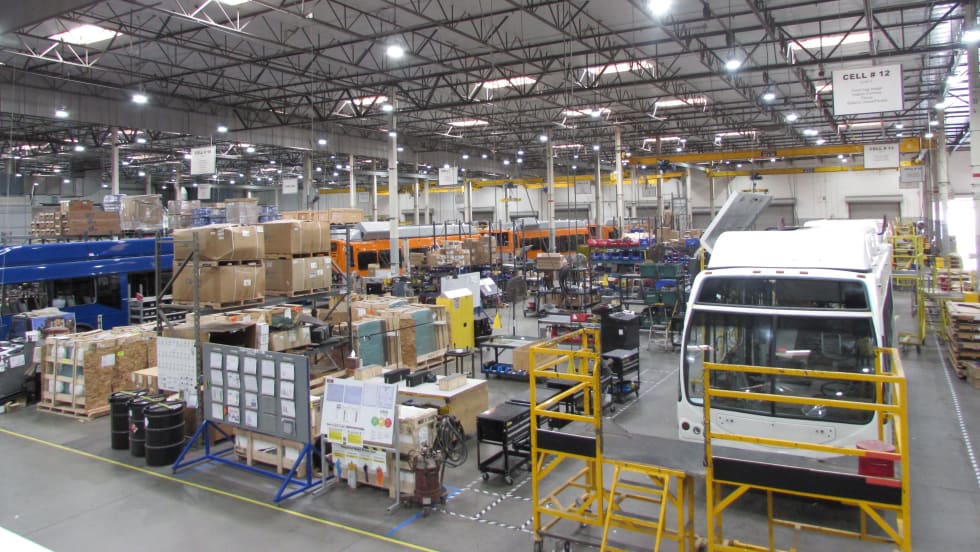
LA Metro Board Awards 220 Battery-Electric Bus Contract to ENC
The contract, which is the largest base award of battery-electric buses by a U.S. transit agency, will be built in Southern California, sustaining good jobs as LA prepares to welcome the world in 2028
Read More →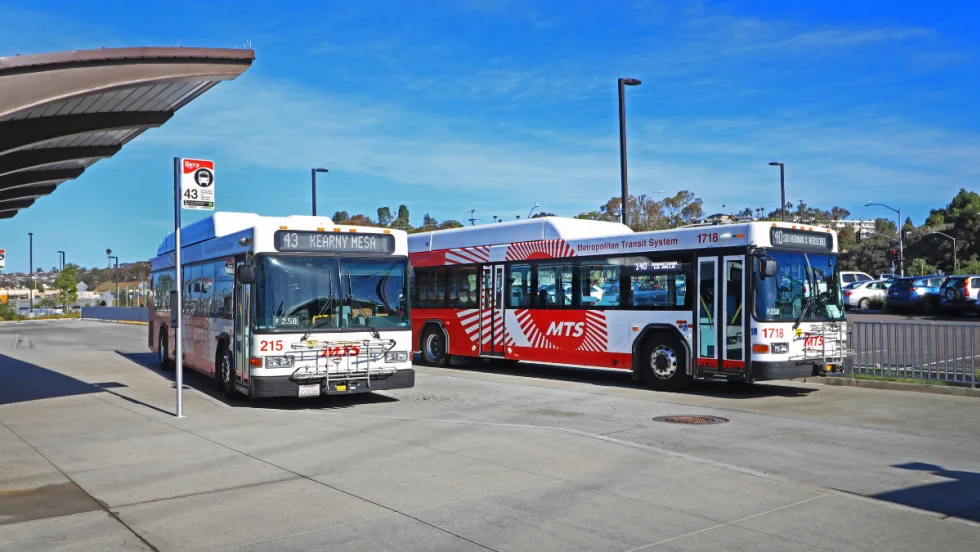
What’s Behind San Diego MTS’s Award-Winning Transit Strategy
Named one of APTA’s 2026 Outstanding Public Transportation Systems with 50 million or more annual passenger trips, California’s San Diego Metropolitan Transit System points to gains in ridership, safety, technology, and reliability as foundations of its success.
Read More →
Public Transit Conference Returning to GFX in 2027, Call for Papers Now Open
The Call for Papers is now open, allowing transit agency professionals and industry experts to help shape the PTC educational program by submitting session ideas for consideration.
Read More →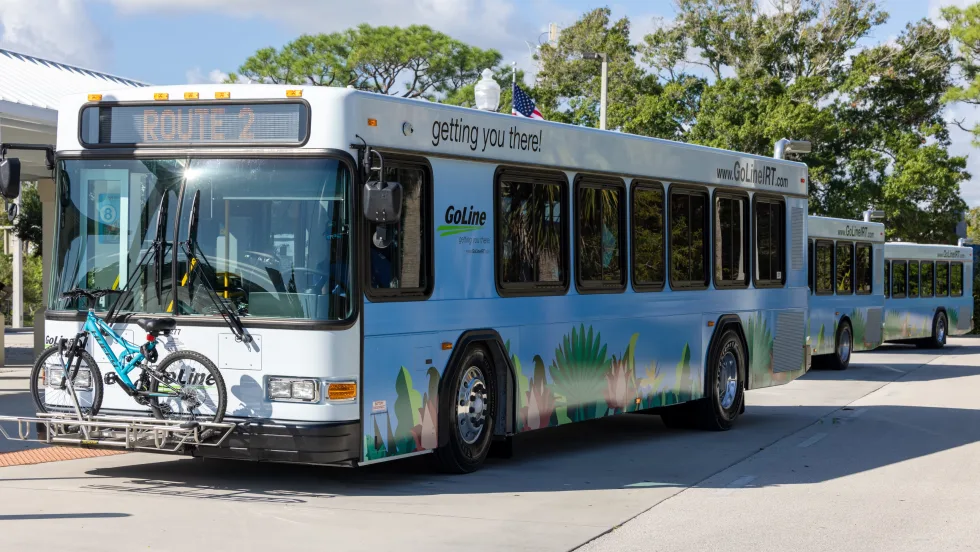
Indian River Transit’s Community-Focused Approach Earns National Recognition
Named APTA’s 2026 Outstanding Public Transportation System in its size category, Florida’s Indian River County transit system continues to grow ridership through fare-free service and a focus on evolving community needs.
Read More →
ENC Lands MATA Contract and More in Biz Briefs
In this edition of Biz Briefs, we spotlight the latest developments shaping the future of mobility.
Read More →
From Surviving to Thriving: Building Stronger Transportation Organizations
Bus Business Consultants founder Brian Dickson shares lessons on leadership, organizational health, and creating options for long-term success in a changing transportation industry.
Read More →
Everett Transit, Community Transit Outline Consolidation Agreement
The proposed agreement calls for a 50% increase in bus service in Everett, a new microtransit zone, continued paratransit service, and the transfer of Everett Transit operations to Community Transit.
Read More →
Strada360’s Steve Lassey on Turning Transit Data Into Better Decisions
From breaking down data silos to preparing for AI, Strada360 CEO Steve Lassey discusses how transit agencies can use technology to improve operations, customer information, and long-term decision-making.
Read More →
People Movement: Phil Washington Joins HNTB, Denver RTD Launches CEO Search, and More
In this edition, we also spotlight recent personnel moves at STV, the Eno Center for Transportation, and more, highlighting the people taking on new roles across the transportation industry.
Read More →
SEPTA Details Accelerate Vision for Transit System
The plan outlines investments in trolley modernization, new Metro and Regional Rail vehicles, accessible stations, and more frequent bus and rail service.
Read More →