



Robotics co. secures $2M to deploy autonomous campus shuttle
Auro Shuttles are equipped with lasers, camera, radar and GPS providing it a complete 360-degree vision under all environmental situations.


Santa Clara University will be the beta test site for autonomous shuttles (Photo credit: Joanne H. Lee/Santa Clara University)

Auro Robotics, an autonomous campus shuttle service, secured $2 million in funding, which will be used to roll out autonomous campus shuttle services at a major American university later this year, marking one of the most advanced deployments of self-driving cars to date.
“Private campuses are an ideal springboard toward a world of fully automated vehicles,” said Jim DiSanto, managing partner at Motus Ventures, the investment firm that led the funding round. “Operating at lower speeds, free of complex government regulations, with the right technologies we can go completely driverless today versus the end of the decade, as projected for public transportation.”
Auro Robotics provides a complete technology system, including proprietary software specific to the unique needs of the private campus environment, to ensure safe and reliable autonomous transportation that promises to reduce parking congestion, facilitate mobility, improve campus security and reduce operating costs up to 60%. The platform combines vehicles and a software platform to overcome challenges of maneuvering safely among erratic traffic flow, heavy crowds, bad weather and imprecise GPS.
The company currently operates a pilot service at Santa Clara University where it safely transports students and faculty anywhere and anytime on campus.
The Auro Robotics system includes a suite of technologies encompassing all aspects of campus autonomous driving. Auro Robotics equips all-electric vehicles with a multi-sensor system for detecting ground-level obstacles. Software includes three-dimensional map creation and real-time localization, as well as advanced motion-planning software and a smart vehicle-pedestrian interaction system. The company also provides a mobile application tuned for on-demand shuttle scheduling and tracking, as well as cloud-based fleet management and scheduling software.
Auro Shuttles use the latest technology to ensure safe navigation even on busy roads. The vehicle is equipped with lasers, camera, radar and GPS providing it complete 360-degree vision under all environmental situations.

Vehicle Technology
The shuttles relies on a prior 3D map of the environment, which is created once in the lifetime at the beginning. In all subsequent runs, it uses this 3D map to localize itself and interpret road topography, according to Auro Robotics' website.
Passengers can input their destinations through a simple-to-use touch screen mounted on the vehicle, or through their mobile app. The underlying software automatically figures out the optimum high-level route to reach safely to the destination.
Auro Prime is a complete self-driving vehicle equipped with all autonomous driving features. It includes:
Obstacle detection and collision avoidance
Road & lane detection and following
Pedestrian detection and avoidance
Emergency braking system
Adaptive speed control, as per the traffic situation
Traffic signs & signal recognition, and following
About Auro Robotics
Founded by graduates of CMU’s Robotics Institute, and the IIT Kharagpur Robotics Research Group, and Y-Combinator, Nalin Gupta, Jit Ray Chowdhury and Srinivas Reddy launched Auro Robotics to apply their work on self-driving shuttles to the campus market. Visit www.Aurobots.com
More New Mobility
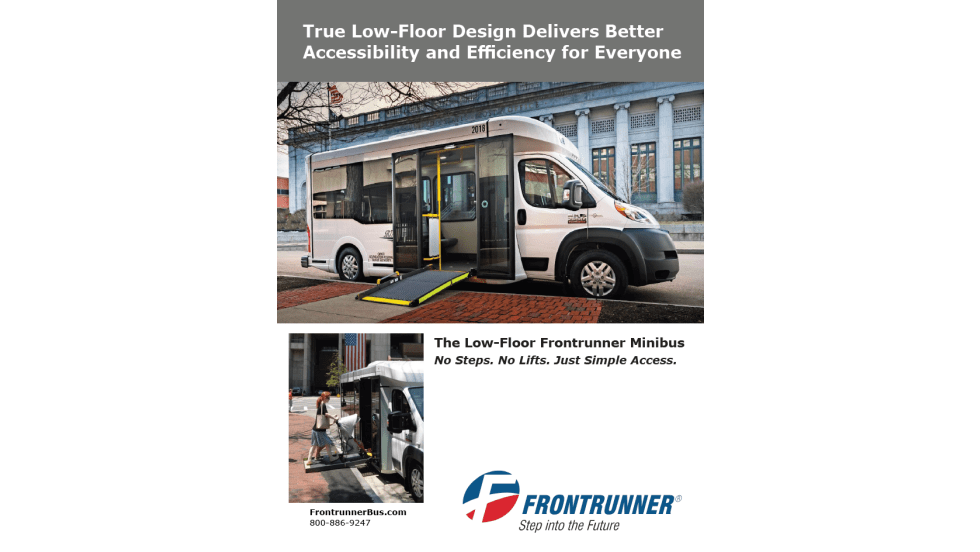
A True Low-Floor Minibus Design Delivers Better Accessibility and Efficiency for Everyone
As transit demands evolve, so should your fleet. Download the whitepaper to see how the Low-Floor Frontrunner Minibus compares to traditional options.
Read More →
Joshua Schank on Transportation Innovation, Risk, and the Future of Mobility
In this edition of METROspectives, the co-author of New Tricks for Old Bureaucracies, discusses lessons from launching LA Metro’s Office of Extraordinary Innovation, the challenges of advancing new mobility technologies, and much more.
Read More →
Biz Briefs: Foothill Gold Line Award, Matawan Contract, and More
From strategic partnerships to acquisitions and service expansions, the industry continues to evolve at a rapid pace. Find out all the latest here.
Read More →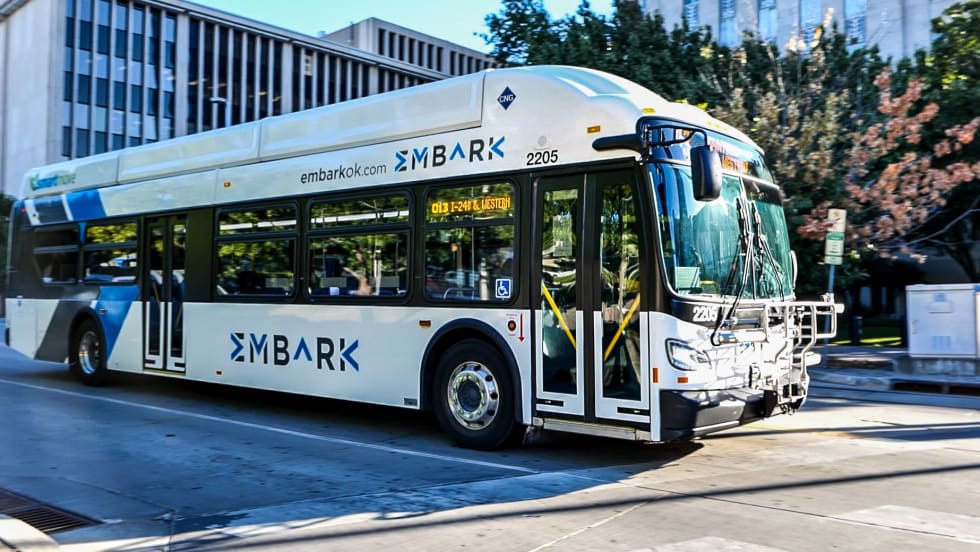
Inside Look: EMBARK Expands Fare-Free Transit Program Through New Public-Private Partnership
The OKC transit agency says sponsorship helps subsidize the Third Friday Free initiative while reducing barriers for first-time riders and boosting ridership across buses, streetcars, and river cruises.
Read More →
2026 METRO Buyer’s Guide & Directory
Searching for the right vehicles, technology, equipment, or services for your public transit or motorcoach operation? This industry guide brings together manufacturers and suppliers from across the transportation market — all in one place. Download it to connect with the companies that help agencies and operators improve mobility, enhance operations, and move their organizations forward.
Read More →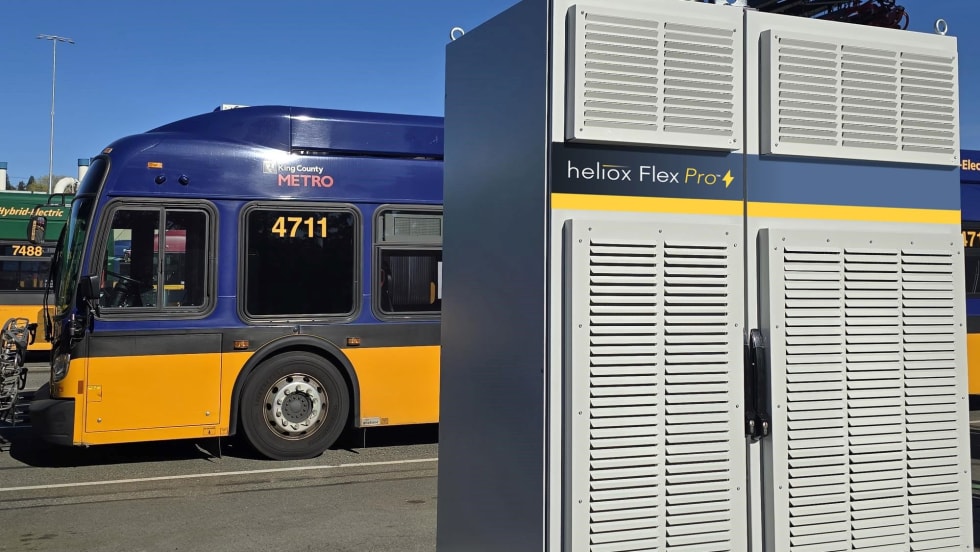
King County Test Heliox Chargers, Keolis Lands California Contract Top Biz Briefs
Stay informed with these quick takes on the projects and companies driving progress across the transportation landscape.
Read More →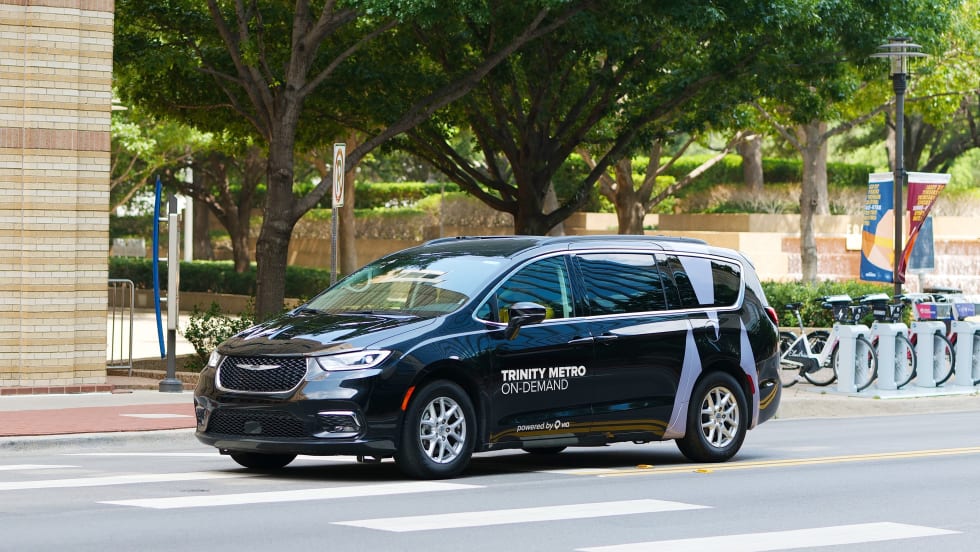
Via Announces Scheduling and Supply Studio
The Scheduling and Supply Studio provides the world’s first fully integrated platform for optimizing vehicle and driver availability to rider demand, said company officials.
Read More →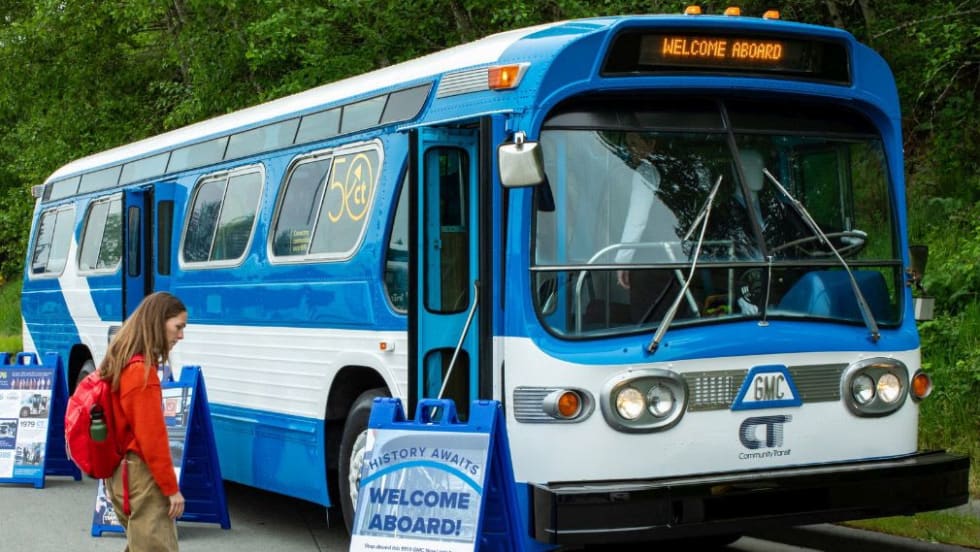
Washington's Community Transit Celebrates 50-Year Milestone
The milestone highlights both the agency’s history and its evolving role in meeting the region’s growing mobility needs.
Read More →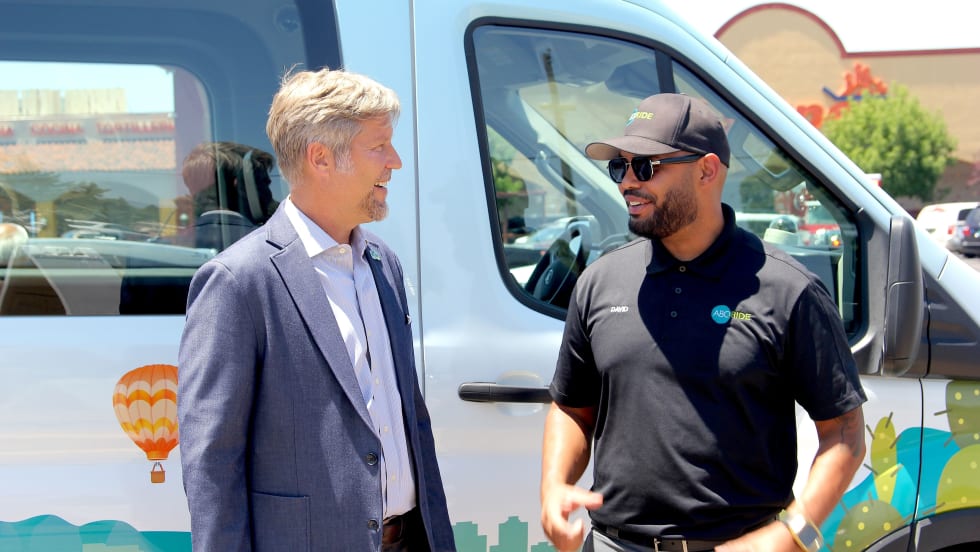
ABQ RIDE Forward's Next Phase Sets Target Date
ABQ RIDE Forward is the first transit system overhaul in more than 25 years. This latest phase marks 15% completion of the 16-phase rollout, which will continue over the next several years.
Read More →
ABC Teams with Waev, Knorr-Bremse in Boston Top Biz Briefs
Stay informed with these quick takes on the projects and companies driving progress across the transportation landscape.
Read More →