



Inside Look: EMBARK Expands Fare-Free Transit Program Through New Public-Private Partnership
The OKC transit agency says sponsorship helps subsidize the Third Friday Free initiative while reducing barriers for first-time riders and boosting ridership across buses, streetcars, and river cruises.

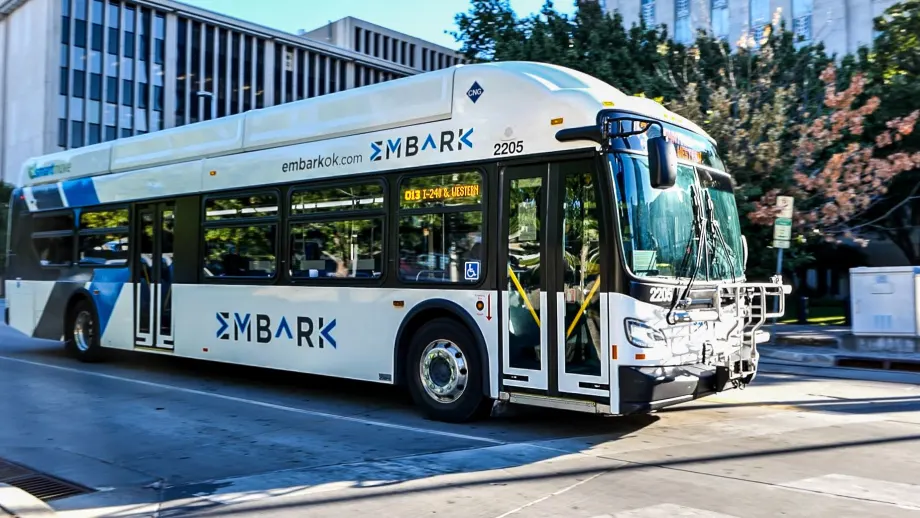
Free Third Fridays aims to introduce more residents and visitors to EMBARK’s public transit services across Oklahoma City.
EMBARK
- EMBARK has expanded its fare-free transit program through a new public-private partnership.
- The "Third Friday Free" initiative is subsidized by sponsorship to make transit more accessible to first-time riders.
- The program aims to increase ridership across various transit modes, including buses, streetcars, and river cruises.
*Summarized by AI
For Oklahoma City’s EMBARK, the “Third Friday Free” program has always been about more than free rides. The initiative, which opens Oklahoma City’s transit network to riders at no cost one Friday each month from May through September, is increasingly becoming a case study in how public transit agencies can leverage partnerships to subsidize service, expand ridership, and lower barriers to entry for new users.
Now entering its fifth year, the fare-free promotion is expanding with a new element: outside sponsorship.
This year marks the first time EMBARK has partnered with a private-sector organization — Allegiance Credit Union — to help financially support the program, said Jesse Rush, director at EMBARK. This partnership could serve as a model for future collaborations aimed at growing transit access while easing operational and financial pressures.
“This is really the first year that we have had a partner in it to help support the Third Friday Free program,” Rush said. “We’re super excited to have Allegiance Credit Union come on board to help support the program.”
EMBARK’s Third Friday Program
The 2025 Third Friday Free program began May 15 and runs through September 18, offering complimentary rides across EMBARK’s fixed-route bus network, RAPID NW bus rapid transit service, Zone 1 paratransit, the OKC Streetcar, and Oklahoma River Cruises.
The goal is straightforward: convince more residents to try public transportation by removing both financial and psychological barriers that often keep first-time riders away.
Rush said the partnership with Allegiance represents more than a sponsorship arrangement. It reflects a broader strategy centered on community partnerships as transit agencies nationwide search for new ways to fund and grow ridership.
By aligning with a local financial institution that already serves thousands of Oklahoma residents, EMBARK gains additional promotional reach while reinforcing the message that transit access is closely tied to economic mobility and quality of life.
“They understand the importance of public transit and the impact that it has on folks’ everyday lives,” Rush said. “Whether that’s going to a doctor’s appointment, getting to your job, or getting back home, they understood its importance.”
Try It, You’ll Like It
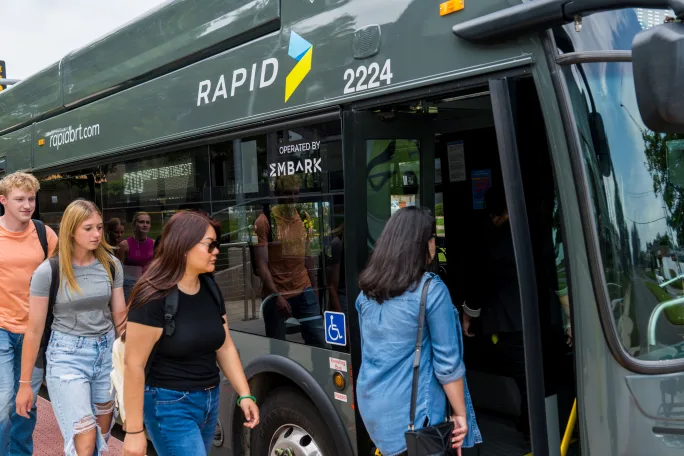
EMBARK provides bus, streetcar and paratransit services connecting riders throughout central Oklahoma.
EMBARK
Rush said programs like Third Friday Free are designed to address one of transit’s biggest challenges: getting people to try the system for the first time.
“We’re always trying to remove the barrier of fear,” Rush said. “A lot of people are nervous the first time they use public transit. They’re wondering, ‘Where do I put my ticket? Or, what do I do?’”
The free-fare initiative allows riders to experiment without pressure or cost.
“If we can get people to try it one time and realize, ‘OK, now I get it. This is easy,’ then that fear goes away,” he said. “The hope is that folks understand just how easy it is and are more willing to use it again.”
According to Rush, EMBARK has seen consistent ridership growth since the program's launch in 2021. However, he acknowledged that those gains initially came as transit agencies nationwide were emerging from pandemic-era declines.
“We have seen continued growth across our entire system,” Rush said. “And we do attribute some of that growth to this program.”
The agency has also seen operational benefits from fare-free service. Eliminating the payment process speeds up boarding times and improves route efficiency.
“When you take away the fare transaction, people basically just get on board and go,” Rush said. “What we’ve seen is our frequency increase quite a bit by taking that aspect out of the process.”
Success on Another Mode
The results have been especially notable on the Oklahoma City Streetcar system, which recently launched a separate fare-free pilot program in January. Rush said average monthly ridership jumped from roughly 20,000 riders to more than 30,000 after fares were removed.
“We know removing that barrier certainly makes it easier to ride,” he said. “And we’ve seen ridership go up on the streetcar.”
Rush noted that fare-free transit models have gained traction in peer cities such as Kansas City, Milwaukee, and Cincinnati, where streetcar circulator systems also operate without fares.
While EMBARK is not currently considering systemwide free transit, Rush said the agency is actively exploring additional partnership-based programs to improve affordability and access. One initiative expected to be presented to the EMBARK board this summer would allow employers to purchase reduced-cost transit passes for workers.
“We’re looking at the possibility of implementing employer programs where employers can purchase tickets for their employees at a reduced cost,” Rush said. “We’re looking at all kinds of programs to try to make it easier and improve that customer experience.”
For Rush, those efforts ultimately tie back to a larger objective: building public familiarity and trust in transit through visibility, accessibility, and storytelling.
“One of the ways you increase ridership and understanding of the system is by telling your story,” he said. “I appreciate the opportunity to tell our story today.”
Quick Answers
The Third Friday Free initiative is a program allowing fare-free transit on EMBARK services every third Friday of the month, aimed at reducing barriers for new riders and increasing overall ridership.
*Summarized by AI
More Management
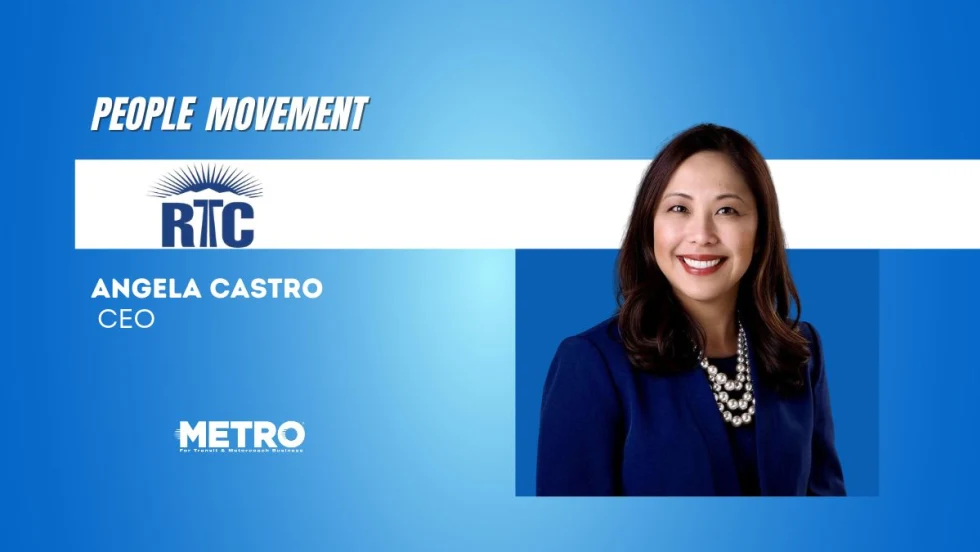
Castro to Lead RTC of Southern Nevada and More in People Movement
In this edition, we also cover recent appointments and announcements at the STV, MCI, and more, showcasing the individuals helping to shape the future of transportation.
Read More →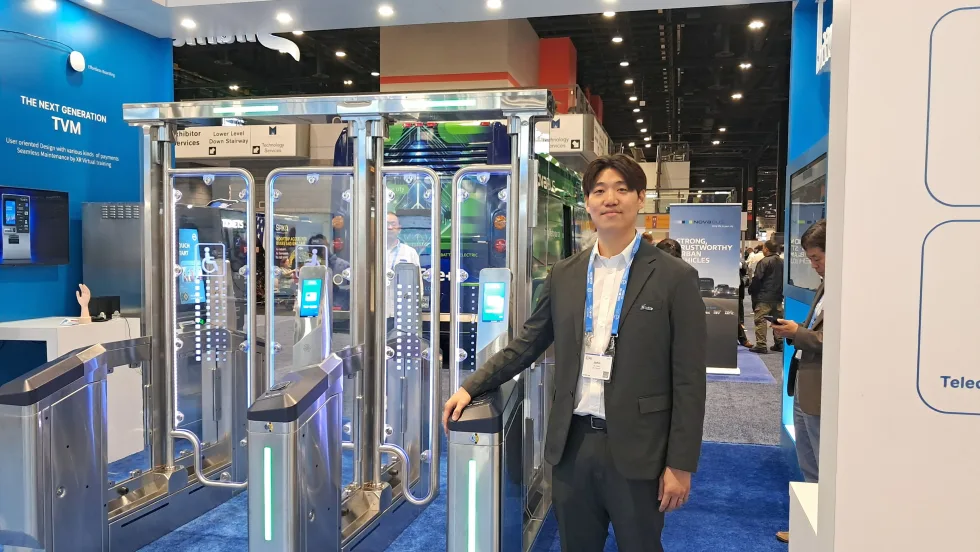
STraffic Expands North American Presence with Fare Collection Technology
John Moon, Associate Director, Product Strategy at STraffic, discusses the company's growth in North America, its efforts to reduce fare evasion, and more.
Read More →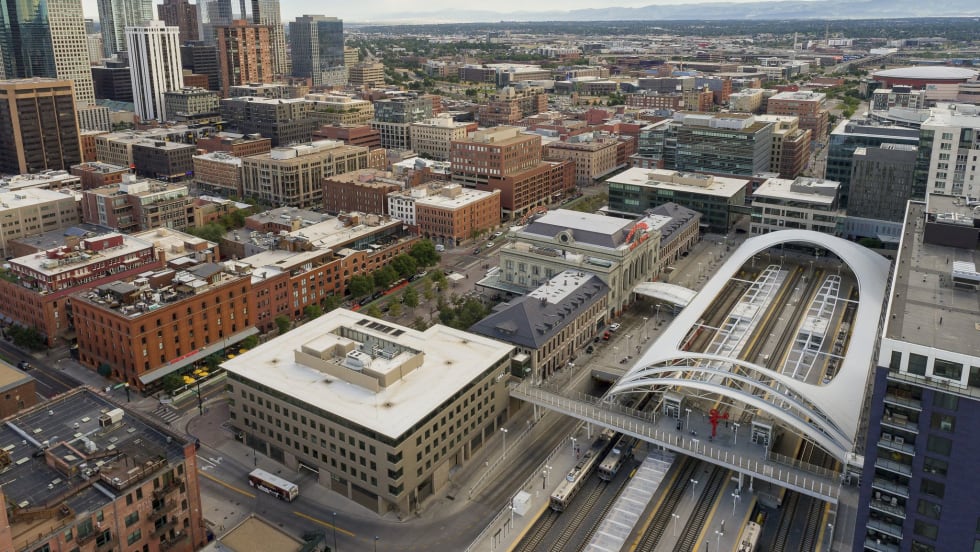
Study: Denver RTD Generates $2.1 Billion in Annual Economic Activity
An economic impact study finds the agency supports approximately 17,500 jobs, delivers $1.6 billion in annual community and mobility benefits, and generates $2.42 in economic value for every dollar invested.
Read More →
Mark Aesch Nominated to Lead Federal Transit Administration
The former Rochester transit chief and TransPro founder, who has also contributed to METRO Magazine, brings decades of industry experience and a focus on performance, accountability, and financial sustainability to the nomination.
Read More →
Best and Worst U.S. Cities for Public Transportation in 2026
A new analysis of 50 major U.S. urban areas ranks public transit systems based on accessibility, affordability, usefulness, and safety, highlighting where transit performs best and where challenges remain.
Read More →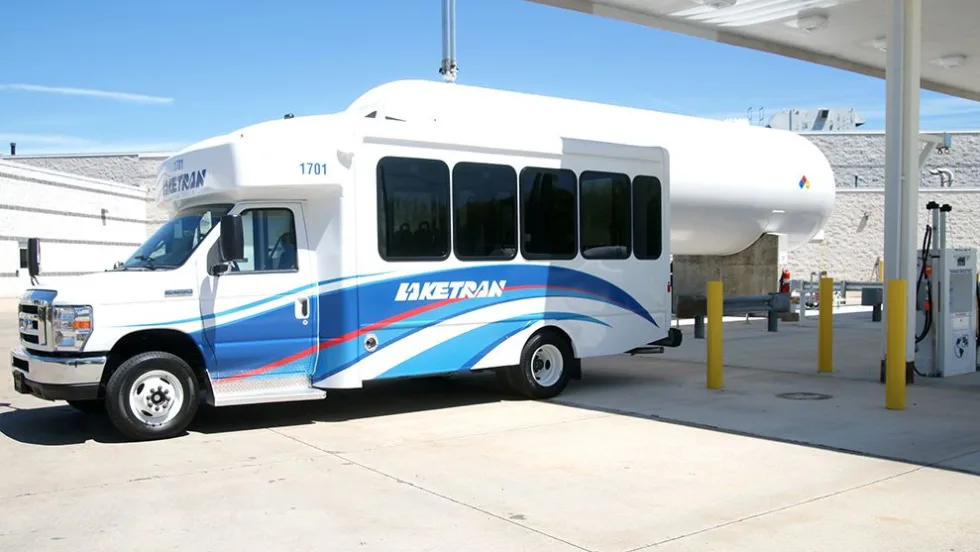
Laketran Cuts Fuel Costs, Boosts Efficiency with Propane-Powered Fleet
The Ohio transit agency is using propane-powered vehicles and on-site fueling infrastructure to cut fuel and maintenance costs while meeting growing demand for paratransit services.
Read More →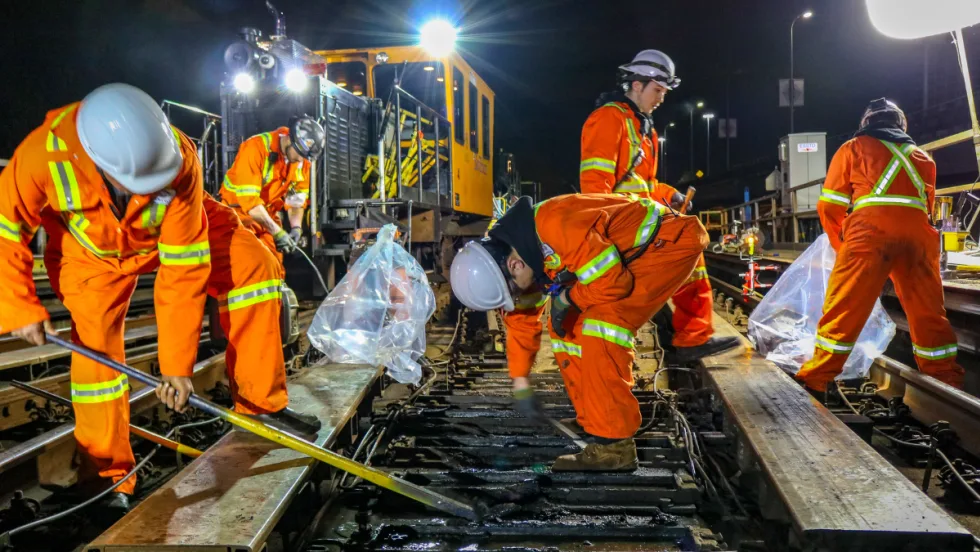
Canada’s Public Transit Supports $65.6 Billion in Annual GDP
New research from the Canadian Chamber of Commerce examines transit's economic contributions, including job creation and the financial implications of transportation investment.
Read More →
Pierce Transit Moves to Expand Fleet Following Proposition 1 Approval
The agency authorized the purchase or refurbishment of up to 60 buses to support a 47% service expansion, as voters nationwide approved billions in new transit funding.
Read More →
Right-Sizing Rural Transit: Lessons from North Grenville’s On-Demand Model
A small municipality shows how flexible service, rider needs, and public accountability can expand mobility with limited resources.
Read More →
Transit Ballot Victories Signal Strong Voter Support: What Comes Next?
Voters approved billions in public transportation investments in 2026, giving agencies opportunities to preserve service, expand operations, and strengthen regional connections amid a changing political landscape.
Read More →