




Alstom Transport and its local joint venture, Shanghai Alstom Transport Electrical Equipment Co. Ltd. (SATEE), were awarded a contract by Nanjing Metro Group to provide traction systems and associated services to the Nanjing Metro line 4 phase I project.
The contract value is approximately $36 million. The Nanjing Metro Line 4 is expected to be put into commercial operation in October 2015.
Phase I of Nanjing Metro Line 4 is about 21 miles in length and includes 18 stations. It will connect the western and eastern parts of the city and thus will play a key role in the city’s economic development.
Alstom has been cooperating with Nanjing Metro Group for more than a decade. With its involvement in six out of eight lines of Nanjing Metro, Alstom is contributing to the massive expansion of the city’s metro network.
According to the contract, Alstom and its local joint venture SATEE will provide traction systems equipped with OPTONIX, its latest technology for the Chinese market, for 174 metro cars of Nanjing metro line 4. SATEE will provide the propulsion inverter, auxiliary convertor, brake resistor, master controller and traction motor with key components provided by Alstom. Designed for metro, the system features lightweight and compact design, leading to high performance train operations.
The system will be manufactured locally by SATEE and supported by Alstom’s manufacturing facility in Charleroi in Belgium.
Alstom to supply China rail with $36M traction system
According to the contract, Alstom and its local joint venture SATEE will provide traction systems equipped with OPTONIX, its latest technology for the Chinese market, for 174 metro cars of Nanjing metro line 4.
More Rail
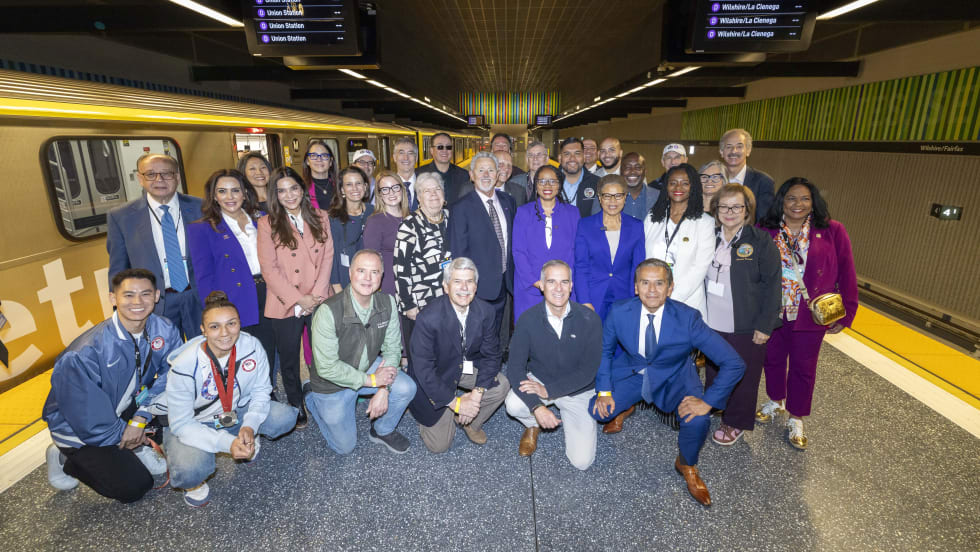
LA Metro Opens D Line Extension
The only new subway opening in the US this year, the D Line Extension represents one of Metro’s top transit priorities and a historic milestone for Los Angeles, with Sections 2 and 3 set to open in 2027.
Read More →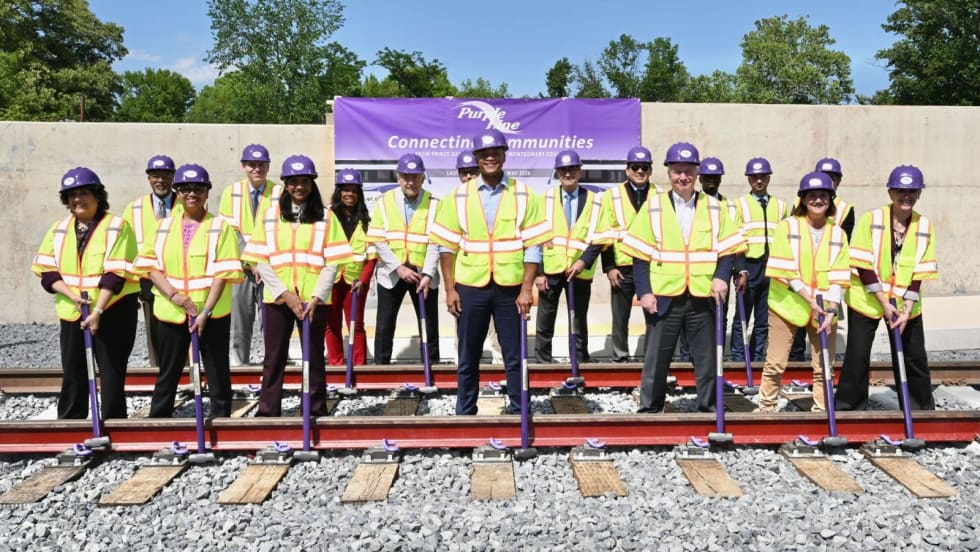
Maryland Governor Installs Final Purple Line Rail During Tour
The moment marks the completion of 193,100 feet of track linking Prince George’s and Montgomery counties.
Read More →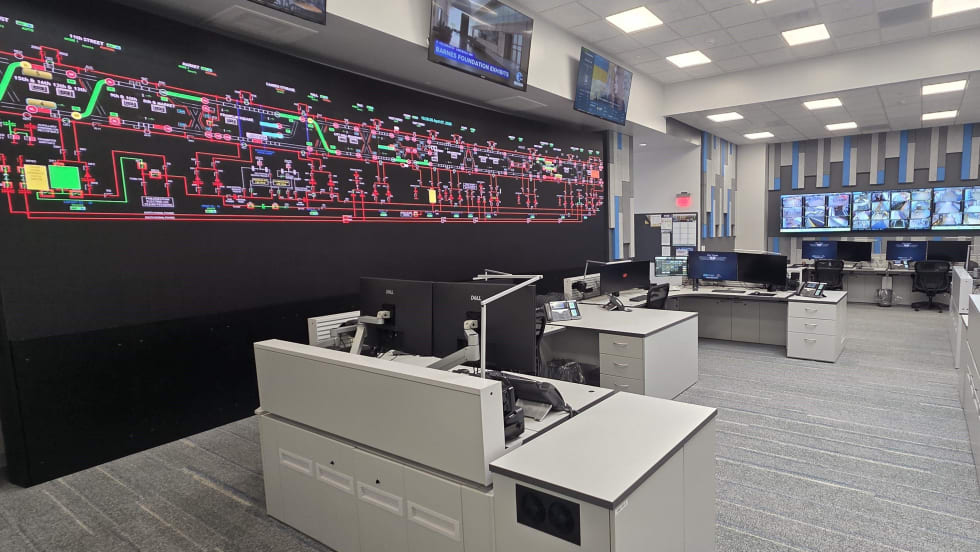
PATCO Opens New Operations Control Center
The new center serves as the central hub for monitoring and managing PATCO train operations, communications, customer service coordination, incident response, and overall operational oversight across the transit system.
Read More →
VIA Rail reports Stable Ridership, Rising Revenue Amid Ongoing Challenges
Despite these pressures, VIA Rail is reporting that total revenues increased to $514.8 million as more travelers took advantage of the wide range of options available through the corporation’s new reservation system.
Read More →
Philadelphia's SEPTA Introduces Multi-Rider Feature for Contactless Payments
Up until now, this feature was only available when using a SEPTA Key card.
Read More →
ABC Teams with Waev, Knorr-Bremse in Boston Top Biz Briefs
Stay informed with these quick takes on the projects and companies driving progress across the transportation landscape.
Read More →
New Chicago Scholarship Program Targets Student Pathways to Construction Careers
Created in partnership with Walsh-VINCI Transit Community Partners, the contractor for CTA’s historic $5.7 billion RLE project, the new $250,000 scholarship program will provide three students a year from 2026 to 2030 with $3,000 scholarships.
Read More →
Trackless Rapid Transit: Hype or Viable Option?
Steve Goodreau of WSP explores the technology’s promise, limitations and where it may fit in the evolving transit landscape.
Read More →
Operation Lifesaver Awards Rail Safety Outreach Funds in 12 States
Operation Lifesaver awarded $220,200 in grants to 12 states to support rail safety campaigns focused on grade crossing awareness and trespass prevention.
Read More →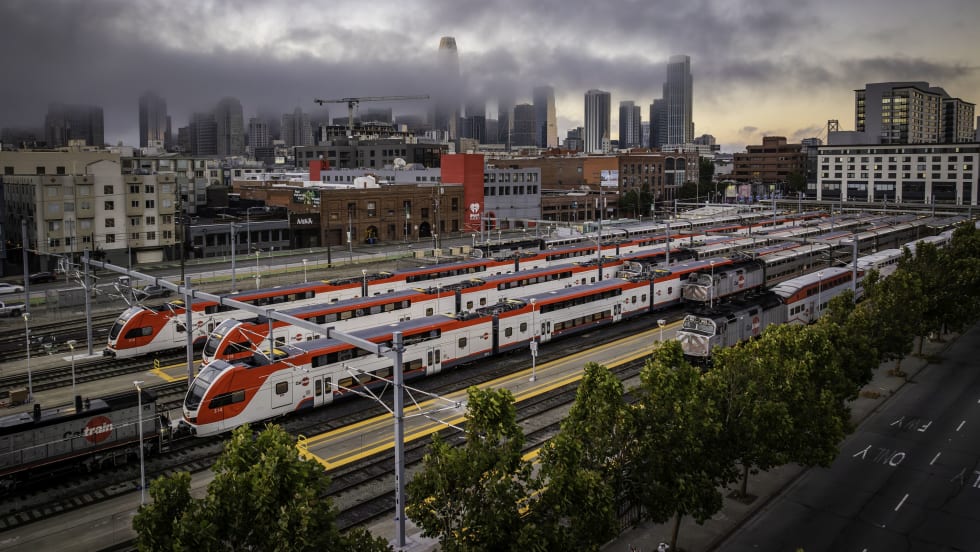
Caltrain Survey Shows Record-High Rider Approval
The survey showed that commute trips still make up the majority of ridership, with most riders boarding 2 to 3 days a week, reflecting hybrid work schedules. Two-thirds of Caltrain riders have access to a car, while 37% of Caltrain riders are considered low-income.
Read More →