



Caltrain Survey Shows Record-High Rider Approval
The survey showed that commute trips still make up the majority of ridership, with most riders boarding 2 to 3 days a week, reflecting hybrid work schedules. Two-thirds of Caltrain riders have access to a car, while 37% of Caltrain riders are considered low-income.

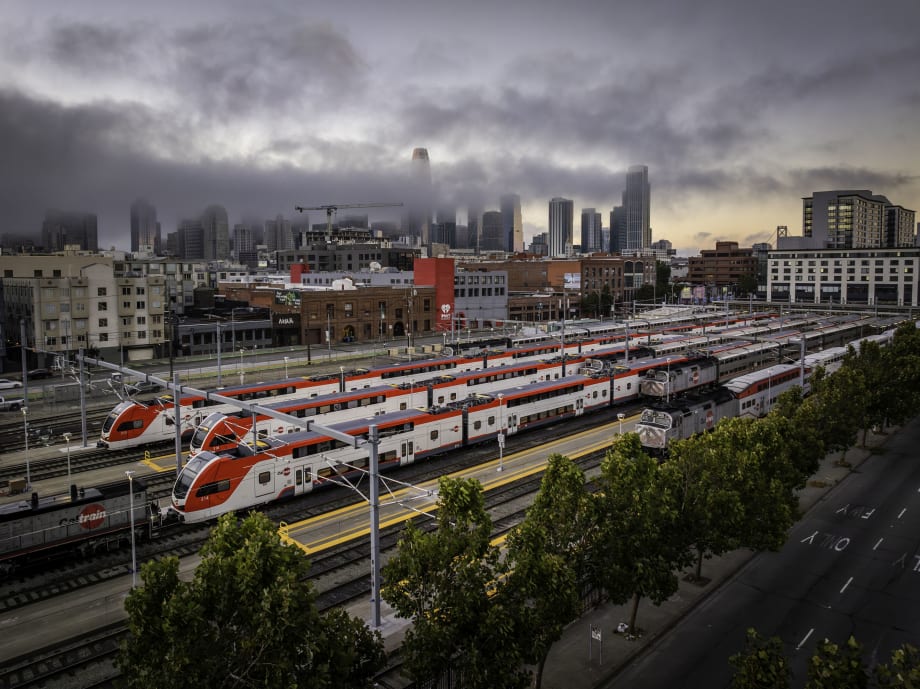
The survey showed that 33% of Caltrain riders walk to their origin station, while 18% take transit, 17% use active transportation like bikes and scooters, 17% are dropped off by car or ride-share, and 16% drive and park at their station.
Caltrain
- Commute trips continue to dominate Caltrain's ridership, with most passengers traveling 2 to 3 days weekly, aligning with hybrid work models.
- A significant portion of Caltrain users, two-thirds, have access to a car despite choosing public transit.
- 37% of riders are identified as low-income, highlighting the diverse socioeconomic background of Caltrain's users.
*Summarized by AI
Caltrain’s Technology, Operations, Planning, and Safety (TOPS) Committee heard a report on the rail agency’s 2025 Triennial Survey, which showed consistently high ratings for the faster, more frequent electrified Caltrain amongst its riders and revealed that a third of Caltrain riders are new to the system.
The survey showed that commute trips still make up the majority of ridership, with most riders boarding 2 to 3 days a week, reflecting hybrid work schedules. Two-thirds of Caltrain riders have access to a car, while 37% of Caltrain riders are considered low-income.
Customer Satisfaction Continues Climb
Customer satisfaction is up, with the current schedule being rated 4.1 out of 5, up from 3.7 in 2022. On-time performance has improved from 3.9 to 4.4, and the Overall Caltrain experience is now rated 4.5, up from 4.1 in the last survey.
Caltrain officials said the results are in line with other surveys since Caltrain launched its faster, more frequent, electrified service, indicating growing approval for the service.
The survey showed that 33% of Caltrain riders walk to their origin station, while 18% take transit, 17% use active transportation like bikes and scooters, 17% are dropped off by car or ride-share, and 16% drive and park at their station. The survey also shows growing use of Clipper, with 86% of respondents using it to pay fares, as paper ticket use has fallen.
Caltrain's Most Popular Stops
San Francisco Station remains the most popular station for both boardings (28%) and departures (19%). The other stations are spread throughout the three counties Caltrain serves, with Palo Alto (9%), San Jose Diridon (8%), Redwood City and Mountain View (5%), and Millbrae and Hillsdale (4%) in the lead for boardings and San Jose Diridon (11%), Palo Alto (10%), Mountain View and Sunnyvale (7%) and Redwood City (6%) leading for departures, said Caltrain officials.
Caltrain received 3,622 responses over four weeks last Fall, with a margin of error of +/- 1.47%, representing a 69% response rate. Caltrain uses this data to develop its service and better target promotion strategies.
Quick Answers
The primary purpose for most Caltrain riders is commuting, as commute trips still make up the majority of ridership.
*Summarized by AI
More Rail

First Full MetroLink Rail Expansion Completed in 20 Years with $192M Airport Project
The project links two St. Louis-area airports by light rail while adding roadway and bike trail connections to improve regional access and mobility.
Read More →
Utilimarc Launches SmartReplace to Optimize Fleet Replacement Decisions
AI-powered SmartReplace helps fleets prioritize vehicle replacements, model budget scenarios, and build more defensible long-term strategies.
Read More →
Scenes from APTA TRANSform & EXPO 2026
Transit leaders, manufacturers, and industry professionals gathered in Chicago to explore new technologies, share ideas, and discuss the future of public transportation.
Read More →
USDOT Awards $416 Million for Florida Rail Crossing Safety Upgrades, New Brightline Station
The projects aim to reduce risks for motorists and pedestrians at rail crossings while expanding passenger rail access along Florida’s Space Coast.
Read More →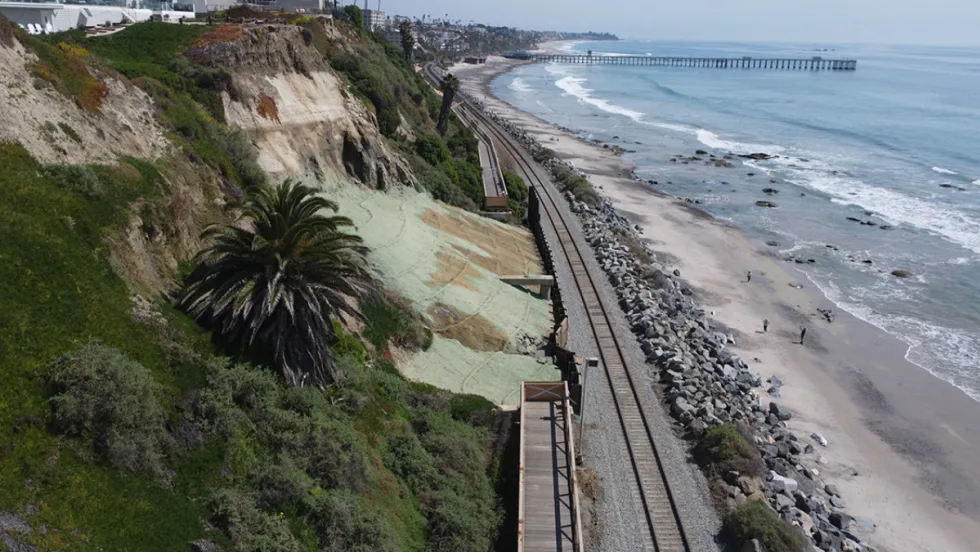
OCTA Declares Emergency to Protect Rail Corridor From Coastal Erosion
The California agency is accelerating shoreline protection and plans to place approximately 690,000 cubic yards of sand along the San Clemente coast to protect a key passenger and freight rail link.
Read More →
More Than a Summer Job: Building the Next Generation of Transit Talent
The Delaware River Port Authority and PATCO have transformed their internship program into a hands-on professional development experience that introduces students to the breadth of transportation careers — and creates a pipeline for future employees.
Read More →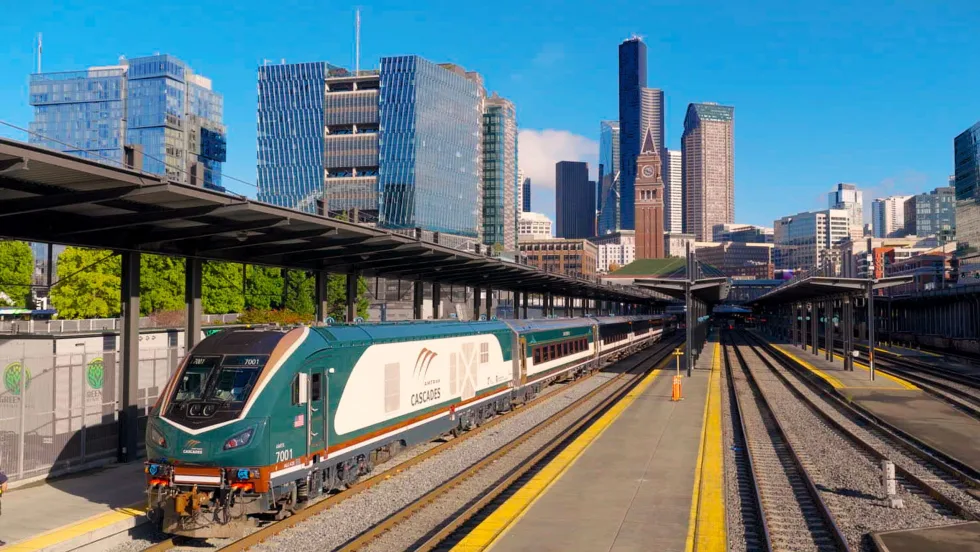
Airo Trains Make Their Amtrak Cascades Debut in the Pacific Northwest
Effective immediately, two cutting-edge Airo trainsets will join the Amtrak Cascades route, operating four daily trips between Vancouver, B.C., Seattle, Portland, and Eugene, Oregon, marking the first introduction of Airo trains into passenger service anywhere in the country.
Read More →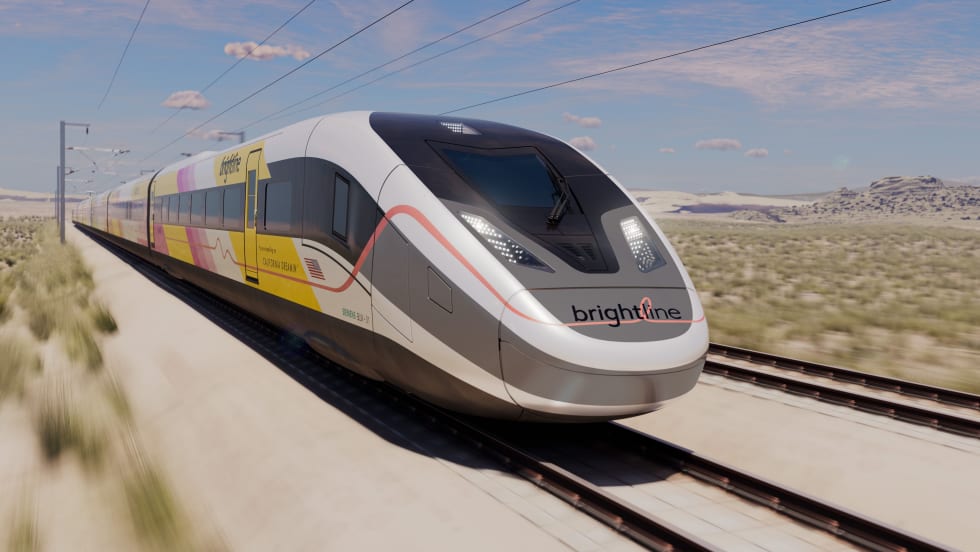
Florida's Brightline Announces Financial Restructuring
Brightline Florida says train operations will continue as normal as certain parent entities enter Chapter 11 and financial stakeholders provide $490 million in new long-term capital.
Read More →
ENC Lands MATA Contract and More in Biz Briefs
In this edition of Biz Briefs, we spotlight the latest developments shaping the future of mobility.
Read More →
Strada360’s Steve Lassey on Turning Transit Data Into Better Decisions
From breaking down data silos to preparing for AI, Strada360 CEO Steve Lassey discusses how transit agencies can use technology to improve operations, customer information, and long-term decision-making.
Read More →