



LA Metro Opens D Line Extension
The only new subway opening in the US this year, the D Line Extension represents one of Metro’s top transit priorities and a historic milestone for Los Angeles, with Sections 2 and 3 set to open in 2027.

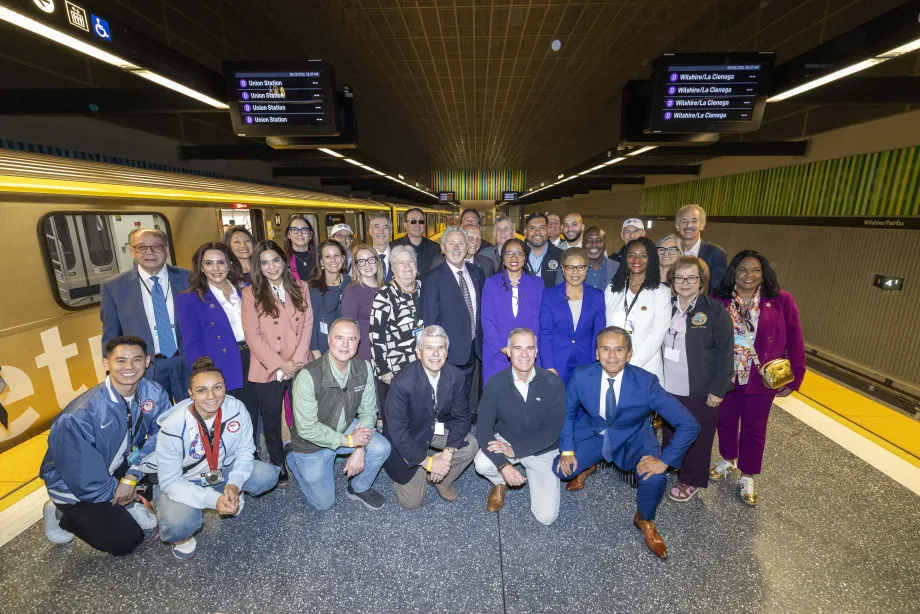
The opening of Section 1 of the D Line Extension transforms the way many riders will experience the Metro system, providing a seamless, single-seat ride from Union Station in Downtown Los Angeles to La Cienega in Beverly Hills in around 21 minutes.
LA Metro
- The D Line Extension is the only new subway opening in the United States in 2023.
- This project is a significant milestone for Los Angeles, reflecting Metro's transit priorities.
- Future expansions with Sections 2 and 3 are planned for completion in 2027.
*Summarized by AI
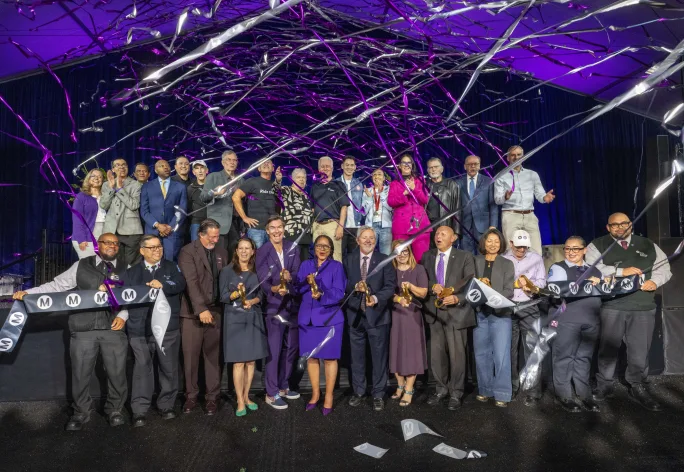
LA Metro celebrated the official opening of Section 1 of the D Line Subway Extension with a grand opening event. Riders can now go west beyond the Wilshire and Western station in Koreatown, with service to neighborhoods and communities including Hancock Park, Windsor Square, the Fairfax District, and Cathay Circle into Beverly Hills in around 21 minutes.
“LA county residents are now connected from Downtown Los Angeles to Beverly Hills with three new beautiful underground stations, making the trip through Mid-Wilshire to experience the culture, cuisine, and commerce across diverse neighborhoods faster, easier, and a lot more accessible,” said Fernando Dutra, Metro board chair. “Today, we showed what’s possible when residents, community leaders, and local, state, and federal government agencies work together in a shared vision to improve the region’s mobility.”
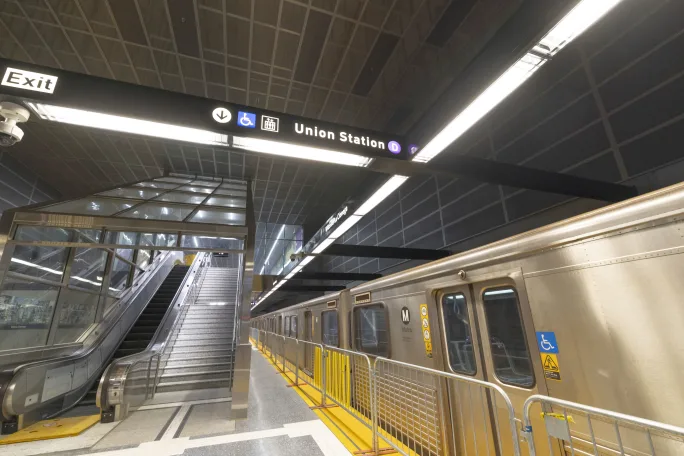
As with previous construction projects, Section 1 of the D Line Extension was designed and built with community input and local voices, LA Metro officials said.
LA Metro
LA’s New D Line Extension
The only new subway opening in the US this year, the D Line Extension represents one of Metro’s top transit priorities and a historic milestone for Los Angeles, with Sections 2 and 3 set to open in 2027.
The opening of Section 1 of the D Line Extension transforms the way many riders will experience the Metro system, providing a seamless, single-seat ride from Union Station in Downtown Los Angeles to La Cienega in Beverly Hills in around 21 minutes.
Riders will now have access to three new underground stations: Wilshire/La Brea, Wilshire/Fairfax, and Wilshire/La Cienega.
The new Metro stations themselves are the newest museum destinations to join Museum Row. Riders will be greeted by large-scale, architecturally integrated artworks by renowned contemporary artists. Artworks were commissioned by the agency’s Metro Art program, which worked closely with curators from leading Los Angeles museums and cultural organizations.
The full D Line Extension will be a critical connection for the 2028 Olympic and Paralympic Games, with stops in Westwood and the athlete village at UCLA.
Every day for the next 90 days, Metro will activate these new stations with more than 100 experiences, welcoming riders into three distinct neighborhoods through local pop-up coffee carts, boutique vendors, weekly farmers markets, dance classes, and more.
Continuing a Metro tradition, limited-edition TAP cards have also been created to reflect the unique culture and character of the communities surrounding each station.
Section 1 of the D Line Extension was funded primarily by Metro’s 2008 Measure R transportation sales taxes.
LA Metro
Constructing the D Line Extension
As with previous construction projects, Section 1 of the D Line Extension was designed and built with community input and local voices, LA Metro officials said.
In addition, the project benefited from Metro’s board-approved small business mitigation programs: the Business Interruption Fund, which provides financial assistance to businesses located along project corridors, and Eat Shop Play, which provides marketing assistance. Both helped support small businesses in the areas along this project during construction.
The Business Interruption Fund awarded 465 grants to 122 small businesses across Section 1 totaling more than $14 million, and the Eat Shop Play program provided free marketing assistance to 52 businesses, officials said.
“Today’s opening is a transformative moment for Los Angeles, and a clear demonstration of what sustained investment in public transit can deliver for our region,” said Metro CEO Stephanie Wiggins. “Riders can get from DTLA to Beverly Hills in 21 minutes, and we’re not stopping here. With Sections 2 and 3 on track to reach Century City and Westwood next year, we’re building a world-class transit system that will serve Angelenos for generations to come and help prepare our city for the global stage. This is a clear example of the Olympics legacy already in motion.”
Section 1 of the D Line Extension was funded primarily by Metro’s 2008 Measure R transportation sales taxes. Local sales tax funding also secured federal matching funds, including $1.25 billion in FFGA, $66.4 million in supplemental New Starts, $12.7 million in CMAQ funding, and a $749.3 million TIFIA loan in May 2014.
Quick Answers
The D Line Extension is a significant milestone as it represents one of LA Metro's top transit priorities and is the only new subway opening in the US this year, highlighting its importance for Los Angeles.
*Summarized by AI
More Rail

ENC Lands MATA Contract and More in Biz Briefs
In this edition of Biz Briefs, we spotlight the latest developments shaping the future of mobility.
Read More →
Strada360’s Steve Lassey on Turning Transit Data Into Better Decisions
From breaking down data silos to preparing for AI, Strada360 CEO Steve Lassey discusses how transit agencies can use technology to improve operations, customer information, and long-term decision-making.
Read More →
SEPTA Details Accelerate Vision for Transit System
The plan outlines investments in trolley modernization, new Metro and Regional Rail vehicles, accessible stations, and more frequent bus and rail service.
Read More →
FTA Ends Direct Oversight of MBTA Safety Actions
The federal agency closed its remaining special directive to the Massachusetts Department of Public Utilities following a safety review that began in 2022.
Read More →
Amtrak, CN Reach Agreements to Strengthen Passenger Rail Service, Safety
The agreement resolves a more than decade-long proceeding before the Surface Transportation Board concerning the terms and conditions for Amtrak services, such as the City of New Orleans, Illini/Saluki, and Wolverine.
Read More →
New York MTA Advances Final Contract for Second Avenue Subway Expansion
Contract Four is the largest in the Second Avenue Subway Phase 2 project and includes construction of station infrastructure, tracks, and signals for the subway expansion, MTA officials said. Work on Contract Four will begin in 2027.
Read More →
San Diego MTS Breaks Monthly Trolley Ridership Record
Agency officials said July’s ridership indicates MTS’s continued recovery from the pandemic.
Read More →
Report Examines NJ TRANSIT Reliability, Funding Challenges
The Garden State Initiative analysis examines the roles of Amtrak infrastructure, fleet management, and agency operations while recommending a more performance-based approach to improving reliability.
Read More →
Stadler, CapMetro Sign Long-Term Rail Fleet Support Agreement
Beginning in 2027, Stadler will provide on-site technical expertise, spare parts support, training, and obsolescence management to help extend the reliability and longevity of CapMetro’s GTW fleet.
Read More →
Biz Briefs: Alstom Lands Canadian Contract, LYT to Supply California TSP, and More
In METRO's latest installment, we take a look at recent news from Complete Coach Works, Beep, FlixBus, and more partnerships making headlines across the transportation sector.
Read More →