



“Coming together as multiple agencies facilitates coordination, whether it’s for procurement, planning, or service delivery.”
Agency partners add mobile ticketing through unique procurement model
EZfare enables passengers to access an account-based fare collection system for multiple transit agencies and receive electronic transfers.
by Alex Roman, Managing Editor
March 24, 2020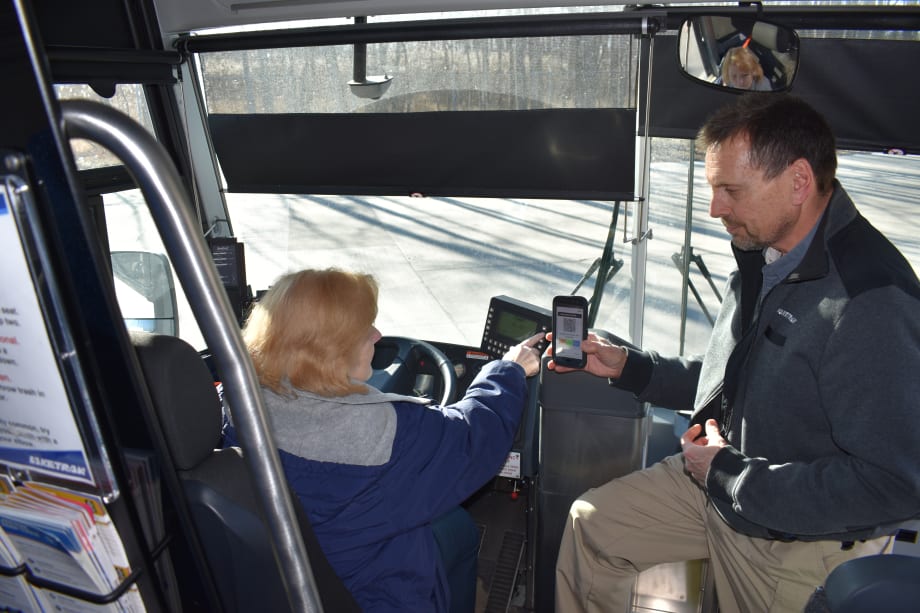
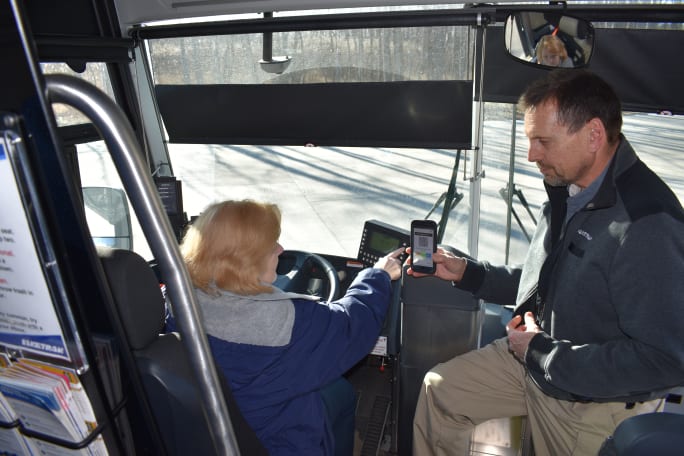
EZfare is available in both the iOS and Android app stores, with customers simply having to download the app and choose which agency they ride with to view their fare payment structure.
Laketran
4 min to read
EZfare is available in both the iOS and Android app stores, with customers simply having to download the app and choose which agency they ride with to view their fare payment structure. Laketran
Late last year, NEORide, a council of governments comprised of 14 transit systems, teamed with Masabi to launch EZfare — a cashless, multi-app fare payment solution that will make riding public transit across agencies and states easier and more convenient.
Based on Masabi’s Software-as-a-Service Justride platform, EZfare enables passengers to access an account-based fare collection system for multiple transit agencies and receive electronic transfers. The app eliminates the need to carry cash or purchase multiple tickets/passes at every transfer location. Passengers can pay for tickets using a credit or debit card, or via various digital wallets. Tickets are then stored in the app’s secure “ticket wallet.” The system is also designed specifically to be used on the go, meaning, once a ticket is purchased it is available even without an internet connection, so riders are always able to travel.
Collective benefits
This unique model established with NEORide covers 14 transit agencies in the Ohio and Northern Kentucky regions, including Akron METRO, SARTA, TANK, Laketran, and the Cincinnati Bell Connector streetcar system. The group was formed, in part, to eliminate some of the barriers of using public transportation.
“The easier it is to ride the bus, the better,” said Ben Capelle, CEO of Laketran. “And coming together as multiple agencies facilitates coordination, whether it’s for procurement, planning, or service delivery. So working together makes it easier for us and the customer and allows the opportunity to attract the attention of other agencies who want to partner with us.”
NEORide owns the app and did the procurement, with all the typical federal clauses, but any agency that is part of, or joins the group at a later date, can access EZfare.
“We did the procurement intentionally so people could come and go to take advantage of the app and not have to be an original partner and have all kinds of complicated procurement issues,” said Capelle. “The way it was set up really facilitated what we have now.”
EZfare is available in both the iOS and Android app stores, with customers simply having to download the app and choose which agency they ride with to view their fare payment structure. The app also enables cross-system transfers not only in areas like Cincinnati where multiple agencies are providing different services, but also to destinations throughout the state.
“Now medium and even small transit systems, who may never be able to afford this technology on their own, have access just like the bigger transit systems,” said Capelle. “For instance, Sandusky Transit isn’t a big transit agency, but they have many visitors come to town to visit Cedar Point Amusement Park. And when they do, it’s that much easier for them to be able to use public transit to get there.”
NEORide is also continuing to partner with other apps like Transit, Uber, and Moovit to continue to make using public transportation easier.
Streamline system
Capelle added that within the first six months since the app was launched, Laketran sold 20,000 passes, with that number continuing to grow. In fact, for an express service Laketran runs to Cleveland, over 50% of the agency’s fares are paid for through the app.
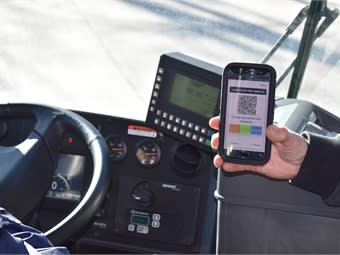
With EZfare in use, NEORide is focused on installing validators on all fixed-route buses, which will streamline the mobile ticketing system by allowing passengers to scan a barcode on their mobile device to pay their fare. The group won a $3.3 million grant from the Ohio Department of Transportation to pay for and install the validators last October.
NEORide is also continuing to partner with other apps like Transit, Uber, and Moovit to continue to make using public transportation easier, as well as more attractive to those in the community who currently don’t utilize the services available in their area.
Ultimately, Capelle said it would be great for the entire state to sign on to NEORide and hopefully be able to make use of aggregated data for the whole state, which then allow cities to better understand travel patterns and better plan the services they provide.
Subscribe to Our Newsletter
More Technology

From Hardware to Digital Partner: Luminator Charts Its Next Chapter
CEO Magnus Friberg discusses Luminator’s shift toward becoming a digital partner, the growing importance of software and interoperability, and how AI can help agencies improve operations and passenger experience.
Read More →
Beyond the Checklist: A Structured Approach to Transit Maintenance
Reliability-Centered Maintenance helps transit agencies move beyond routine checklists to focus limited resources on the assets and failures that have the greatest impact on safety, reliability, and service.
Read More →
NJ TRANSIT Advances Bus Technology Upgrades Across Statewide Fleet
More than 1,500 buses now feature upgraded technology designed to improve arrival predictions and provide free Wi-Fi, with deployment expected to reach nearly 2,000 buses by the end of 2026.
Read More →

Building a Flexible Path to Transit Electrification
John Hroncich discusses BAE Systems’ modular and scalable approach, lessons learned from decades of real-world operations, and how agencies can identify electrification strategies that fit their fleets.
Read More →
Biz Briefs: Alstom Lands Canadian Contract, LYT to Supply California TSP, and More
In METRO's latest installment, we take a look at recent news from Complete Coach Works, Beep, FlixBus, and more partnerships making headlines across the transportation sector.
Read More →
Sponsored•September 8, 2026
From Legacy Silos to Conversational Intelligence
What if transit leaders could ask any operational question and get a trusted answer in seconds? Conversational AI is transforming how agencies use their data.
Read More →
USDOT Announces Rail Vehicle Replacement Grants, Chattanooga AV Shuttle Funding
More than $191 million in federal funding will help three transit agencies replace aging rail vehicles and support a new autonomous shuttle service in Chattanooga.
Read More →
Bus Tech Talk: Keeping Transit Technicians Ahead of the Technology Curve
LA Metro’s Obed Mejia discusses technician training, evolving maintenance technology, fleet replacement, and strategies for getting the most out of today’s transit fleets.
Read More →
Biz Briefs: RIPTA Unveils New Frontrunners, Clevland RTA Adds New Siemens, and More
In METRO's latest installment, we take a look at recent news from Siemens, Prevost, Dodge, and more partnerships making headlines across the transportation sector.
Read More →
Why Simulating Pedestrian Movement Has Become Essential for Modern Rail Stations
Pedestrian microsimulation is helping rail planners identify bottlenecks, test station designs, and prepare complex transit hubs for growing passenger volumes.
Read More →