



Santa Barbara switches bus fleet to renewable diesel
Different from biodiesel, the fuel is refined from a mix of more than 10 different wastes and residues and various vegetable oils.


MTD's transition to renewable diesel speeds up a reduction in emissions fleetwide, and takes the opportunity to green the remaining diesel fleet.
Santa Barbara MTD
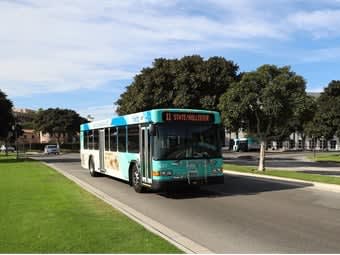
MTD's transition to renewable diesel speeds up a reduction in emissions fleetwide, and takes the opportunity to green the remaining diesel fleet.
Santa Barbara MTD
Calif.’s Santa Barbara MTD has stopped purchasing petroleum diesel and will now fuel the agency’s diesel fleet with renewable diesel (RD). The transition requires no infrastructure changes and the new fuel can be dispensed into the same tank that held the old fuel.
Different from biodiesel, renewable diesel is refined from a mix of more than 10 different wastes and residues and various vegetable oils. Around 92% of the fuel comes from a combination of used cooking oil, waste animal fat, waste fish fat, and residue oils. Renewable diesel is odorless and emits 33% lower fine particulates that aggravate asthma.
While not zero-emission, renewable diesel represents an 80% reduction in emissions and carbon intensity from petroleum diesel. The carbon intensity of renewable diesel is about one-third of that of a battery-electric vehicle charging on the California grid.
Santa Barbara MTD’s Board of Directors set a goal in November 2018 to transition the entire MTD fleet to 100% battery-electric by 2030. The transition to renewable diesel speeds up a reduction in emissions fleetwide, and takes the opportunity to green the remaining diesel fleet.
More Bus
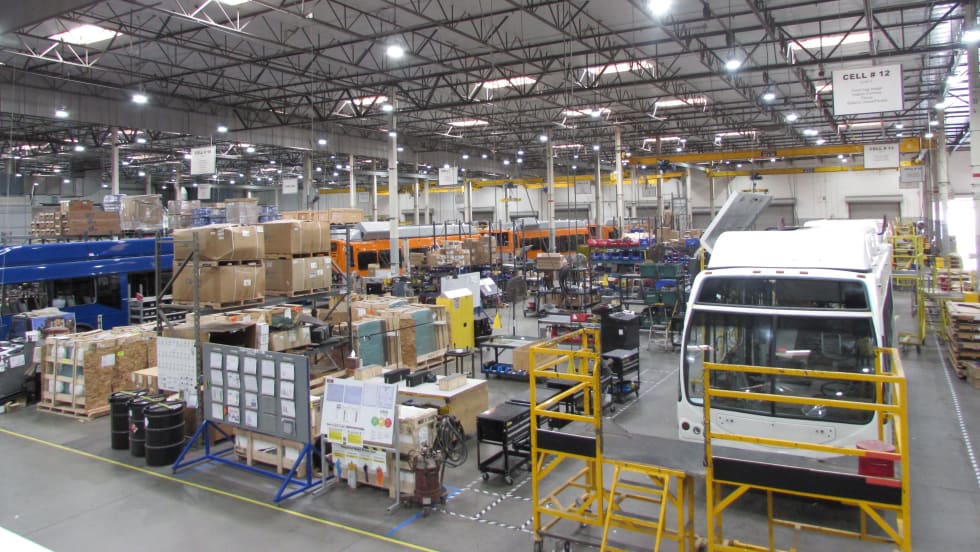
LA Metro Board Awards 220 Battery-Electric Bus Contract to ENC
The contract, which is the largest base award of battery-electric buses by a U.S. transit agency, will be built in Southern California, sustaining good jobs as LA prepares to welcome the world in 2028
Read More →
Public Transit Conference Returning to GFX in 2027, Call for Papers Now Open
The Call for Papers is now open, allowing transit agency professionals and industry experts to help shape the PTC educational program by submitting session ideas for consideration.
Read More →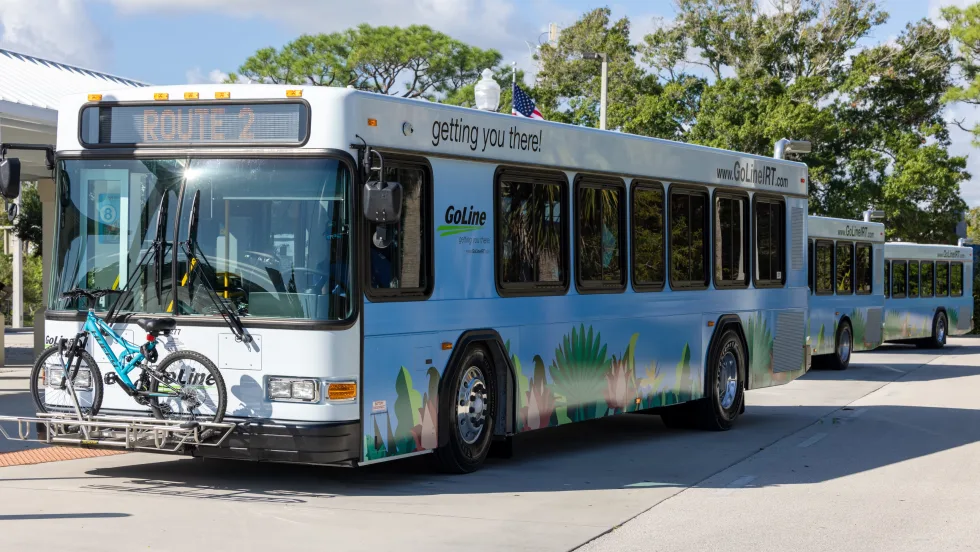
Indian River Transit’s Community-Focused Approach Earns National Recognition
Named APTA’s 2026 Outstanding Public Transportation System in its size category, Florida’s Indian River County transit system continues to grow ridership through fare-free service and a focus on evolving community needs.
Read More →
ENC Lands MATA Contract and More in Biz Briefs
In this edition of Biz Briefs, we spotlight the latest developments shaping the future of mobility.
Read More →
From Surviving to Thriving: Building Stronger Transportation Organizations
Bus Business Consultants founder Brian Dickson shares lessons on leadership, organizational health, and creating options for long-term success in a changing transportation industry.
Read More →
Everett Transit, Community Transit Outline Consolidation Agreement
The proposed agreement calls for a 50% increase in bus service in Everett, a new microtransit zone, continued paratransit service, and the transfer of Everett Transit operations to Community Transit.
Read More →
SEPTA Details Accelerate Vision for Transit System
The plan outlines investments in trolley modernization, new Metro and Regional Rail vehicles, accessible stations, and more frequent bus and rail service.
Read More →
Report: Transit Bus Manufacturing Supports 34,100 Jobs, $5.1B in GDP
The “Buses Mean Business” report examines the transit bus manufacturing industry’s economic footprint, supply chain, and rising demand for vehicle replacements.
Read More →
Biz Briefs: New Flyer Delivers in Columbus, Houston, Beep and Freebee Merge, and More
In this edition of Biz Briefs, we spotlight the latest developments shaping the future of mobility.
Read More →
People Movement: Dan Dipert Coaches Adds Third-Generation Leader, Keolis Names New Valley Metro VP/GM, and More
In this edition, we also cover recent appointments and announcements at the Wabtec, SilverRide, HNTB, and more, showcasing the individuals helping to shape the future of transportation.
Read More →