



Tri Delta Transit switches bus fleet to renewable diesel
Neste MY Renewable Diesel is a drop-in alternative to petroleum diesel and is distributed via the same fuel infrastructure.

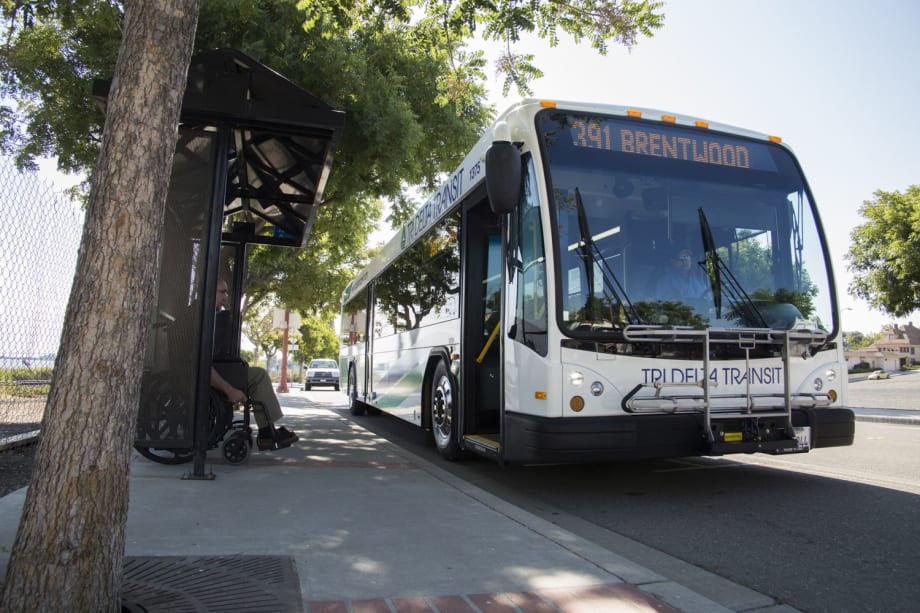
Tri Delta Transit provides over 3,000,000 trips each year to a population of more than 250,000 residents in the 225 square miles of Eastern Contra Costa County, Calif. Photo: Tri Delta Transit/Facebook
Tri Delta Transit provides over 3,000,000 trips each year to a population of more than 250,000 residents in the 225 square miles of Eastern Contra Costa County, Calif. Photo: Tri Delta Transit/Facebook
Tri Delta Transit, an Eastern Contra Costa County Transit Authority in California, has switched their entire fleet of transit buses from operating on petroleum diesel to using only renewable diesel.
Neste MY Renewable Diesel is a low-carbon fuel, produced from 100% renewable and sustainable raw materials. This fuel cuts greenhouse gas emissions by up to 80% and significantly reduces tailpipe emissions, all while enhancing fleet performance. Neste MY Renewable Diesel is a drop-in alternative to petroleum diesel and is distributed via the same fuel infrastructure.
Tri Delta Transit provides over 3,000,000 trips each year to a population of more than 250,000 residents in the 225 square miles of Eastern Contra Costa County. They operate 14 local bus routes Monday through Friday, four local bus routes on weekends, door-to-door bus service for senior citizens and people with disabilities, and shuttle services to community events.
In addition, the company reports that complaints about engine smoke have been totally eliminated even from the older vehicles in the fleet. Tri Delta's 3,000,000 trips a year are now more sustainable and more rider-friendly because there's no smoke and fuel odor, eliminated by switching to renewable diesel.
"Since changing fuels, we have received zero complaints from drivers regarding vehicle power and reliability, and there has been no change to routine maintenance," said Kevin Moody, maintenance director at Tri Delta Transit. Moody added that none of the drivers were told of the switch to renewable diesel and none of them noticed any difference at all.
More Bus

People Movement: Dan Dipert Coaches Adds Third-Generation Leader, Keolis Names New Valley Metro VP/GM, and More
In this edition, we also cover recent appointments and announcements at the Wabtec, SilverRide, HNTB, and more, showcasing the individuals helping to shape the future of transportation.
Read More →
New York MTA Plans Largest Bus Fleet Upgrade in More Than a Decade
The agency is seeking manufacturers for 650 new CNG buses to replace aging vehicles, improve reliability, and advance its broader fleet modernization strategy.
Read More →
Building a Flexible Path to Transit Electrification
John Hroncich discusses BAE Systems’ modular and scalable approach, lessons learned from decades of real-world operations, and how agencies can identify electrification strategies that fit their fleets.
Read More →
Bus Tech Talk: Keeping Transit Technicians Ahead of the Technology Curve
LA Metro’s Obed Mejia discusses technician training, evolving maintenance technology, fleet replacement, and strategies for getting the most out of today’s transit fleets.
Read More →
Biz Briefs: RIPTA Unveils New Frontrunners, Clevland RTA Adds New Siemens, and More
In METRO's latest installment, we take a look at recent news from Siemens, Prevost, Dodge, and more partnerships making headlines across the transportation sector.
Read More →
People Movement: Holly Arnold Joins Transdev and More
In this edition, we also cover recent appointments and announcements at Pace, CamTran, MCI, and more, showcasing the individuals helping to shape the future of transportation.
Read More →
The High Cost of Transit Buses: Industry Leaders Look to Procurement Reform
Transit leaders and policymakers examine how standardized bus designs, streamlined procurement, and predictable funding could help agencies stretch budgets and deliver better service.
Read More →
The Business Voice Behind Public Transportation
As chair of APTA’s Business Members Board of Governors, Ray Melleady explains how more than 850 business members are partnering with transit agencies to advance funding, innovation, and industry-wide collaboration.
Read More →
From Surviving to Thriving: Building Stronger Transportation Organizations
Bus Business Consultants founder Brian Dickson shares lessons on leadership, organizational health, and creating options for long-term success in a changing transportation industry.
Read More →
Finding the ‘Happy Medium’: Optimizing Maintenance Without Sacrificing Reliability
The key to maintenance optimization isn’t doing less work—it’s doing the right work at the right time on the right assets.
Read More →