



FTA makes $25B available to aid public transit during COVID-19
Funding will be provided at a 100% Federal share, with no local match required, and will be available to support capital, operating, and other expenses.

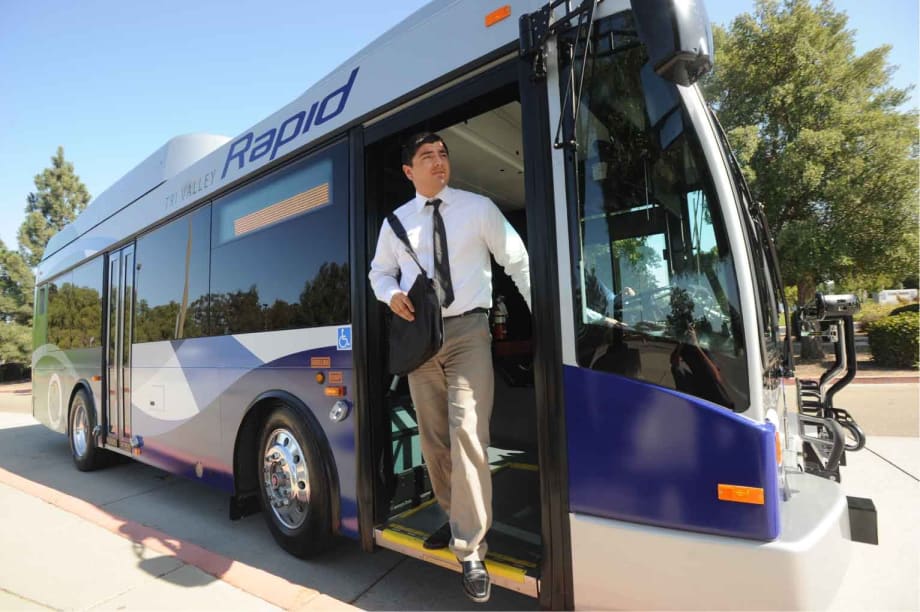
FTA is allocating $25 billion to recipients of urbanized area and rural area formula funds, with $22.7 billion allocated to large and small urban areas and $2.2 billion allocated to rural areas.
LAVTA
FTA is allocating $25 billion to recipients of urbanized area and rural area formula funds, with $22.7 billion allocated to large and small urban areas and $2.2 billion allocated to rural areas. LAVTA
The Federal Transit Administration (FTA) announced a total of $25 billion in Federal funding allocations to help the nation’s public transportation systems respond to the Coronavirus Disease 2019 (COVID-19). Funding is provided through the Coronavirus Aid, Relief, and Economic Security (CARES) Act, signed by the President March 27.
FTA is allocating $25 billion to recipients of urbanized area and rural area formula funds, with $22.7 billion allocated to large and small urban areas and $2.2 billion allocated to rural areas. Funding will be provided at a 100% Federal share, with no local match required, and will be available to support capital, operating, and other expenses generally eligible under those programs to prevent, prepare for, and respond to COVID-19.
Further, operating expenses incurred beginning on Jan. 20 for all rural and urban recipients, even those in large urban areas, are also eligible, including operating expenses to maintain transit services as well as paying for administrative leave for transit personnel due to reduced operations during an emergency. Answers to Frequently Asked Questions about this funding are available on FTA’s website.
“We know that many of our Nation’s public transportation systems are facing extraordinary challenges and these funds will go a long way to assisting our transit industry partners in battling COVID-19,” said FTA Acting Administrator K. Jane Williams. “These Federal funds will support operating assistance to transit agencies, including those in large urban areas as well as pay transit workers across the country not working because of the public health emergency.”
In addition to the $25 billion funding allocation, FTA has taken a number of steps to support the transit industry during the public health emergency, including expanding the eligibility of Federal assistance available under FTA’s Emergency Relief Program to help transit agencies respond to COVID-19 in states where the Governor has declared an emergency. All transit providers, including those in large urban areas, can now use Federal formula funds under the Urbanized Area Formula Program and Formula Grants for Rural Areas Program for emergency-related capital and operating expenses. This includes the provision of personal protective equipment or special-purpose trips.
FTA also established an Emergency Relief docket that allows transit providers in states where the Governor has declared an emergency related to COVID-19 to request temporary relief from Federal requirements under 49 U.S.C. Chapter 53 as well as any non-statutory FTA requirements.
Additionally, FTA recently announced it would provide a 30-day extension of the deadline for current competitive grant program funding opportunities, including: FTA’s Grants for Buses and Bus Facilities Program; Passenger Ferry Grant Program; Accelerating Innovative Mobility Challenge Grants; and Helping Obtain Prosperity for Everyone Program.
The U.S. Department of Transportation is working closely with the Centers for Disease Control and Prevention and other Federal partners to provide guidance to the public transportation industry in response to COVID-19.
More Management

LIT Marks 10-Year Milestone at Annual Summit
Hosted by the COTA from September 10 to 13, the Summit carried the theme “Celebrating 10 Years of Excellence, Leadership, and Impact,” with every part of the program honoring the people, agencies, and partners who built LIT over its first decade.
Read More →
People Movement: Dan Dipert Coaches Adds Third-Generation Leader, Keolis Names New Valley Metro VP/GM, and More
In this edition, we also cover recent appointments and announcements at the Wabtec, SilverRide, HNTB, and more, showcasing the individuals helping to shape the future of transportation.
Read More →
METRO Opens Submissions for 2026 Motorcoach Awards
Nominations are now being accepted for METRO Magazine’s Operator of the Year and Innovative Operator of the Year awards.
Read More →

New York MTA Advances Final Contract for Second Avenue Subway Expansion
Contract Four is the largest in the Second Avenue Subway Phase 2 project and includes construction of station infrastructure, tracks, and signals for the subway expansion, MTA officials said. Work on Contract Four will begin in 2027.
Read More →
Transit Agencies Highlight Safety Gains at National Summit
Leaders from 15 major transit systems shared crime-reduction results and safety initiatives while discussing the role of continued federal support.
Read More →
NITA Names New Leadership, Expands Reduced-Fare Program at First Board Meeting
The new regional transit authority appointed its first board chair and interim executive director while extending reduced fares across CTA, Metra, and Pace for eligible riders.
Read More →
Beyond the Checklist: A Structured Approach to Transit Maintenance
Reliability-Centered Maintenance helps transit agencies move beyond routine checklists to focus limited resources on the assets and failures that have the greatest impact on safety, reliability, and service.
Read More →
APTA 2026 Nominating Committee Selects Leadership Slate, Names Chair and Vice Chair Nominees
Leadership changes will help shape the association’s priorities and its representation of the transportation industry during the 2026–2027 term.
Read More →
DART Launches Major Security, Fare Enforcement Initiative
The 90-day demonstration will deploy coordinated security teams at five light rail stations while testing controlled access and gathering data to guide future investments.
Read More →
Advancing Fare Collection Through Technology and Innovation
Learn about delivering 1300 gates at 91 stations while managing fare evasion. Explore the large scale deployment, solution customization and real-world results that affect the region. Prepare for deployment in your region now.
Read More →