



SFMTA Issues RFQ for Next Phase of Mixed-Use Bus Yard
The first-in-the-nation mixed-use bus yard will not only store and maintain 213 buses, increasing capacity by approximately 50%, it will also include up to 575 rental units of housing with an initial affordability target of 50%.
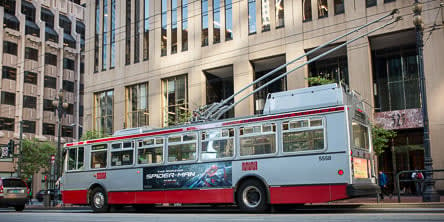
The innovative project will replace the obsolete bus facility and yard with a modern, three-story bus maintenance and storage garage, equipped to serve the SFMTA’s fleet as it grows and transitions to battery-electric vehicles.
SFMTA
The San Francisco Municipal Transportation Agency (SFMTA) released the Request for Qualifications (RFQ) for the Potrero Yard Modernization Project — an innovative project that will replace the obsolete bus facility and yard with a modern, three-story bus maintenance and storage garage, equipped to serve the SFMTA’s fleet as it grows and transitions to battery-electric vehicles.
It will also enable more efficient trolley bus maintenance, enhance the agency’s resilience to climate change and natural disasters, and ensure that SFMTA staff are able to perform their work with enhanced safety and efficiency measures.
“Potrero Yard is our second oldest bus yard in the Muni system and prior to Covid-19 carried 14% of our total ridership,” said Director of Transportation Jeffrey Tumlin. “Rebuilding the yard is not only important for keeping our buses running now and into the future, but also for realizing an incredible opportunity to support the city’s housing and affordable housing goals above the yard.”
The first-in-the-nation mixed-use bus yard will not only store and maintain 213 buses, increasing capacity by approximately 50%, it will also include up to 575 rental units of housing with an initial affordability target of 50%. The city’s commitment to addressing a citywide shortage of affordable housing means this project also challenges potential developers to seek additional funds to maximize the affordability percentage, even up to 100% affordable.
The facility will include the following features:
LEED Gold Certification
Built to an elevated structural and seismic standard
Infrastructure for battery-electric buses
Centralized location for Street Operations — Muni’s “first responders”
Centralized, modern space for Muni operator training
Ground floor active uses on Bryant and possibly 17th streets
The RFQ initiates the process to select a developer partner to design and build the project. The RFQ process will evaluate the qualifications of proposed project teams and determine up to three top responders based on an evaluation of relevant experience and qualifications. The top responders will then be invited to submit a full proposal through a subsequent Request for Proposals (RFP) process that will be issued in early 2021. The city strongly encourages all potential respondents to elevate the participation and contribution of Black, Indigenous, and People of Color (BIPOC) and underrepresented voices as teams are formed. Respondent teams should reflect the racial and ethnic diversity of San Francisco and participation of underrepresented communities.
More Bus

New York MTA Plans Largest Bus Fleet Upgrade in More Than a Decade
The agency is seeking manufacturers for 650 new CNG buses to replace aging vehicles, improve reliability, and advance its broader fleet modernization strategy.
Read More →
Building a Flexible Path to Transit Electrification
John Hroncich discusses BAE Systems’ modular and scalable approach, lessons learned from decades of real-world operations, and how agencies can identify electrification strategies that fit their fleets.
Read More →
Bus Tech Talk: Keeping Transit Technicians Ahead of the Technology Curve
LA Metro’s Obed Mejia discusses technician training, evolving maintenance technology, fleet replacement, and strategies for getting the most out of today’s transit fleets.
Read More →
Biz Briefs: RIPTA Unveils New Frontrunners, Clevland RTA Adds New Siemens, and More
In METRO's latest installment, we take a look at recent news from Siemens, Prevost, Dodge, and more partnerships making headlines across the transportation sector.
Read More →
People Movement: Holly Arnold Joins Transdev and More
In this edition, we also cover recent appointments and announcements at Pace, CamTran, MCI, and more, showcasing the individuals helping to shape the future of transportation.
Read More →
The High Cost of Transit Buses: Industry Leaders Look to Procurement Reform
Transit leaders and policymakers examine how standardized bus designs, streamlined procurement, and predictable funding could help agencies stretch budgets and deliver better service.
Read More →
The Business Voice Behind Public Transportation
As chair of APTA’s Business Members Board of Governors, Ray Melleady explains how more than 850 business members are partnering with transit agencies to advance funding, innovation, and industry-wide collaboration.
Read More →
From Surviving to Thriving: Building Stronger Transportation Organizations
Bus Business Consultants founder Brian Dickson shares lessons on leadership, organizational health, and creating options for long-term success in a changing transportation industry.
Read More →
Finding the ‘Happy Medium’: Optimizing Maintenance Without Sacrificing Reliability
The key to maintenance optimization isn’t doing less work—it’s doing the right work at the right time on the right assets.
Read More →
LA Metro, City of West Hollywood, and Partners Advance Smarter Bus Lane Enforcement
The award-winning partnership combines AI-powered detection with human oversight to improve bus reliability, accessibility, and enforcement efficiency.
Read More →