



IndyGo Adopts 'Second Chance' Hiring Initiative
The new policy will help level the playing field for applicants who may be highly qualified but have had a criminal conviction, according to the agency.
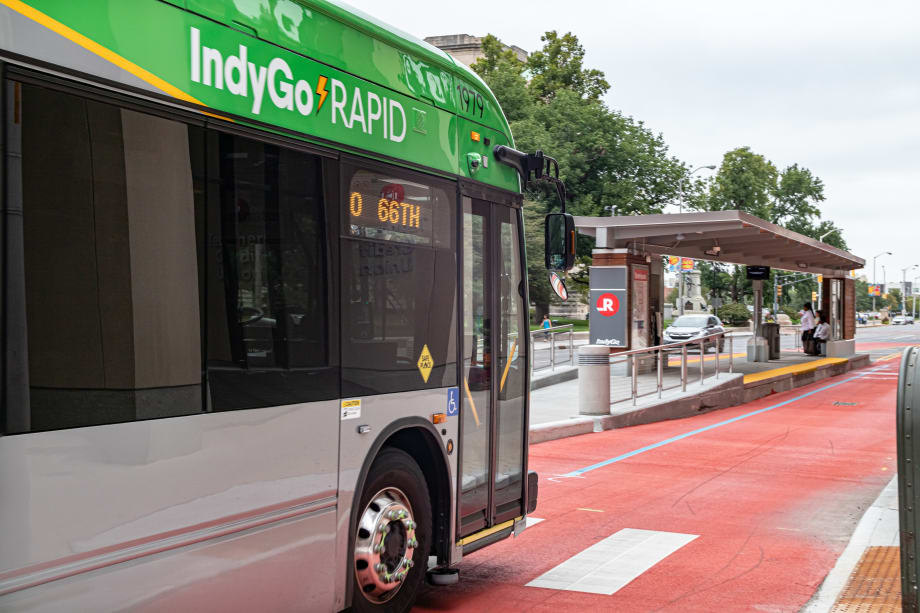
IndyGo recognizes there is a stigma associated with a criminal record that has resulted in significant obstacles to obtain employment.
IndyGo
IndyGo adopted a Second Chance hiring initiative, intended to promote re-entry into the workforce and increase the pool of qualified applicants from which the agency can hire.
IndyGo recognizes there is a stigma associated with a criminal record that has resulted in significant obstacles to obtain employment. The new policy will help level the playing field for applicants who may be highly qualified but have had a criminal conviction, according to the agency.
Under this new policy, IndyGo will not make inquiries into an applicant’s criminal background until a conditional offer of employment has been made. If an applicant’s criminal background includes a conviction within the last seven years, the agency will conduct an individualized assessment of the situation.
“IndyGo’s service is all about opportunity — connecting riders to education, employment, and our community,” said IndyGo President/CEO Inez Evans. “This policy helps us to extend employment opportunities to even more qualified candidates and gives those with a criminal history a fair chance at employment.”
While IndyGo is committed to offering a second chance to otherwise qualified applicants who have a criminal background, there are exceptions to the rule. Applicants who have been convicted of felonies or misdemeanors for crimes against a child are not eligible for consideration under the new policy. The new policy does not apply to positions which a federal, state, or local law disqualifies an individual based on criminal background.
More Management

Beyond the Checklist: A Structured Approach to Transit Maintenance
Reliability-Centered Maintenance helps transit agencies move beyond routine checklists to focus limited resources on the assets and failures that have the greatest impact on safety, reliability, and service.
Read More →
APTA 2026 Nominating Committee Selects Leadership Slate, Names Chair and Vice Chair Nominees
Leadership changes will help shape the association’s priorities and its representation of the transportation industry during the 2026–2027 term.
Read More →
DART Launches Major Security, Fare Enforcement Initiative
The 90-day demonstration will deploy coordinated security teams at five light rail stations while testing controlled access and gathering data to guide future investments.
Read More →

Advancing Fare Collection Through Technology and Innovation
Learn about delivering 1300 gates at 91 stations while managing fare evasion. Explore the large scale deployment, solution customization and real-world results that affect the region. Prepare for deployment in your region now.
Read More →
Game Day in Motion: Moving Millions During the 2026 World Cup
Between packed transit stations and team motorcoaches, see how agencies and operators across North America tackled the transportation demands of the 2026 FIFA World Cup.
Read More →
Surface Transportation Extension Averts Shutdown, Leaves Transit Funding Gap
The stopgap keeps federal transportation programs moving, but missing advance funding could complicate the transit and rail projects agencies are planning next.
Read More →
Bus Tech Talk: Keeping Transit Technicians Ahead of the Technology Curve
LA Metro’s Obed Mejia discusses technician training, evolving maintenance technology, fleet replacement, and strategies for getting the most out of today’s transit fleets.
Read More →
Why Simulating Pedestrian Movement Has Become Essential for Modern Rail Stations
Pedestrian microsimulation is helping rail planners identify bottlenecks, test station designs, and prepare complex transit hubs for growing passenger volumes.
Read More →
People Movement: Holly Arnold Joins Transdev and More
In this edition, we also cover recent appointments and announcements at Pace, CamTran, MCI, and more, showcasing the individuals helping to shape the future of transportation.
Read More →
NITA Launches New Era of Regional Transit in Chicago
The new authority replaces the RTA and brings CTA, Metra, and Pace under a strengthened regional framework for funding, planning, fares, safety, and service coordination.
Read More →