



OCTA Works Through Pandemic Challenges for O.C.’s Transportation Future
According to a mid-year report presented to OCTA directors, 30 of the 32 milestones planned for completion by mid-year have been completed.
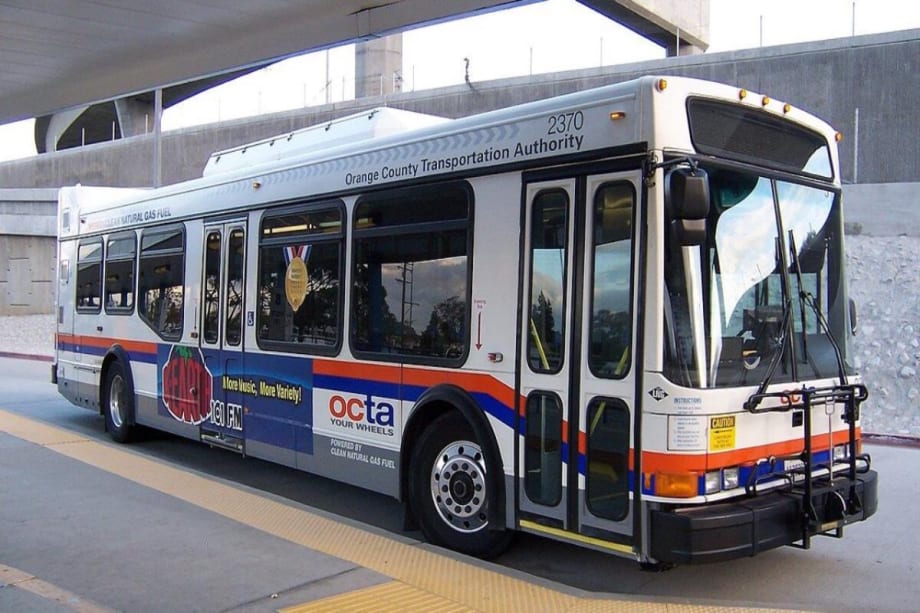
The OCTA board and CEO work together at the beginning of each year to prioritize goals for the year and develop an action plan to ensure progress toward those goals.
Photo: OCTA
The Orange County Transportation Authority (OCTA) continues to push through ongoing challenges of the coronavirus (COVID-19) pandemic and deliver a sustainable transportation network for Orange County.
According to a mid-year report presented to OCTA directors, 30 of the 32 milestones planned for completion by mid-year have been completed, and another 64 milestones are scheduled for completion during the second half of the calendar year.
“I’m proud of the resiliency OCTA has shown through the challenges of the pandemic to continue delivering on its promises to Orange County taxpayers,” said OCTA chairman and the county’s first district supervisor Andrew Do. “Measuring that work through these milestones demonstrates the ongoing high-quality work by staff and directors to keep Orange County moving toward a better transportation future.”
The milestones achieved have included advancing projects promised to voters through Measure M, Orange County’s half-cent sales tax for transportation improvements, also known as OC Go. Among them are important freeway improvements on the I-405 and I-5, continuing to build the OC Streetcar, funding street improvements and enhancing the OC Bus system.
The OCTA board and CEO work together at the beginning of each year to prioritize goals for the year and develop an action plan to ensure progress toward those goals.
“It’s important that we set and assess these milestones to ensure that we remain on track and accountable for enhancing and improving our county’s transportation system,” said OCTA CEO Darrell E. Johnson. “Thanks to the diligent work of our employees and contractors, all under the guidance of our Board of Directors, we continue to keep safety as the priority while making strong progress.”
The OCTA board is set to review additional milestones in the fall.
Highlights from the Financial Stewardship, Sustainability, and Resilience initiative:
OCTA provided a Capital Programming Update, including information and recommended actions for the Surface Transportation Block Grant (STBG) and Congestion Mitigation and Air Quality Improvement (CMAQ) funding for transit projects. The board approved OCTA’s funding recommendations, ensuring the maximization of federal funds for OCTA projects.
The board selected a firm to replace the current Enterprise Asset Management system with modern software to meet current and future needs.
The board adopted the FY 2020-21 Comprehensive Business Plan, reflecting the effects of the pandemic and ensuring the financial feasibility of OCTA’s programs and services for the next 20 years.
The board approved a $1.3 billion balance FY 2021-22 budget for the current and future transportation needs of Orange County.
Highlights from the Reliable, Accessible, and Balanced Transportation Choices initiative:
The board approved the updated Next 10 Plan, ensuring OCTA fulfills Measure M commitments, maintains fiscal sustainability, and strives to deliver transportation improvement project benefits early. The updated plan includes additional analysis and strategic planning reflecting lower sales tax revenue forecasts resulting from the COVID-19 pandemic.
OCTA launched a diversity, equity, and inclusion webpage to strengthen its commitment to providing equitable public transportation and engaging with diverse and disadvantaged communities.
OCTA began construction on the Anaheim Canyon Metrolink Station Improvements.
The board developed options to restructure the OC Bus fixed-route bus system to better serve customer needs.
The first of two Future of Transit Workshop was held to help guide decision making for shaping the future of transit.
Highlights from the Organizational Excellence and Collaboration initiative:
OCTA expanded its College Pass Program to Cypress College, enabling enrolled students to travel on any OC Bus free of charge.
OCTA held additional successful terms of its Early Career Academy and Leadership Development Academy.
The environmental phase of the I-5 Improvement Project began and OCTA is collaborating with Caltrans to advance it. The project will extend high-occupancy vehicle lanes between Avenida Pico and the border with San Diego County.
More Bus

New York MTA Plans Largest Bus Fleet Upgrade in More Than a Decade
The agency is seeking manufacturers for 650 new CNG buses to replace aging vehicles, improve reliability, and advance its broader fleet modernization strategy.
Read More →
Building a Flexible Path to Transit Electrification
John Hroncich discusses BAE Systems’ modular and scalable approach, lessons learned from decades of real-world operations, and how agencies can identify electrification strategies that fit their fleets.
Read More →
Bus Tech Talk: Keeping Transit Technicians Ahead of the Technology Curve
LA Metro’s Obed Mejia discusses technician training, evolving maintenance technology, fleet replacement, and strategies for getting the most out of today’s transit fleets.
Read More →
Biz Briefs: RIPTA Unveils New Frontrunners, Clevland RTA Adds New Siemens, and More
In METRO's latest installment, we take a look at recent news from Siemens, Prevost, Dodge, and more partnerships making headlines across the transportation sector.
Read More →
People Movement: Holly Arnold Joins Transdev and More
In this edition, we also cover recent appointments and announcements at Pace, CamTran, MCI, and more, showcasing the individuals helping to shape the future of transportation.
Read More →
The High Cost of Transit Buses: Industry Leaders Look to Procurement Reform
Transit leaders and policymakers examine how standardized bus designs, streamlined procurement, and predictable funding could help agencies stretch budgets and deliver better service.
Read More →
The Business Voice Behind Public Transportation
As chair of APTA’s Business Members Board of Governors, Ray Melleady explains how more than 850 business members are partnering with transit agencies to advance funding, innovation, and industry-wide collaboration.
Read More →
From Surviving to Thriving: Building Stronger Transportation Organizations
Bus Business Consultants founder Brian Dickson shares lessons on leadership, organizational health, and creating options for long-term success in a changing transportation industry.
Read More →
Finding the ‘Happy Medium’: Optimizing Maintenance Without Sacrificing Reliability
The key to maintenance optimization isn’t doing less work—it’s doing the right work at the right time on the right assets.
Read More →
LA Metro, City of West Hollywood, and Partners Advance Smarter Bus Lane Enforcement
The award-winning partnership combines AI-powered detection with human oversight to improve bus reliability, accessibility, and enforcement efficiency.
Read More →