



Proterra’s ZX5 Focuses on Safety, Efficiency
Since 2004, the EV industry has evolved toward full fleet electrification, and Proterra buses have evolved with it.
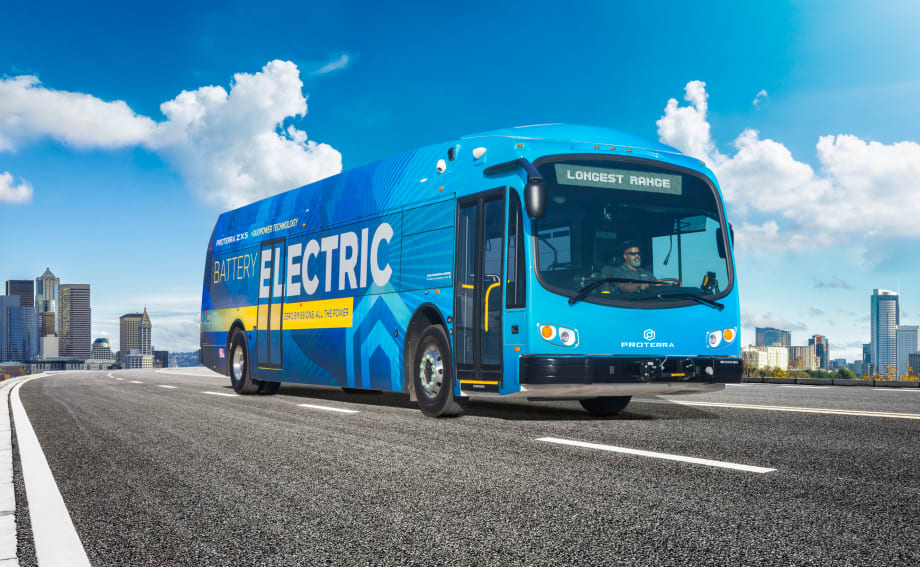
Fleet operators are moving beyond EV pilot deployments and transitioning to fully electric fleets.
Proterra
The transit industry is rapidly transitioning to battery-electric vehicles, with more and more cities across the continent making commitments to 100% zero-emission transportation. Since 2004, the EV industry has evolved toward full fleet electrification, and Proterra buses have evolved with it. Electric buses have become more efficient than ever with the Proterra® ZX5, refined based on a decade of delivering battery-electric transit buses.
Proterra’s fifth-generation vehicle, the ZX5 electric bus, incorporates a purpose-built platform proven through more than 20 million miles in service. Designed from the start as an exclusively electric vehicle, everything about a Proterra ZX5 bus is built with safety, efficiency, and a smooth ride in mind. The ZX5 features faster acceleration, industry-leading gradeability, and the most battery storage on any 40-foot electric bus (up to 675 kWh), offering a range of more than 300 miles per charge — the greatest range of any zero-emission, battery-electric bus in its class. The ZX5 is also available as a 35-foot bus, which can carry up to 450 kWh of battery storage capacity, reach a maximum range of 240 miles and an operating efficiency of 25 MPGe.
Built to Be Electric
The innovative design of the Proterra® ZX5 vehicle enables it to have the most battery capacity on board for maximum range. The purpose-built design also allows for the best placement of battery packs, underneath and outside of the passenger compartment, and creating a lower center of gravity for the greatest stability and safety.
Made with an advanced composite body, the ZX5 vehicle is designed to safely and quietly endure nearly two decades of on-road service, with minimal maintenance required. The ZX5 bus body consists of carbon-fiber-reinforced composite materials, making it non-conductive, corrosion-resistant, and lighter than steel counterparts, enabling maximum energy storage capabilities.
The ZX5 is powered by Proterra battery packs, which are designed specifically for heavy-duty transportation, with a ruggedized enclosure and active thermal management for optimal operation in any climate. Made in the U.S. by the best minds in battery engineering and rigorously tested and third party validated, Proterra batteries are compact, safe, and powerful.
Cleaner Air for Healthier Communities
Every year a Proterra electric bus operates in place of a diesel bus, it displaces 230,000-plus pounds of CO2 that the diesel bus would have emitted if it were clocking that mileage instead. With more than 700 buses in operation and more than 20 million miles driven, Proterra’s electric fleet has displaced more than 100 million pounds of carbon emissions along the way.
Bank on The Savings
Proterra® ZX5 vehicles aren’t just clean and quiet — they’re also more economical than conventional transit vehicles. With approximately 30% less parts than a combustion engine, Proterra electric drivetrains simplify maintenance and lower operating costs. Thanks to lower maintenance costs, the stable cost of electricity, and exceptional fuel economy, Proterra customers can save more than $400,000 in operating costs over the lifetime of each vehicle.
Plan Your Transition to a Zero Emission Fleet
Fleet operators are moving beyond EV pilot deployments and transitioning to fully electric fleets. Proterra has incorporated learnings from deploying battery-electric buses over the last decade to develop a comprehensive fleet replacement, charging, and energy optimization model to help customers with fleet planning.
Proterra provides in-depth analyses that helps fleet operators understand what is required to replace existing vehicles with electric buses and accompanying charging infrastructure in the most efficient and cost-effective way. With the right analysis and planning, the Proterra team can help you determine the vehicles and chargers that are most fitting for your project, so you can right-size your project and reduce costs as you scale. Contact the Proterra team today and request your free route analysis to get started.
More Zero Emissions
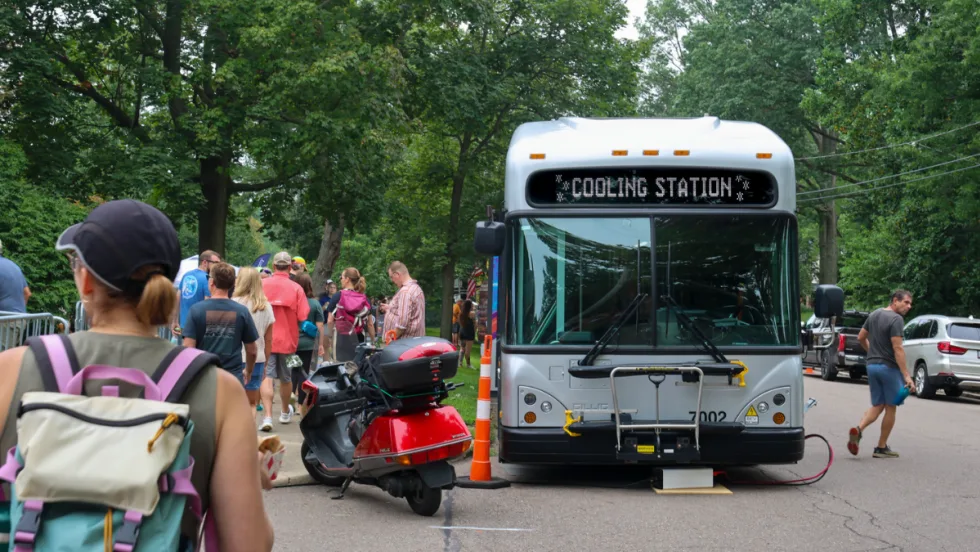
Ohio’s METRO RTA Turns Electric Buses into Mobile Power Sources at PorchROKR
See how three Gillig battery-electric buses powered festival stages while the agency’s new Park & Ride service carried approximately 1,000 attendees, demonstrating another potential use for transit agencies’ electric fleets.
Read More →
CALSTART and Forth Combine to Form Catalyst Mobility
The new name represents a renewed vision for the nonprofit focused on advancing clean, equitable, and affordable transportation solutions that move people and goods.
Read More →
Building a Flexible Path to Transit Electrification
John Hroncich discusses BAE Systems’ modular and scalable approach, lessons learned from decades of real-world operations, and how agencies can identify electrification strategies that fit their fleets.
Read More →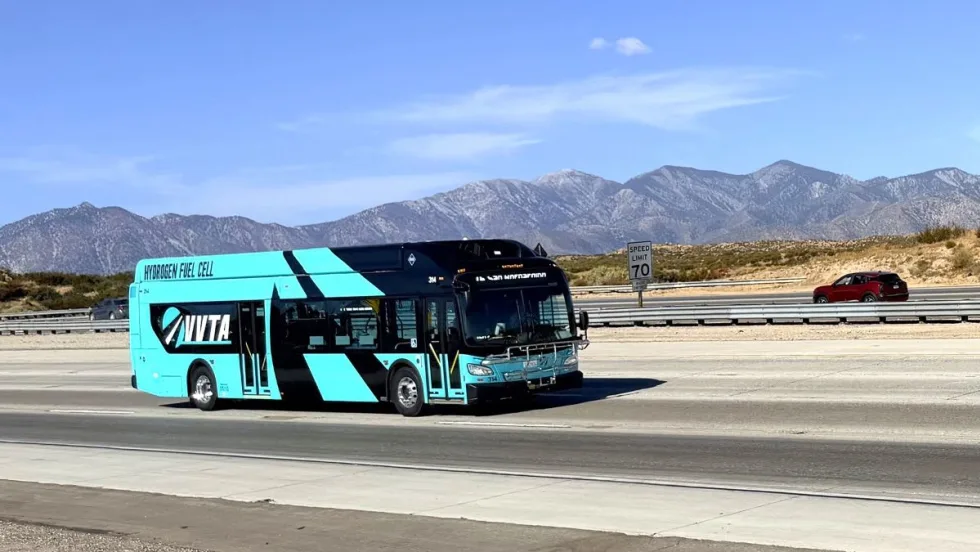
California's VVTA Begins Phased Rollout of Hydrogen Fuel Cell Buses
The agency is introducing 13 zero-emission buses into revenue service while evaluating performance across its urban, rural, and long-distance routes.
Read More →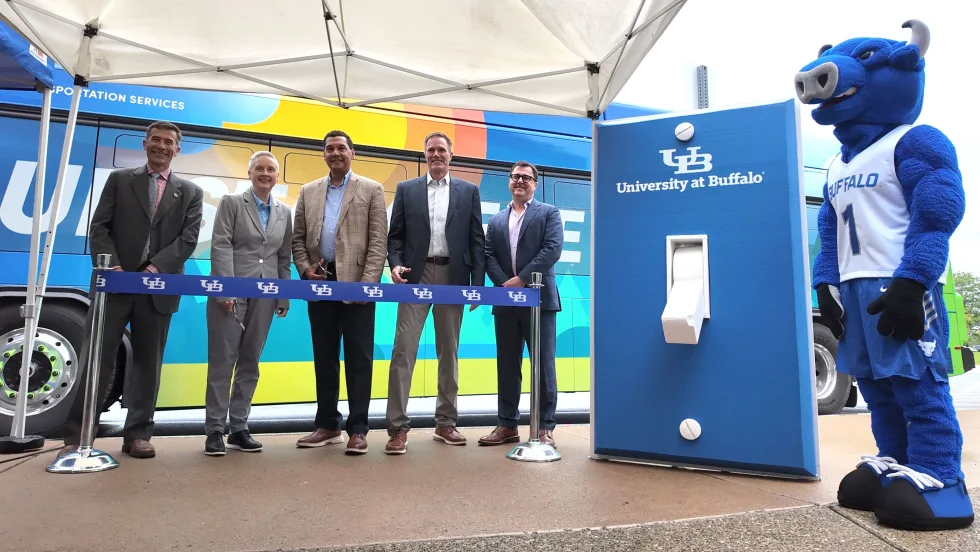
Inside Look: University at Buffalo Puts First 8 Electric Buses Into Stampede Service
UB, transportation solutions provider WeDriveU, and fleet electrification specialist Zenobē marked the deployment in the presence of students, university administrators, and local officials.
Read More →
Biz Briefs: OCTA Taps Clean Energy for Hydrogen Station, Stadler to Supply Via Rail Vehicles, and More
From manufacturers and suppliers to transit agencies and motorcoach operators, these updates offer a snapshot of the projects, partnerships and business moves driving the industry forward.
Read More →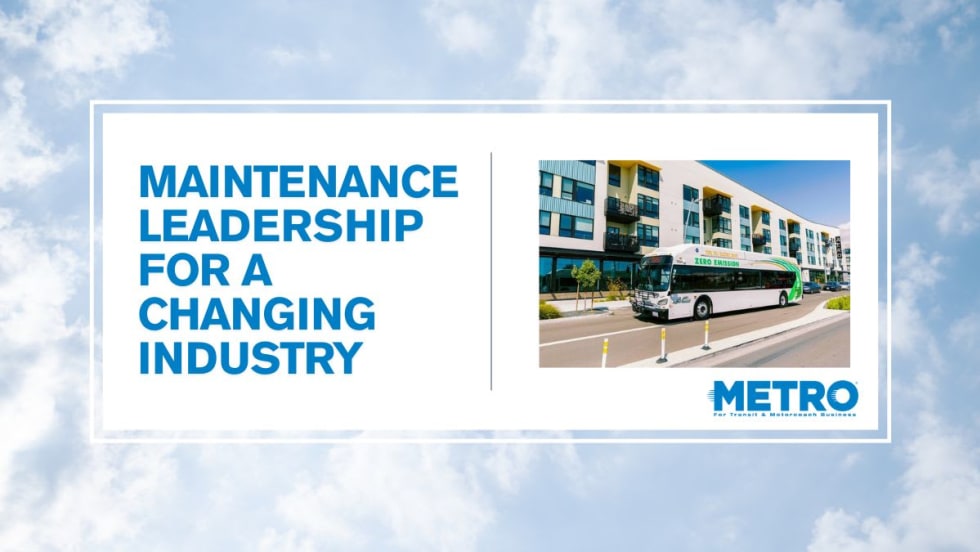
AC Transit’s Cecil Blandon on Building the Next Generation of Transit Maintenance Leaders
The agency’s maintenance chief discusses leadership, workforce development, zero-emission technology, and preparing technicians for the future of public transportation.
Read More →
CTDOT Taps STV for Electric Bus Facility Design
The firm will work with CTDOT and RVT to define the facility layout, operational requirements, and long-term flexibility for RVT’s growing electric fleet.
Read More →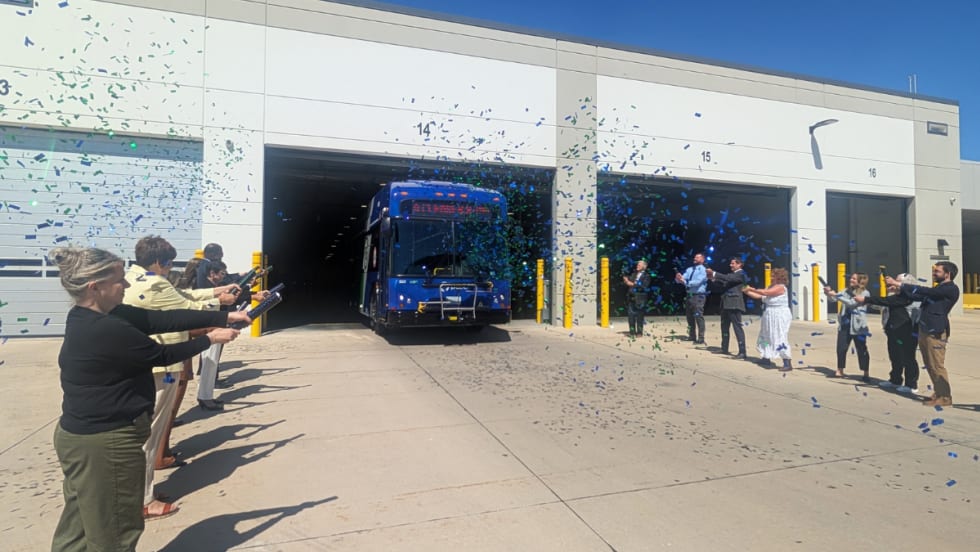
Chicago’s Pace Deploys 24 Hybrid-Electric Buses in Will County
The new buses reduce emissions and fuel consumption while advancing the agency's long-term goal of transitioning to a fully zero-emission fleet.
Read More →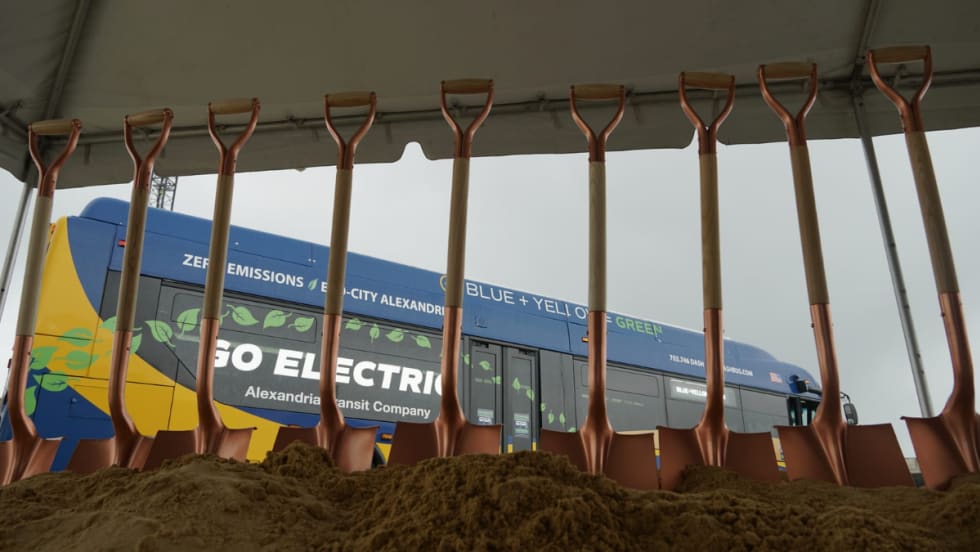
DASH Breaks Ground on First On-Route Electric Bus Chargers in D.C. Region
The fast-charging infrastructure will help extend electric bus range, improve fleet utilization, and support DASH's goal of transitioning to a fully zero-emission fleet.
Read More →