



Lightning eMotors Announces Expanded Partnership with Forest River
Lighting eMotors to Offer Self-Driving, Zero-Emission Electric Vehicles
The partnership expands Lightning’s zero-emissions EV platform offerings to include Perrone’s AV-powered technology.
by Staff
May 10, 2022
Vehicles equipped with Perrone’s self-driving technology embedded into Lightning’s vehicles for both cargo and passenger uses can be ordered immediately.
Photo: Lightning eMotors
2 min to read
Lightning eMotors and Perrone Robotics announced a partnership to offer Class 3-7 commercial fleet customers self-driving, electric fleet vehicles that can be deployed for a wide range of dedicated uses.
The partnership expands Lightning’s zero-emissions EV platform offerings to include Perrone’s AV-powered technology, TONY, a vehicle-independent retrofit kit designed to enable vehicles to transport people and goods in geo-fenced and dedicated driving routes. Vehicles equipped with Perrone’s self-driving technology embedded into Lightning’s vehicles for both cargo and passenger uses can be ordered immediately.
“We were looking for partners who could deliver autonomous capabilities to our customers today, and in the future — and that’s what Perrone offers,” said Tim Reeser, Lightning eMotors CEO. “We offer perhaps the widest range of electric commercial vehicles in North America, and now we have an autonomous vehicle solution for our products, ranging from ambulances to campus shuttles and other commercial applications.”
PIDC is the first Lightning eMotors customer to purchase a self-driving, all-electric shuttle powered by Perrone’s TONY AV kit. Pennsylvania's first AV shuttle will provide transportation services to visitors and employees within the Philadelphia Navy Yard, a 1,200-acre dynamic, urban development. Lightning and Perrone are in active discussions with a number of other potential customers as well.
Perrone’s AV retrofit kit can be integrated into new vehicles and can also be integrated into existing, repowered vehicles.
“A lot of electric vehicle manufacturers are focused on just one vehicle size, and in many cases it’s a bespoke custom platform,” said Paul Perrone, Perrone Robotics, Inc. founder/CEO. “But that’s not how we operate at Perrone – our partnership with Lightning is an example of how we want to make a bigger impact. Lightning’s wide range of vehicles is aligned perfectly with the way we want to help foster the widespread adoption of self-driving technology.”
Initially, Lightning will deploy Perrone’s technology into two product categories, including fully autonomous Level 4 application environments with dedicated routes such as college campuses, and Level 2 applications for visual and safety features for commercial vehicles. Currently, Level 4 vehicles can only operate in geo-fenced areas.
“Our customers are telling us they want this technology and now we can deliver it. These vehicles are ideal for college campuses, downtown business districts, vacation resorts and for large logistics yards,” Reeser said. “And, thanks to our partnership with Perrone, we stand alone as the only all-electric commercial vehicle provider that can offer Class 3 – 7 medium-duty vehicles that are fully autonomous and are certified by the departments of transportation, local transit agencies and other commercial organizations.”
More Zero Emissions
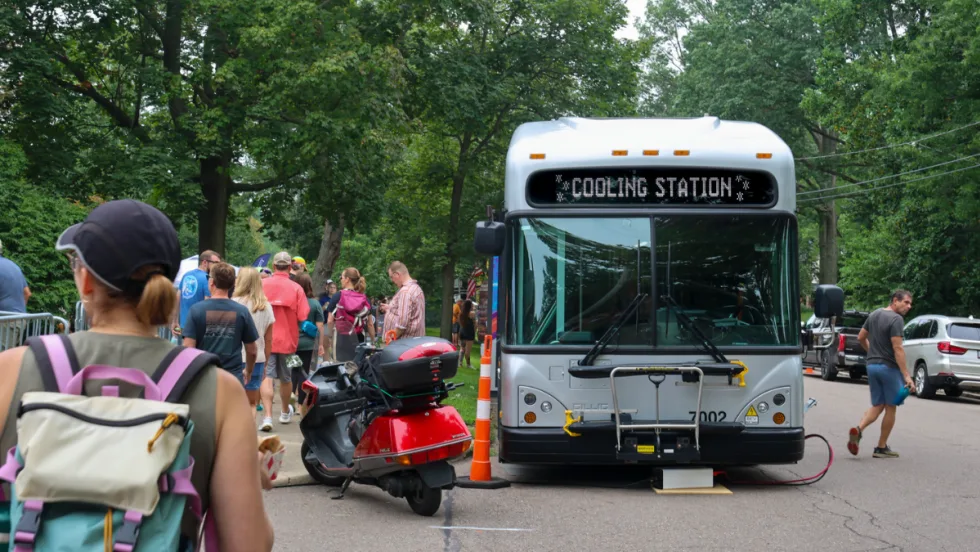
Ohio’s METRO RTA Turns Electric Buses into Mobile Power Sources at PorchROKR
See how three Gillig battery-electric buses powered festival stages while the agency’s new Park & Ride service carried approximately 1,000 attendees, demonstrating another potential use for transit agencies’ electric fleets.
Read More →
CALSTART and Forth Combine to Form Catalyst Mobility
The new name represents a renewed vision for the nonprofit focused on advancing clean, equitable, and affordable transportation solutions that move people and goods.
Read More →
Building a Flexible Path to Transit Electrification
John Hroncich discusses BAE Systems’ modular and scalable approach, lessons learned from decades of real-world operations, and how agencies can identify electrification strategies that fit their fleets.
Read More →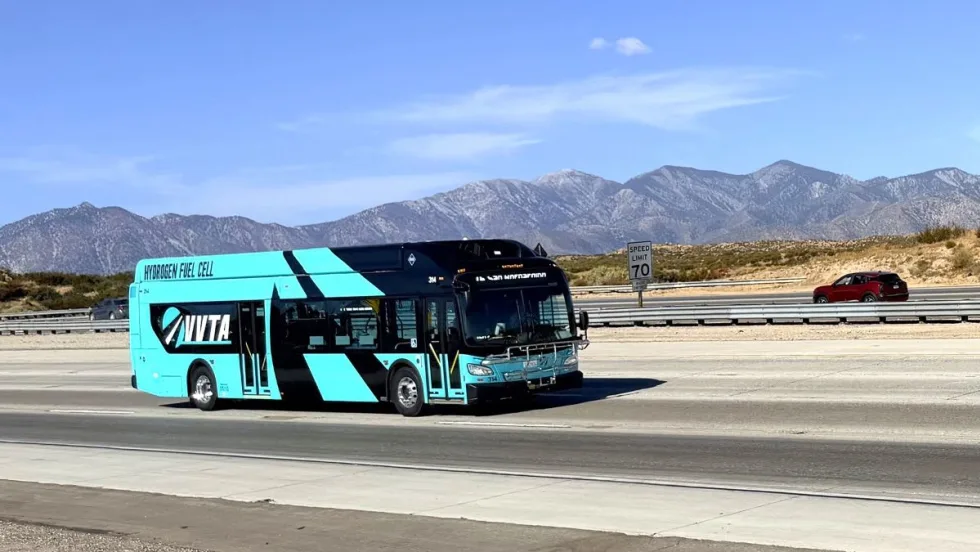
California's VVTA Begins Phased Rollout of Hydrogen Fuel Cell Buses
The agency is introducing 13 zero-emission buses into revenue service while evaluating performance across its urban, rural, and long-distance routes.
Read More →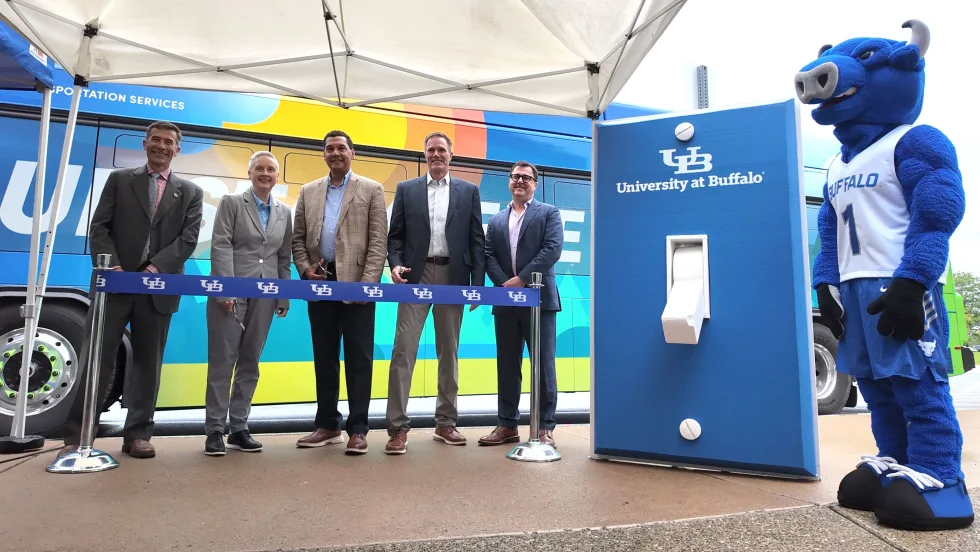
Inside Look: University at Buffalo Puts First 8 Electric Buses Into Stampede Service
UB, transportation solutions provider WeDriveU, and fleet electrification specialist Zenobē marked the deployment in the presence of students, university administrators, and local officials.
Read More →
Biz Briefs: OCTA Taps Clean Energy for Hydrogen Station, Stadler to Supply Via Rail Vehicles, and More
From manufacturers and suppliers to transit agencies and motorcoach operators, these updates offer a snapshot of the projects, partnerships and business moves driving the industry forward.
Read More →
AC Transit’s Cecil Blandon on Building the Next Generation of Transit Maintenance Leaders
The agency’s maintenance chief discusses leadership, workforce development, zero-emission technology, and preparing technicians for the future of public transportation.
Read More →
CTDOT Taps STV for Electric Bus Facility Design
The firm will work with CTDOT and RVT to define the facility layout, operational requirements, and long-term flexibility for RVT’s growing electric fleet.
Read More →
Chicago’s Pace Deploys 24 Hybrid-Electric Buses in Will County
The new buses reduce emissions and fuel consumption while advancing the agency's long-term goal of transitioning to a fully zero-emission fleet.
Read More →
DASH Breaks Ground on First On-Route Electric Bus Chargers in D.C. Region
The fast-charging infrastructure will help extend electric bus range, improve fleet utilization, and support DASH's goal of transitioning to a fully zero-emission fleet.
Read More →