



MBTA Provides Update on Safety Work Progress
Over the last several weeks, the agency has implemented safety plans to address track conditions and maintenance, updated safety trainings and directives, and has addressed staffing shortages.

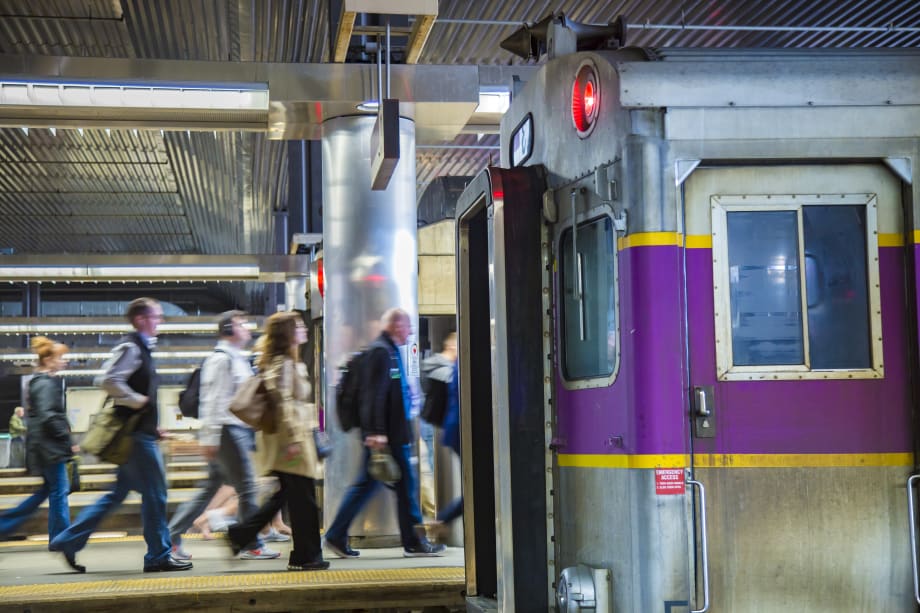
The MBTA has met all the FTA’s deadlines and requirements to date in response to the four special directives issued and continues to develop Corrective Action Plans to address them.
MBTA/Keolis
Boston’s MBTA reported on its progress to address ongoing safety concerns raised during a Federal Transit Administration (FTA) Safety Management Inspection (SMI) last month. Over the last several weeks, the MBTA has implemented safety plans to address track conditions and maintenance, updated safety trainings and directives, and has addressed staffing shortages.
“Following the FTA’s initial safety review, the MBTA was asked to implement changes to the system to improve the way it is run and operated,” said MBTA GM Steve Poftak. “I am pleased that the MBTA has completed many of those updates and continues to make progress on many more. These recommendations will make the T safer and more reliable for both our riders and our employees. Over the coming weeks, we will continue to work closely with these safety experts to improve the MBTA system.”
The MBTA has met all the FTA’s deadlines and requirements to date in response to the four special directives issued and continues to develop Corrective Action Plans (CAPs) to address them. As part of these CAPs, the MBTA has taken the following actions to date:
Issued a new series of safety directives, trainings, and polices for operators regarding train movements in the MBTA’s yard facilities and car houses.
Ensured all active rail transit employees are certified (completed in June). The MBTA is developing an improved internal tracking system and policies for ensuring recertifications are up to date.
Prioritized track projects that address track conditions in need of most repair and that currently have substantial speed restrictions. This work is being coordinated with current construction activities already underway and service diversions already scheduled to take place to improve rider experience. For example, on Sunday, July 10, the MBTA’s Track Department installed approximately 500-feet of rail on the southbound tracks between Back Bay and Massachusetts Avenue stations. This rail is a specific kind of rail that is used in sharper curves. This track replacement work allowed the T to lift a speed restriction that was approximately 1,500-foot long from 10 mph to 25 mph, speeding up trips by about one minute. When all track work is completed in this area, the speed will be able to be increased to 40 mph.
Updating procedures for accessing track areas to safely increase the time crews have to perform work on the tracks during the overnight hours when subway service does not operate in order to make the Orange line, Blue line, Green line, and Red line safer.
Launched an aggressive hiring campaign to attract qualified candidates as drivers, dispatchers, and inspectors to improve safety and rider experiences, and updated work rules to allow for more manageable shifts and necessary rest time. Newly hired dispatchers will soon begin a rigorous 10-week training program prior to being assigned to the Operations Control Center (OCC) in the coming months. The T has rehired three former dispatchers (who are currently supervisory employees) to temporarily work in the OCC.
The MBTA also has several ongoing initiatives underway as part of these CAPs, including:
Exploring ways to accelerate the maintenance of its existing rail construction equipment.
Developing a PPE compliance checking program.
Increasing staffing at rail yards.
Developing a pilot program for Blue Flag procedures on rapid transit. A codified standard in railroad operations, Blue Flag procedures are clearly distinguishable blue flags/lights by day and blue lights by night that indicate workers are on, under, or between rolling cars or equipment. The purpose of the Blue Flag procedure is to protect workers from the movement of rolling equipment.
The four special directives received by the MBTA involve delayed critical maintenance, train movement operating procedures, staffing within the OCC, and the employee safety recertification process. The CAP to address delayed critical maintenance is due to the FTA on July 15. The CAP to address train movement operating procedures was submitted on time to the FTA on June 30. The CAP to address staffing issues within the Operations Control Center was submitted on time to the FTA on July 5. The CAP regarding employee safety re-certifications is due to the FTA on July 20.
More Security and Safety

FTA Ends Direct Oversight of MBTA Safety Actions
The federal agency closed its remaining special directive to the Massachusetts Department of Public Utilities following a safety review that began in 2022.
Read More →
Transit Agencies Highlight Safety Gains at National Summit
Leaders from 15 major transit systems shared crime-reduction results and safety initiatives while discussing the role of continued federal support.
Read More →
DART Launches Major Security, Fare Enforcement Initiative
The 90-day demonstration will deploy coordinated security teams at five light rail stations while testing controlled access and gathering data to guide future investments.
Read More →
RTD Launches NextRide App to Consolidate Trip Planning, Fares, Security Reporting
The app expands on RTD’s existing NextRide web application and allows customers to view real-time vehicle locations and service alerts, purchase and store digital fares, and access customer support.
Read More →
TAPTCO Updates OSHA Compliance Training for Transit Maintenance Operations
The revamped program addresses 26 OSHA standards for maintenance facilities, with TAPTCO pointing to training, documentation, and everyday shop hazards as continuing challenges for transit operations.
Read More →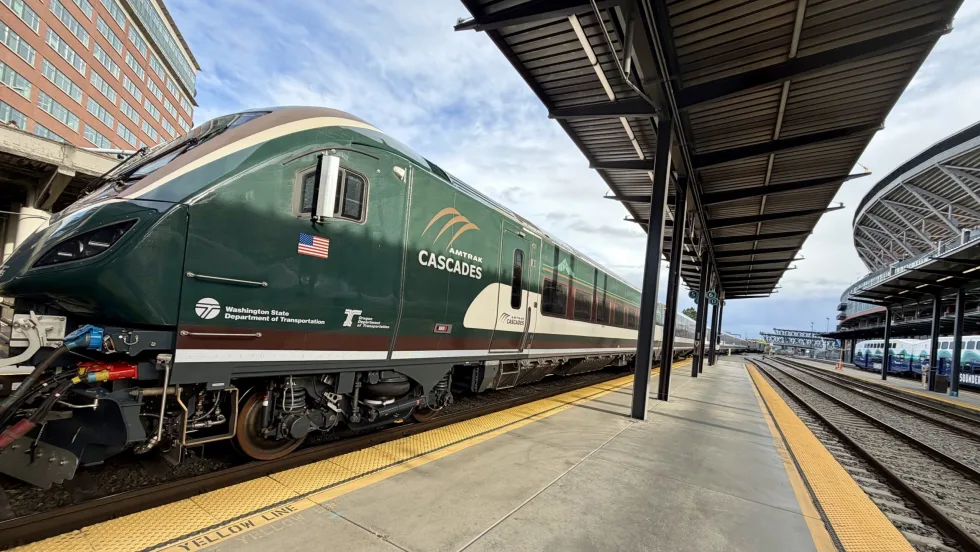
FRA Announces $5.3B in Rail Investments, Including $2B for Amtrak
Funding will support grade-crossing improvements, infrastructure upgrades, and new Amtrak equipment in 23 states.
Read More →
Chicago, Maryland Expand Non-Law-Enforcement Safety, Rider Support
The CTA and MTA are launching new programs aimed at de-escalation, crisis response, rider assistance, and greater transparency.
Read More →
LA Metro, City of West Hollywood, and Partners Advance Smarter Bus Lane Enforcement
The award-winning partnership combines AI-powered detection with human oversight to improve bus reliability, accessibility, and enforcement efficiency.
Read More →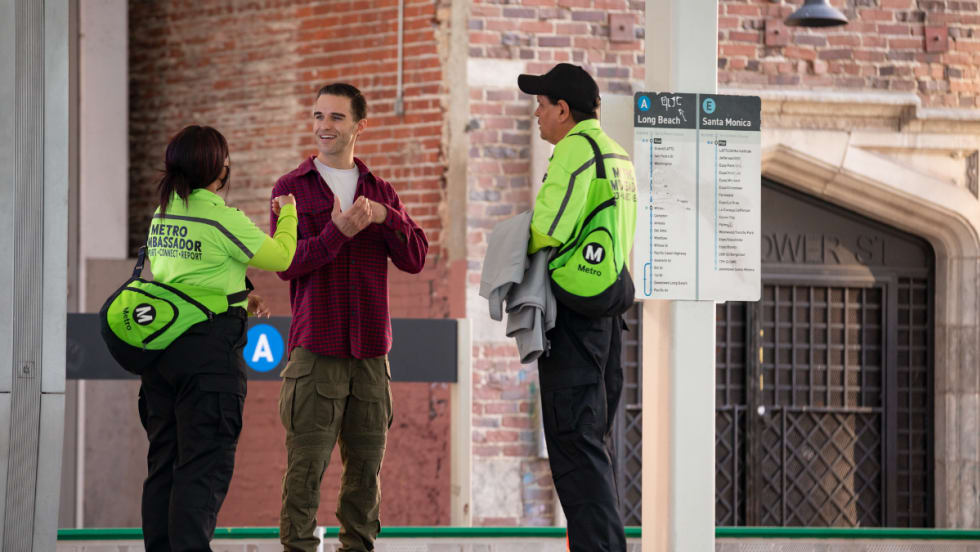
LA Metro Reports 57% Decline in Homelessness on Transit System Since 2024
The agency's latest homelessness count offers new data on how care-based services and cross-sector partnerships can complement traditional transit security strategies.
Read More →
FTA Launches 'Transit Moves America' Dashboard to Highlight Agency Safety and Performance
The online dashboard transforms National Transit Database information into a public-facing resource that allows users to compare transit agencies on key operational and safety metrics.
Read More →