



St. Louis Metro: Damage from Record Rainfall, Flash Flooding Estimated at $18 to $20M
The agency is requesting emergency federal and state funding to help cover the losses caused by the unprecedented weather event.

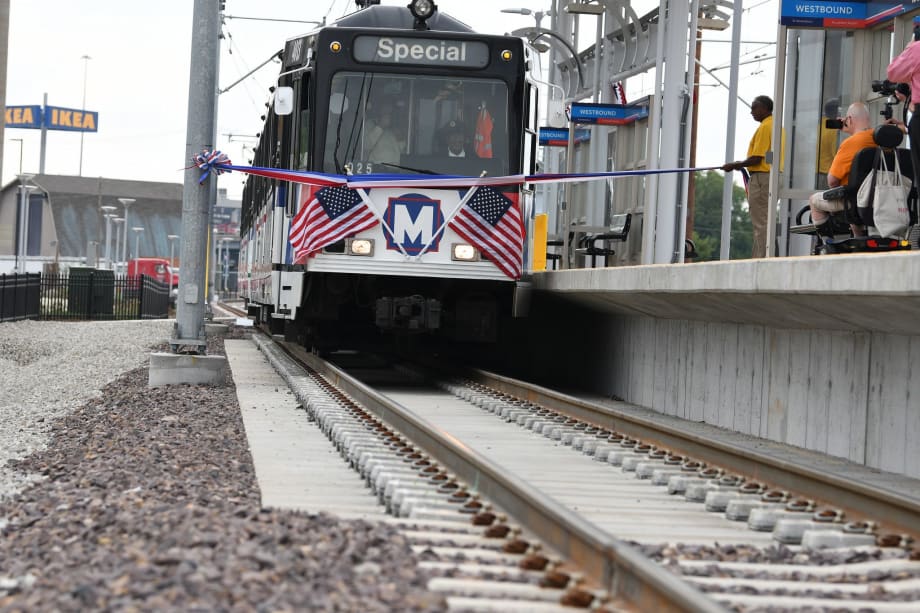
Flash flooding at several MetroLink stations and water on the tracks hampered or prevented trains temporarily from operating at different sections of the MetroLink alignment in both Missouri and Illinois on July 26.
St. Louis Metro Transit teams and contractors are working around the clock to continue to assess damage and make repairs to restore train service to the MetroLink light rail system west of the Central West End Station following the record rainfall and flash flooding event on July 26. Preliminary damage estimates range between $18 and $20 million. Metro Transit is requesting emergency federal and state funding to help cover the losses caused by the unprecedented weather event.
MetroLink equipment between the Forest Park-DeBaliviere and Delmar Loop Stations sustained the most significant flood damage with one MetroLink train valued at $10 million expected to be a total loss, as well as station elevators, MetroLink communications and fiber optics, the MetroLink signal system, and damage to the light rail track beds. A Metro Call-A-Ride vehicle trapped in the flash flooding on July 26 is also expected to be declared a total loss.
Fortunately, there were no injuries to any transit customers, operators, contractors, or transit team members during the flash flooding. Deer Creek, which is next to the Brentwood MetroBus Facility, flooded and water surrounded the building, preventing MetroBus from deploying transit vehicles from that facility. Vehicles from other MetroBus facilities were used for service on Tuesday. When the floodwaters receded, MetroBus vehicles were relocated to the DeBaliviere MetroBus facility where they are now being used for daily service deployment. The electric bus fleet was removed from service to protect those transit assets and the battery electric vehicles were later moved to the Central MetroBus facility after the floodwaters receded outside the Brentwood MetroBus facility. Flash flooding at several MetroLink stations and water on the tracks hampered or prevented trains temporarily from operating at different sections of the MetroLink alignment in both Missouri and Illinois on July 26.
“We have never seen flash flooding to these extreme levels on the 46-mile MetroLink system since it opened in 1993,” said Taulby Roach, Bi-State Development president and CEO. Bi-State Development operates the Metro Transit public transportation system in Missouri in the City of St. Louis and St. Louis County and in St. Clair County in Illinois.
Roach added that riders should remain patient with the agency and its employees during the unprecedented clean up, repair, and delays, especially since many were victims of the floods themselves.
More Security and Safety

Transit Agencies Highlight Safety Gains at National Summit
Leaders from 15 major transit systems shared crime-reduction results and safety initiatives while discussing the role of continued federal support.
Read More →
DART Launches Major Security, Fare Enforcement Initiative
The 90-day demonstration will deploy coordinated security teams at five light rail stations while testing controlled access and gathering data to guide future investments.
Read More →
RTD Launches NextRide App to Consolidate Trip Planning, Fares, Security Reporting
The app expands on RTD’s existing NextRide web application and allows customers to view real-time vehicle locations and service alerts, purchase and store digital fares, and access customer support.
Read More →

TAPTCO Updates OSHA Compliance Training for Transit Maintenance Operations
The revamped program addresses 26 OSHA standards for maintenance facilities, with TAPTCO pointing to training, documentation, and everyday shop hazards as continuing challenges for transit operations.
Read More →
How VaporVision Adds Value to Transit Door Systems
Wabtec engineers explain how the system improves doorway detection, strengthens diagnostics and gives transit agencies and OEMs greater operating flexibility.
Read More →
FRA Announces $5.3B in Rail Investments, Including $2B for Amtrak
Funding will support grade-crossing improvements, infrastructure upgrades, and new Amtrak equipment in 23 states.
Read More →
Chicago, Maryland Expand Non-Law-Enforcement Safety, Rider Support
The CTA and MTA are launching new programs aimed at de-escalation, crisis response, rider assistance, and greater transparency.
Read More →
LA Metro, City of West Hollywood, and Partners Advance Smarter Bus Lane Enforcement
The award-winning partnership combines AI-powered detection with human oversight to improve bus reliability, accessibility, and enforcement efficiency.
Read More →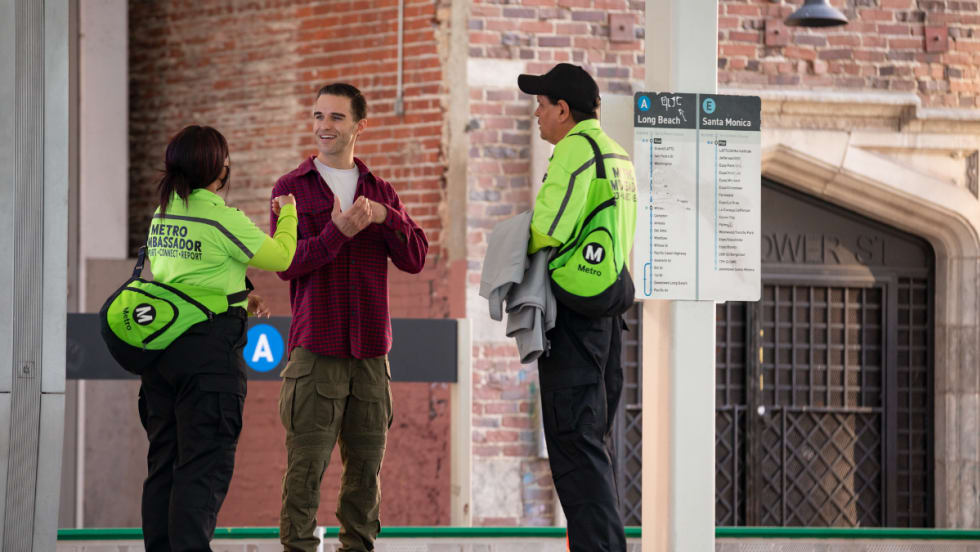
LA Metro Reports 57% Decline in Homelessness on Transit System Since 2024
The agency's latest homelessness count offers new data on how care-based services and cross-sector partnerships can complement traditional transit security strategies.
Read More →
FTA Launches 'Transit Moves America' Dashboard to Highlight Agency Safety and Performance
The online dashboard transforms National Transit Database information into a public-facing resource that allows users to compare transit agencies on key operational and safety metrics.
Read More →