




Helping Out: TRC to Deliver On-Demand Service in California Deployment
Purdue University Builds Prototype to Serve People with Disabilities
The researchers call the prototype EASI RIDER, which stands for “Efficient, Accessible and Safe Interaction in a Real Integrated Design Environment for Riders with disabilities.”
November 18, 2022
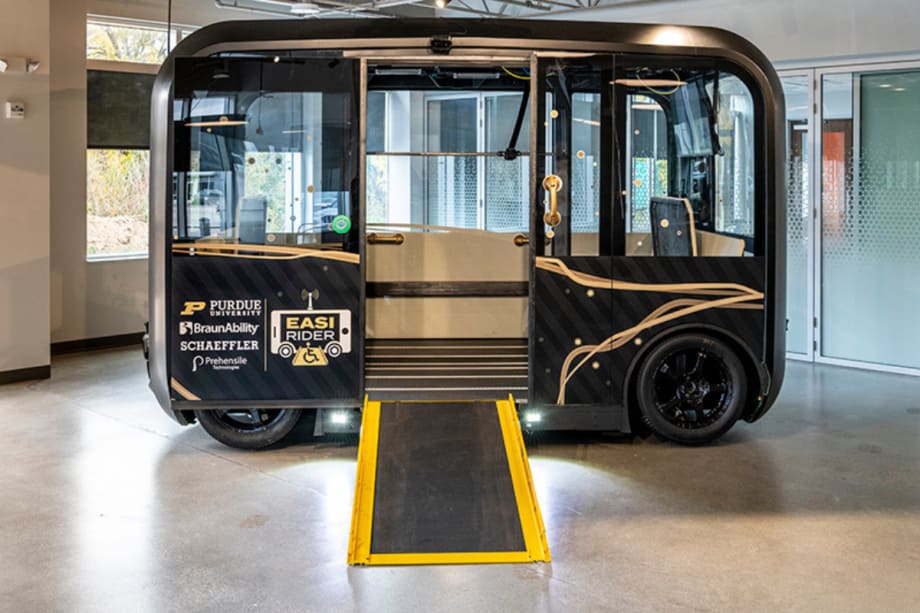
Purdue University researchers and their collaborators developed a realistic demonstration of an accessible design concept that industry could incorporate into its development of autonomous vehicles.
Photo: Purdue University/John Underwood
3 min to read
Purdue University announced that engineering professors Brad Duerstock and Brandon Pitts partnered with BraunAbility to build an automated vehicle-like prototype that demonstrates the features autonomous transportation would need to serve people with a range of disabilities.
The researchers call the prototype EASI RIDER, which stands for “Efficient, Accessible and Safe Interaction in a Real Integrated Design Environment for Riders with disabilities.”
EASI RIDER was built using parts and expertise from three other companies in addition to BraunAbility: Local Motors, Schaeffler, and Prehensile Technologies, a startup run by Duerstock and Purdue alum Jeffrey Ackerman, according to the university's news release.
“We’ve had the steady benefit of Professor Duerstock’s expertise over the years,” said Phill Bell, senior director of global corporate strategy for BraunAbility. “It’s always good to have users come in and say, ‘I don’t like this interface’ or ‘I can’t see where I’m backing up in my wheelchair.’ As an engineer, Professor Duerstock can help steer us into the direction we should be headed.”
Purdue said EASI RIDER isn’t meant to be driven (it doesn’t have a motor), but the researchers showed that whether a person’s disability is physical or sensory, they can successfully operate the vehicle’s different controls all by themselves. EASI RIDER not only has a voice-activated, wheelchair-accessible ramp but also uses sensors to prevent inadvertent deployment of the ramp into obstacles when parked.
A mechanism within EASI RIDER helps secure a wheelchair into the safest position during a ride. The prototype can accommodate up to two wheelchair users at once and has reconfigurable seats for riders who don’t use wheelchairs.
“A lot of the features we included in the vehicle were intended to enable what we call a ‘seamless travel experience,’ which means that interacting with the vehicle is so natural that a person doesn’t know they’re interacting with it,” said Pitts.
Cameras and sensors help passengers to better understand their surroundings in the vehicle and allow a remote operator to communicate with them in the case of emergency situations where the passengers might need assistance. Using their personal mobile phone or tablet, a traveler can control the vehicle’s features such as interior lighting, the horn, headlights, and entertainment.
A screen inside of the vehicle would help a rider see the operator or access a map of their route if they are hearing impaired or aren’t able to use their hands to press buttons.
The EASI RIDER team was awarded $1 million with its Inclusive Design Challenge win. Duerstock and Pitts will be using the prize money to establish a center at Purdue on accessible design for transportation, according to the news release.
“We envision that our work will help build a more equitable transportation future and, in turn, promote a higher quality of life for people at different points along the ability spectrum,” Pitts said.
The team will also continue researching ways to develop technology that is universal for a wide range of disabilities.
“Even though I have my own unique perspective, it’s not everyone’s perspective,” Duerstock said. “It takes some depth in understanding of what are everyone’s needs.”
More Paratransit
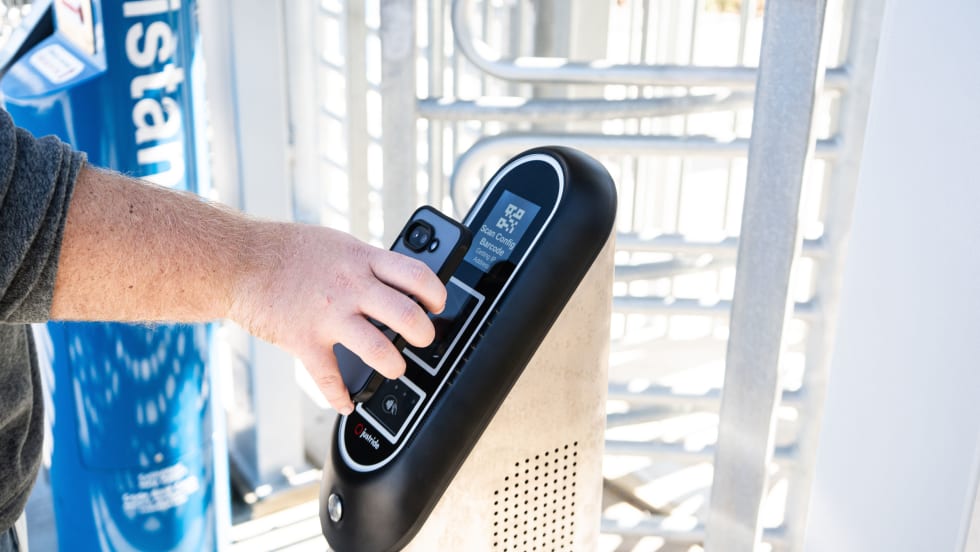
Biz Briefs: Masabi Teams with St. Louis Metro and More
In METRO's latest installment, we take a look at recent news from Transdev, Hitachi, and more partnerships making headlines across the transportation sector.
Read More →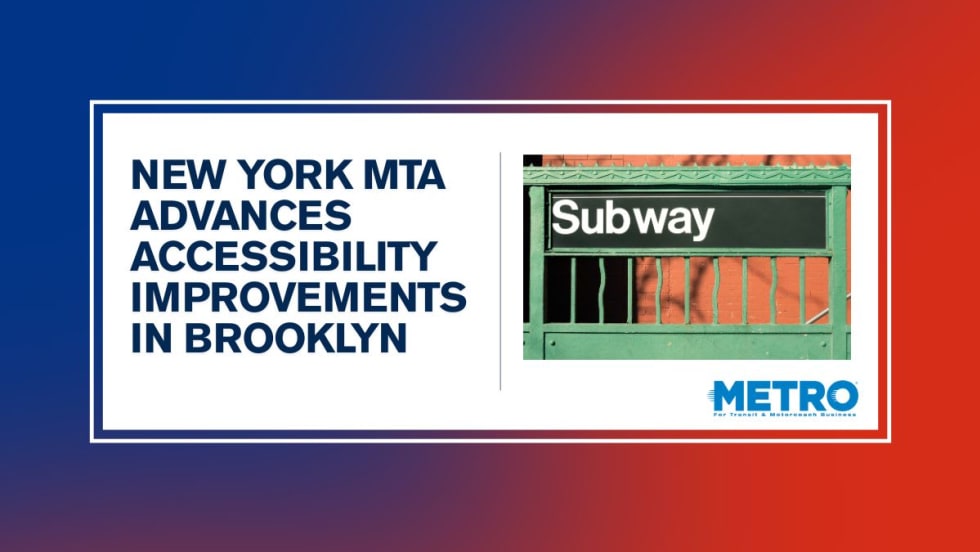
New York MTA Leverages Zoning Program to Advance Station Accessibility
Accessibility enhancements at Nevins St Station will be financed through a development agreement tied to the MTA's Zoning for Accessibility initiative.
Read More →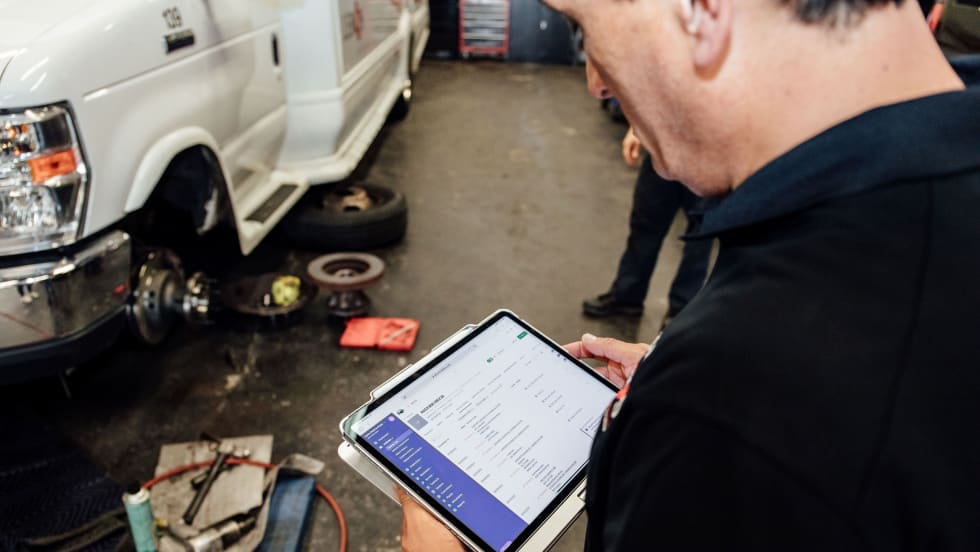
Reinventing Fleet Maintenance with Real-time Visibility and AI
Transit leaders need to know what needs fixing, where to look, who is responsible, when work is completed, and what it costs without having to chase information across disconnected systems.
Read More →
SamTrans Sets Priorities for Potential Connect Bay Area Revenue
The board-approved framework allocates future funding to maintaining service, rider improvements, equity initiatives, and infrastructure repairs.
Read More →
Chicago's NITA Act Moves Into Next Phase as Service Improvements Begin
Rider-focused improvements will begin rolling out across the system immediately as CTA, Metra, and Pace increase service this summer in the six-county region.
Read More →
Sponsored•May 27, 2026
2026 METRO Buyer’s Guide & Directory
Searching for the right vehicles, technology, equipment, or services for your public transit or motorcoach operation? This industry guide brings together manufacturers and suppliers from across the transportation market — all in one place. Download it to connect with the companies that help agencies and operators improve mobility, enhance operations, and move their organizations forward.
Read More →
Rays the Mark Foundation to Honor CDTA’s Emily DeVito at October Fundraiser
Event at Chicago-area Ravisloe Country Club will support DeVito, a transit employee and mother of twins battling kidney failure and awaiting a transplant.
Read More →
King County Test Heliox Chargers, Keolis Lands California Contract Top Biz Briefs
Stay informed with these quick takes on the projects and companies driving progress across the transportation landscape.
Read More →
Spare Expands AI-Native Operations Platform With Fixed-Route Capabilities
The launch marks a major milestone in Spare’s vision for unified transit operations.
Read More →
Via Announces Scheduling and Supply Studio
The Scheduling and Supply Studio provides the world’s first fully integrated platform for optimizing vehicle and driver availability to rider demand, said company officials.
Read More →