




Around the Agency: WMATA Taps Reflexions to Modernize Digital Customer Experience
WMATA Approves $4.8B Budget
Once fully implemented, 75% of rail customer trips will have service every six minutes or better and the bus network will expand to 21 lines.
April 17, 2023
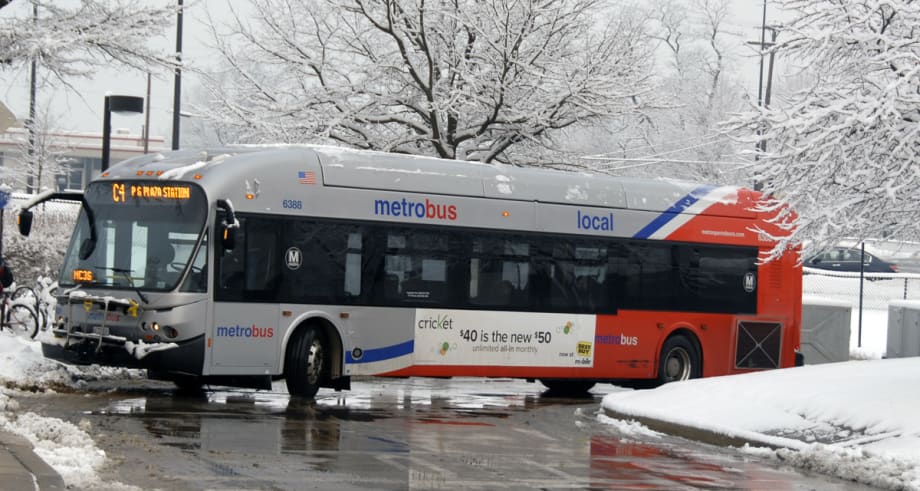
Metrobus changes, simplified fares, and Metro’s first low-income fare programs are scheduled to take effect on or about July 1, 2023.
Photo: WMATA
4 min to read
The Washington Metropolitan Area Transit Authority’s (Metro) board approved the $4.8 billion capital and operating budget for fiscal year (FY) 2024 which supports increased bus and rail services, simplifies fares for customers, creates a new low-income fare program, caps MetroAccess fares at $4, furthers the Better Bus Initiative, and enhances safety measures, according to the agency's news release.
Additionally, the $2.4 billion capital budget allocates funds to invest in infrastructure projects and sustainability efforts to ensure #YourMetro is safe. This includes building new bus garages to support a zero-emission bus fleet, new Metrobuses, and MetroAccess vehicles, advancing Metro’s new 8000-series railcars, technology upgrades to support next-generation train systems, and development of Blue, Orange, and Silver rail line corridor improvements.
“The FY 2024 budget focuses on optimizing Metro services while continuing to invest in long-term infrastructure and sustainability projects,” said Randy Clarke, Metro GM/CEO. “With this budget, we are proud to invest in more frequent rail and bus service and a better customer experience, maximizing the value we deliver to the region with available resources.”
Once fully implemented, 75% of rail customer trips will have service every six minutes or better. The bus network will expand to 21 lines, serving half of bus customers with Metro’s most frequent all-day service
“This budget represents Metro’s continued commitment to provide safe, reliable, affordable, and sustainable service by creating a more simplified and equitable fare system, optimizing the frequency of Metrobus and Metrorail services, and increasing public safety throughout the transit system,” said Paul C. Smedberg, WMATA Board chair. “And while this budget represents a big leap forward, Metro will continue looking for additional ways to be responsive to our customers’ and the region’s needs as the DMV continues to grow and evolve.”
Green and Yellow line trains will arrive every six minutes all day. This budget delivers the highest amount of trains in Metro's history on the Southern Green Line. Yellow Line trains will operate between Huntington and Mt Vernon Square only. The Yellow Line turnback starts on May 7, 2023, with the reopening of the Yellow Line Bridge.
In addition, Orange Line trains will operate every 7.5 minutes on average during peak service and every 10 minutes during off-peak service. Printed system maps representing the new changes will be gradually rolled out in the coming months and posted in stations to reflect the Yellow Line service change and new Potomac Yard station. Updates on digital signage will immediately be reflected.
Metro added that it aims to improve bus service reliability and frequency, increase equity, and provide more efficient transit services to meet the needs of the community.
The following bus lines will increase frequency and expand access:
The B2 route will increase frequency to every 12 minutes all day.
The A12 route will be restructured and extended into two routes connecting to the Downtown Largo and New Carrollton Stations, both operating every 20 minutes.
The 16M service will be a restructuring of the existing 16G and 16H service, connecting Skyline City to National Landing along Columbia Pike every 12 minutes all day.
Route 11C will be replaced by a reinstated Route 11Y, charging Express fare, with service every 24 minutes during peak periods.
For the first time, MetroAccess fare will be capped at $4.
“This is a win for customers,” said Board member Sarah Kline. “We know MetroAccess serves our most vulnerable populations. To make this change for customers who use this service really does highlight our focus on equity across all Metro services.”
Customers who travel the longest distance will experience maximum Metrorail fares at $6 on weekdays and $2 on late nights and weekends which will eliminate weekday peak and off-peak fares.
Metro also will launch a first-time region-wide low-fare program that offers customers enrolled in the Supplemental Nutrition Assistance Program (SNAP) a 50% discount on trips.
In addition, the Board of Directors proposed an amendment to the FY 24 budget which will waive the $2 fee for Senior SmarTrip cards after Metro staff conducts a Title VI equity analysis and public participation and the Board of Directors approves the report. If approved, it will eliminate the $2 fee assessed for a card.
Metrorail service changes approved in the FY24 budget are expected to be implemented during the summer and fall of 2023 as more railcars and operators become available. Metrobus changes, simplified fares, and Metro’s first low-income fare programs are scheduled to take effect on or about July 1, 2023.
More Management
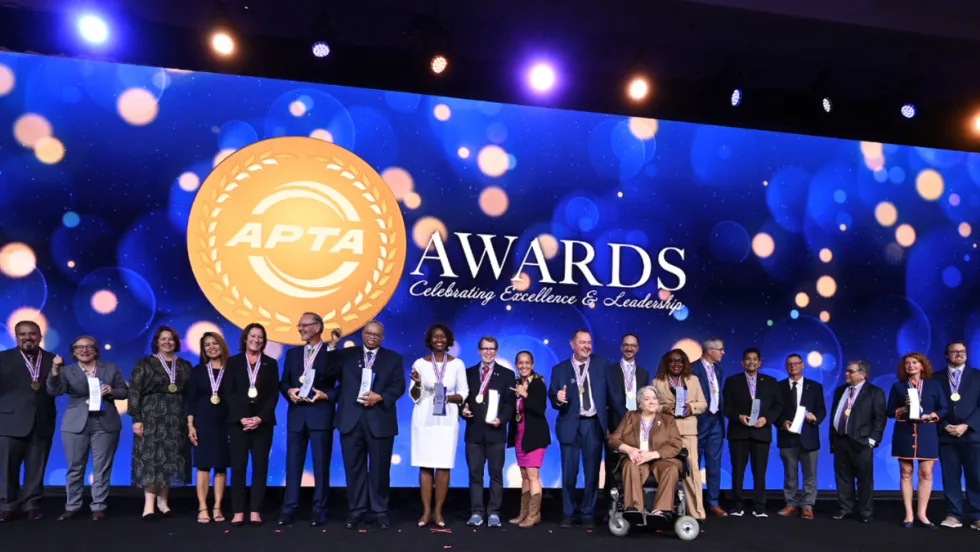
APTA Honors 2026 Award Winners, Hall of Fame Inductees at TRANSform & EXPO
Innovations in autonomous and zero-emission transportation, standout transit systems, and industry leadership took center stage among this year's honorees.
Read More →
7 Ways to Build a Better Transit Internship Program
Lessons from DRPA/PATCO’s approach to creating a meaningful internship experience—and developing the next generation of transportation professionals.
Read More →
Scenes from APTA TRANSform & EXPO 2026
Transit leaders, manufacturers, and industry professionals gathered in Chicago to explore new technologies, share ideas, and discuss the future of public transportation.
Read More →
Building Stronger Leaders, More Resilient Transit Teams
Dr. Carol Parker Walsh discusses leadership development, employee retention, workplace culture, and preparing transit’s workforce for AI and automation.
Read More →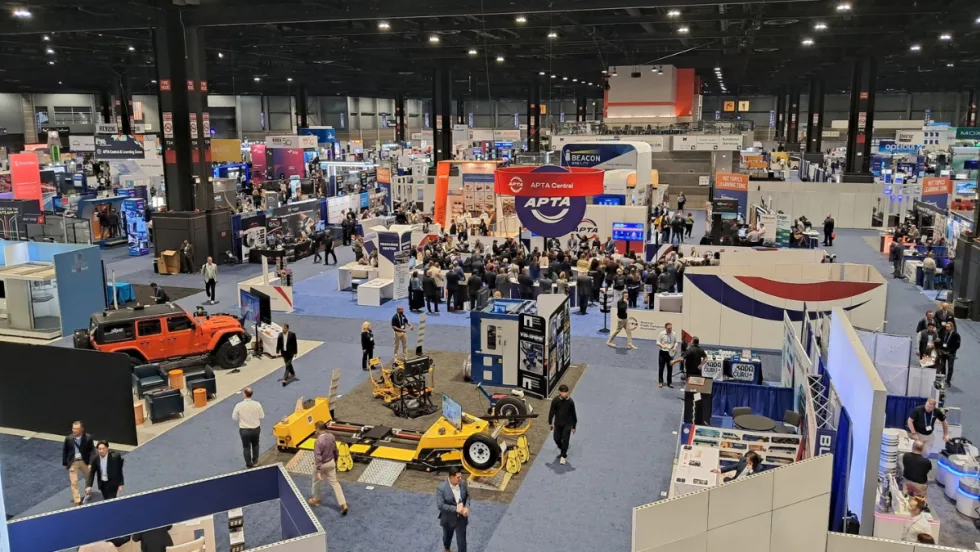
APTA 2026 TRANSform & EXPO Kicks Off in Chicago
After 45 years, APTA returns to Chicago with a focus on next-generation fleets, AI, connected transit networks, and the funding strategies shaping public transportation’s future.
Read More →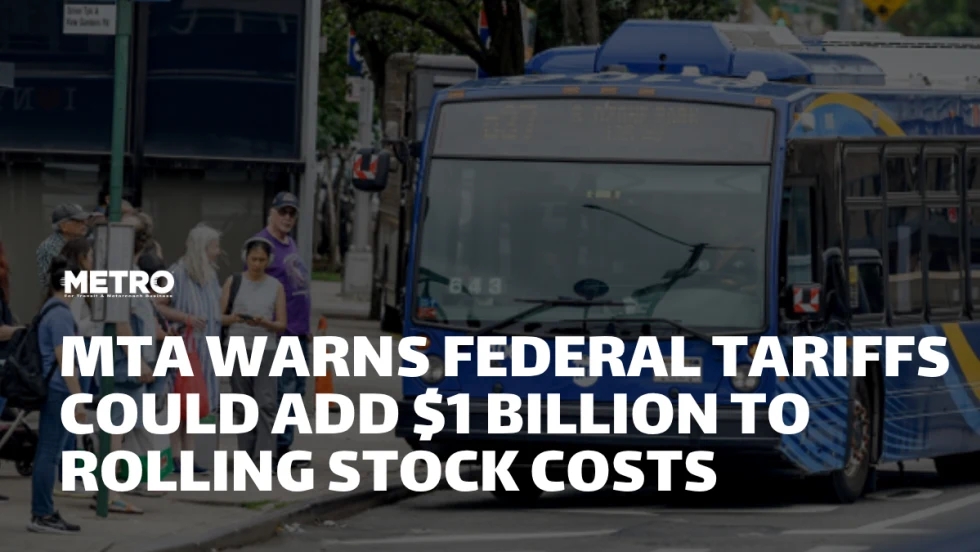
New York MTA Warns Federal Tariffs Could Add $1 Billion to Rolling Stock Costs
The agency said tariffs on specialized imported components could reduce the purchasing power of its $23 billion investment in new subway cars, railcars, and buses.
Read More →
From the Show Floor: What Happened at APTA TRANSform & EXPO 2026
See the latest product launches, partnerships, technology updates, and transit industry announcements from APTA TRANSform & EXPO in Chicago.
Read More →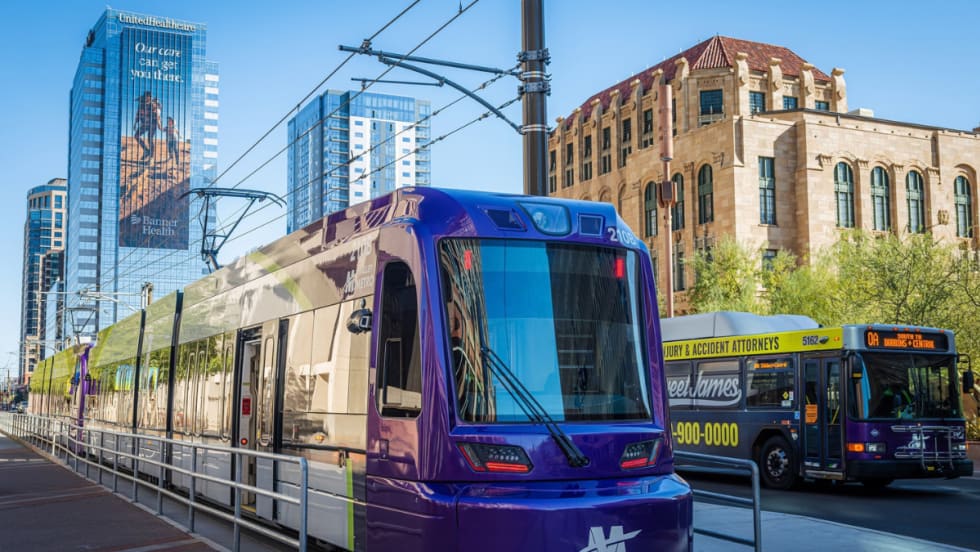
How Valley Metro Is Balancing Transit Growth With the Rider Experience
The APTA award-winning agency is pairing rapid system expansion with investments in workforce, safety, technology, and the fundamentals of transit service.
Read More →
Bus Tech Talk: Keeping Transit Technicians Ahead of the Technology Curve
In this episode of Bus Tech Talk, Complete Coach Works’ Business Development Manager Mark Hollenbeck and METRO’s Executive Editor Alex Roman sit down with Obed Mejia, Senior Technical Trainer for Bus Maintenance, at LA Metro to discuss how rapidly evolving bus technology is changing the maintenance shop — and the skills technicians need to keep pace.
Read More →
Michael Schneider Joins Paslay Group to Expand Transportation Practice
The longtime transportation executive will help Paslay Group grow its advisory and program management work across transit, highway, and other infrastructure sectors.
Read More →