



California's OCTA Lands $7M for Rail Protection
The new funding from the state allows the OCTA and Metrolink project team to move forward on constructing a catchment wall at Mariposa Point in San Clemente, as well as other mitigation to protect the track from soil and debris.


The OCTA and Metrolink project team, which has been working to replace the plastic tarps on the site to protect the slope as much as possible from further saturation, will continue to inspect the slope and monitor for any additional slope movement.
Photo: OCTA
The California Transportation Commission (CTC) awarded $7.2 million to the Orange County Transportation Authority (OCTA) for a construction project to help restore a critical link in Southern California’s rail network.
The new funding from the state — in response to a request sent by OCTA CEO Darrell E. Johnson — allows the OCTA and Metrolink project team to move forward on constructing a catchment wall at Mariposa Point in San Clemente, as well as other mitigation to protect the track from soil and debris from a privately owned slope that slid into the rail right of way in late January.
The $7.2 million is in addition to a previous award from the state of $2 million for cleanup and pre-construction activities at the site. That money was made available when Caltrans declared an official emergency.
Next Steps to Repair Rail Network
With this new emergency allocation, Metrolink signed a design-build contract with Condon-Johnson & Associates, a construction firm that has worked with OCTA on previous emergency rail protection efforts in San Clemente.
As details of the contract are finalized, OCTA, Metrolink, and the LOSSAN Rail Agency, which manages Amtrak’s Pacific Surfliner service, will work on a timeline for safely resuming limited passenger rail service as soon as possible. That timeline has not been determined at this point. The safety of passengers will continue to guide that decision.
The Line’s Issues
Out at the Mariposa Point site (Milepost 204.2), with the project team’s work to remove some additional soil and debris that fell into the rail right of way, BNSF has resumed running freight trains overnight at reduced speed. Those overnight freight trips are expected to continue as the project team closely monitors the slope to ensure safety.
The OCTA and Metrolink project team, which has been working to replace the plastic tarps on the site to protect the slope as much as possible from further saturation, will continue to inspect the slope and monitor for any additional slope movement. More rain is expected late in the weekend and into next week.
Unfortunately, it is becoming increasingly common for California’s transportation infrastructure to suffer storm-related damage, forcing closures and delays. Most recently, indefinite nightly closures were announced for a six-mile stretch of PCH north of Malibu where storm damage sheared off stretches of the roadway.
The Root of the Issues
The rail line was closed through San Clemente the evening of Wednesday, Jan. 24, when a landslide on private property above the city-owned Mariposa Trail Pedestrian Bridge caused major damage to the bridge and scattered debris onto the track.
OCTA, which owns the track, worked with partners at Metrolink and contractors to quickly mobilize emergency crews, who used heavy machinery on the rails to remove debris and haul away two large spans of the bridge, each weighing 24,000 pounds. The OCTA and Metrolink team continues to work to resume safe passenger rail service as soon as possible.
Over the past three years, San Clemente’s eroding bluffs — on both city and private property — have repeatedly forced the closure of the rail line, which has operated largely uninterrupted for more than 125 years.
More Rail
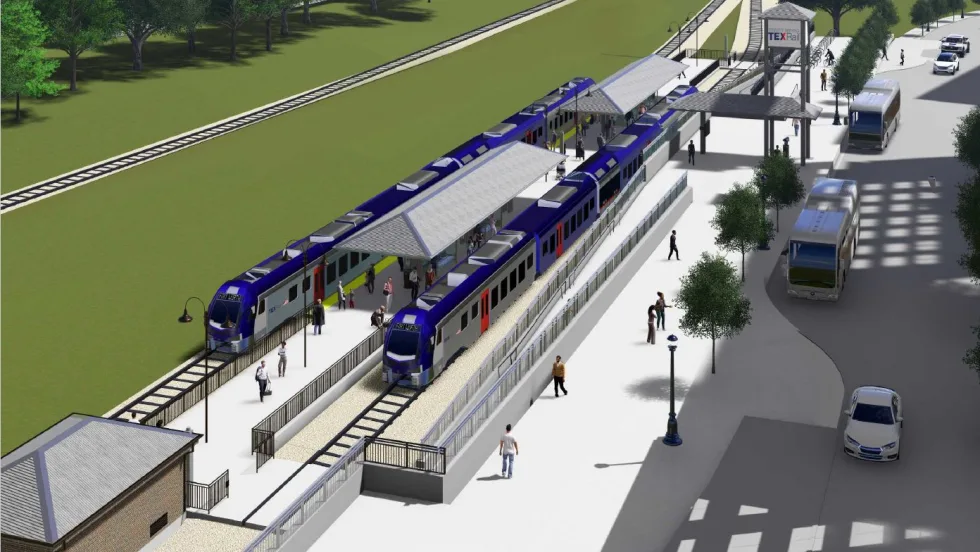
Trinity Metro Breaks Ground on $270M TEXRail Extension
The 2.1-mile extension will connect Fort Worth’s Medical District and Near Southside to downtown, surrounding communities, and Dallas-Fort Worth International Airport.
Read More →
Bringing Austin’s First Light Rail System to Life
Austin Transit Partnership CEO Greg Canally discusses the city's nearly 10-mile light rail project, its collaborative approach to project delivery, the importance of community engagement, and the milestones ahead as construction approaches in 2027.
Read More →
Metra Draft Plan Outlines Costs, Service Improvements for Regional Rail
The Systemwide Network Plan identifies infrastructure needs and potential investments to expand all-day, bidirectional rail service across the Chicago region.
Read More →
Amtrak Completes First Street Tunnel Upgrades, Restores Service
The nine-day construction project included replacing aging track infrastructure and modernizing switch systems near Washington Union Station.
Read More →
FRA Announces $2.3B for Passenger, Freight Rail Projects Nationwide
The CRISI Grant Program funding will support rail infrastructure improvements, safety upgrades, and projects aimed at improving freight and passenger rail service across 45 states and Washington, D.C.
Read More →
Caltrain’s Electrification Drives a New Era of Ridership Growth
The railroad’s shift to electric service has brought more frequent trains, stronger customer satisfaction, and increased ridership, earning it APTA’s Outstanding Public Transportation System award.
Read More →
FTA Advances $164M Broward County Commuter Rail Project
The proposed 10.5-mile commuter rail extension would connect Fort Lauderdale and Aventura, expanding passenger rail options in South Florida.
Read More →
New York MTA Launches Historic $1.9B Signal, Track Modernization Project
Funded in part by congestion pricing revenue, the project will replace nearly century-old signals along the A and C lines in Brooklyn and Queens.
Read More →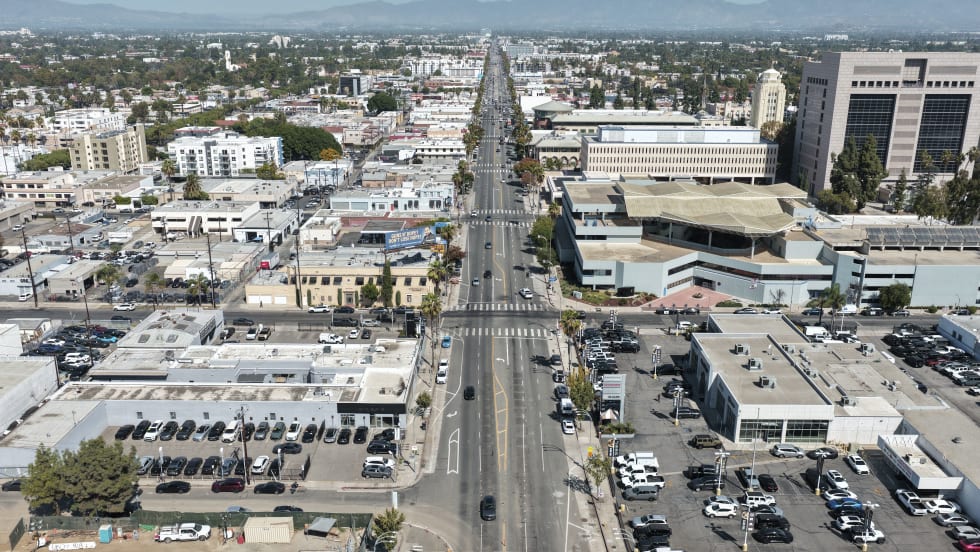
LA Metro Breaks Ground on East San Fernando Valley Light Rail Project
The 6.7-mile line will add 11 stations along Van Nuys Boulevard, expand access to jobs and regional transit connections, and support Metro’s broader efforts to improve mobility as rail ridership grows.
Read More →
CSA Group Releases Climate Resilience Standard for Transit, Passenger Rail
Developed with support from the Standards Council of Canada, CSA D700 guides assessing climate-related risks and planning adaptation measures for transit and passenger rail systems.
Read More →