



FTA Awards $17M to Transit Oriented Development Projects
With funding from the Bipartisan Infrastructure Law, FTA’s Pilot Program for TOD Planning is helping communities develop local plans to encourage ridership by developing housing and businesses near transit corridors.

President Biden’s Bipartisan Infrastructure Law provides a total of $68.9 million in funding for the TOD Planning Program through 2026, a 38% increase over the prior five years of funding.
Photo: FTA/METRO
In a continuing effort to create more affordable housing and transportation choices for Americans, the Federal Transit Administration (FTA) announced $17.6 million in grants going to 20 communities in 16 states to support equitable transit-oriented development.
With funding from the Bipartisan Infrastructure Law, FTA’s Pilot Program for Transit-Oriented Development (TOD) Planning is helping communities develop local plans to encourage ridership by developing housing and businesses near transit corridors.
For the first time with the awards announced, each of the selected projects has an affordable housing component and will require no local matching funds, promoting equity and housing affordability nationwide. This second round of TOD planning grants since the Bipartisan Infrastructure Law will help more transit agencies make lasting changes in their communities by setting the stage for future development and jobs creation.
“Transportation and housing are the two biggest costs for most Americans,” said FTA Acting Administrator Veronica Vanterpool. “Today, we are delivering funding that will help create affordable places to live, while bringing down the costs of transportation for the people who live there. For communities all over the country that struggle to find extra funds for federal grants, this should be a message: if you are building good projects well, you will have the support of this Administration.”
Projects Receiving Funding
Some of the selected fiscal year 2023 projects include: (For a full list, click here.)
TheRegional Transportation District in Denver will receive $2 million to develop a TOD implementation plan for the proposed 20-mile, Federal Boulevard bus rapid transit (BRT) corridor. A special focus will be placed on affordable housing needs, providing equitable housing choices to historically disadvantaged populations, and avoiding the displacement of existing residents and small businesses. RTD will coordinate with Colorado Department of Transportation to identify improved first- and last-mile connections to better link surrounding neighborhoods to the proposed BRT stations.
The Miami-Dade Department of Transportation & Public Works in Miami will receive $1.25 million to create a station area and mobility plan to encourage equitable transit-oriented growth around the Little Haiti Station. The plan will enhance multimodal transportation options, provide access to job centers, and encourage affordable higher-density housing developments.
The Niagara Frontier Transportation Authority in Buffalo, N.Y., will receive $960,000 to plan for transit-oriented development along the proposed 7.5-mile Bailey Avenue BRT in Buffalo. The study will analyze the potential for TOD around the line, which will intersect with many transit routes from the center of the city through the east side, including connecting to Erie County’s inner suburbs.
Planning projects were selected for funding based on criteria described in the Notice of Funding Opportunity, which also marked the second time that applicants were asked to prioritize TOD in areas with high incidence rates of homelessness.
President Biden’s Bipartisan Infrastructure Law provides a total of $68.9 million in funding for the TOD Planning Program through 2026, a 38% increase over the prior five years of funding. Since 2015, FTA has provided approximately $122 million in federal support to fund TOD planning activities.
More Management

Bringing Austin’s First Light Rail System to Life
Austin Transit Partnership CEO Greg Canally discusses the city's nearly 10-mile light rail project, its collaborative approach to project delivery, the importance of community engagement, and the milestones ahead as construction approaches in 2027.
Read More →
ETA CEO John Maglio on Transit Technology, Innovation, and Building Agency Trust
ETA founder and CEO John Maglio explores the evolution of transit technology, the importance of reliable systems, and how stronger partnerships can help agencies improve operations and the passenger experience.
Read More →
Metra Draft Plan Outlines Costs, Service Improvements for Regional Rail
The Systemwide Network Plan identifies infrastructure needs and potential investments to expand all-day, bidirectional rail service across the Chicago region.
Read More →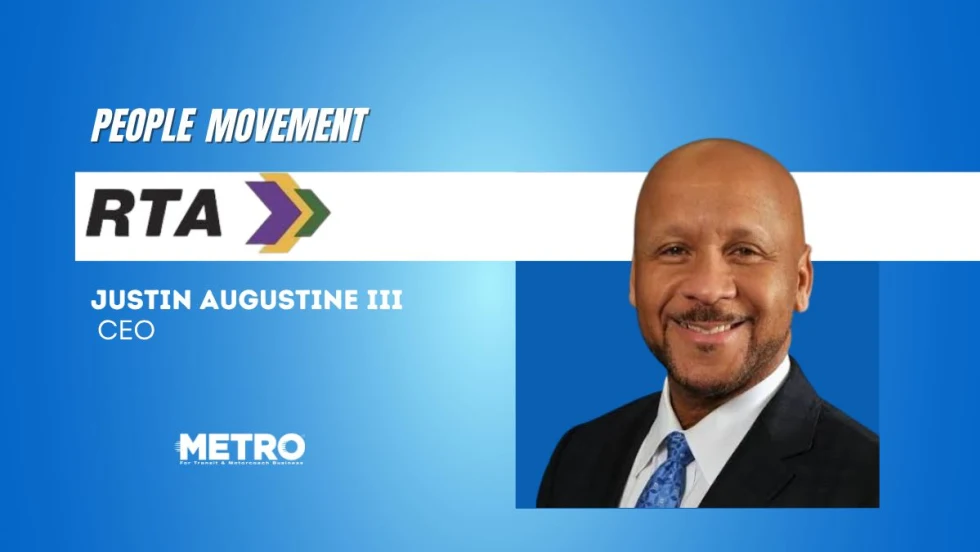
New Orleans RTA Names Augustine III as New CEO
In this edition, we also spotlight recent personnel moves at HDR, PATH, STV, and more, highlighting the people taking on new roles across the transportation industry.
Read More →
How Transit Agencies Are Using Free Rides to Improve Voting Access
Transit agencies are using fare-free service, trip-planning tools, and targeted rides to improve voting access. See what other agencies can learn from these efforts.
Read More →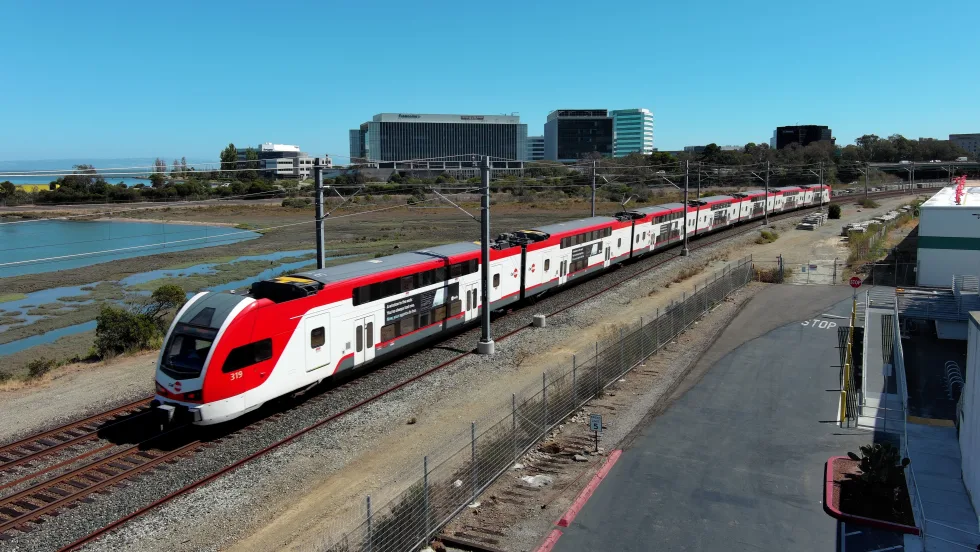
Caltrain’s Electrification Drives a New Era of Ridership Growth
The railroad’s shift to electric service has brought more frequent trains, stronger customer satisfaction, and increased ridership, earning it APTA’s Outstanding Public Transportation System award.
Read More →
Chicago, Charlotte Transit Agencies Expand Rider Support Programs
CTA launched crisis intervention teams as CATS prepares to deploy fare ambassadors, expanding customer assistance and security efforts across both systems.
Read More →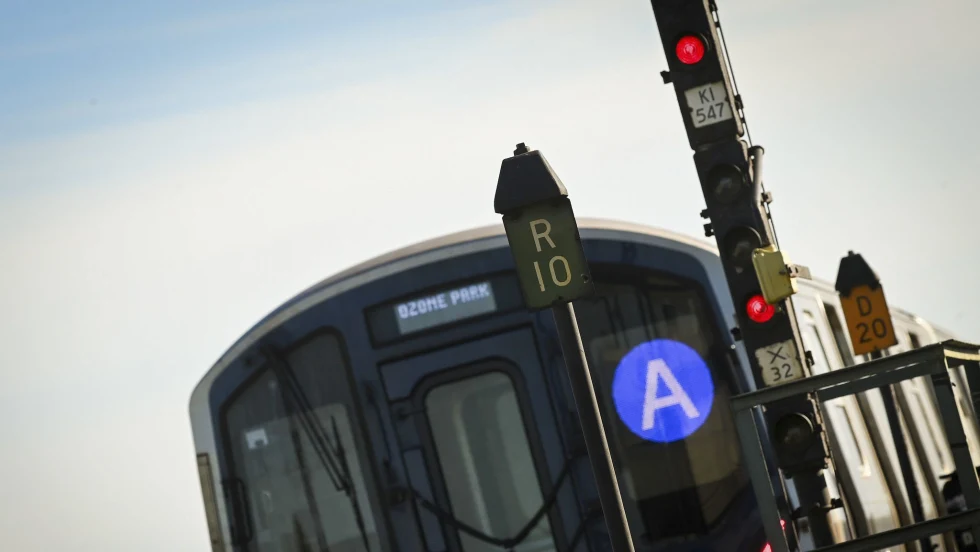
New York MTA Launches Historic $1.9B Signal, Track Modernization Project
Funded in part by congestion pricing revenue, the project will replace nearly century-old signals along the A and C lines in Brooklyn and Queens.
Read More →
Brian Dickson on Building Stronger, More Resilient Transportation Organizations
Bus Business Consultants Founder Brian Dickson discusses the leadership principles, operational discipline, and strategic planning that separate transportation companies positioned for long-term success from those stuck in survival mode.
Read More →
LA Metro Breaks Ground on Vermont BRT Project
The 12.4-mile corridor is projected to serve 66,200 daily riders, reduce travel times by up to 24%, and create the nation's busiest bus rapid transit corridor.
Read More →