



FTA Provides $110M in Funding to Help Transit Agencies Recover from Natural Disasters
The support, provided through FTA’s ER Program, will help agencies repair damaged equipment and facilities and recoup costs for evacuation and rescue operations following floods, hurricanes, and tornadoes occurring in 2017 and 2020 to 22.

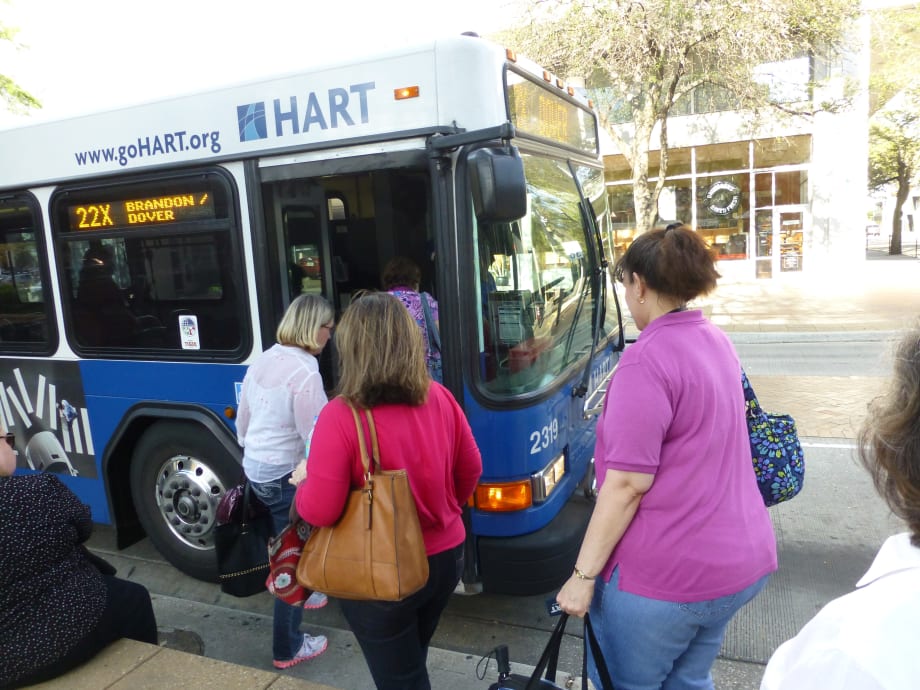
Hillsborough County, Fla.'s Hillsborough Regional Transit received $2.1 million for providing emergency services during Hurricane Ian in 2022.
HART

The ER program not only helps states and public transportation systems repair and replace equipment and facilities that have suffered serious damage, but also provides funding to reimburse transit agencies for the costs of evacuating people during storms, rescue operations, and providing temporary public transportation service.
Canva
The Federal Transit Administration (FTA) announced nearly $110 million in funding to eight public transportation providers and state Departments of Transportation in six states and one U.S. territory to help communities recover from recent natural disasters.
The support, provided through FTA’s Public Transportation Emergency Relief (ER) Program, will help agencies repair damaged equipment and facilities and recoup costs for evacuation and rescue operations following floods, hurricanes, and tornadoes occurring in 2017 and 2020 to 22.
“Americans cannot stop their lives because a disaster damages their transit systems,” said FTA Administrator Nuria Fernandez. “We know it is critical to fund recovery efforts for these systems, so they can keep taking Americans to work, school, doctors’ appointments, and other important destinations.”
Agencies and State DOTs Receiving Funds
The following public transportation providers and state DOTs will receive funding:
$2.1 million to the Hillsborough Regional Transit (HART) in Hillsborough County, Fla., for providing emergency services during Hurricane Ian in 2022.
$420,000 to the Kentucky Transportation Cabinet on behalf of the Fulton County Transit Authority to replace vehicles following a December 2021 tornado that struck Mayfield County, Ky.
18.6 million to the Plaquemines Port Harbor & Terminal District in the Plaquemines Parish of Louisiana to rehabilitate the Pointe à la Hache Ferry Crossing, which has been damaged by several major storms, including Tropical Storm Harvey in 2017 and Hurricane Ida in 2021.
$75 million to the New Jersey Transit Corp. to support repairs and relocation of a 70-year-old facility damaged during Hurricane Ida in 2021.
$201,160 to the Niagara Frontier Transportation Authority for emergency response operating costs following the December 2022 blizzard that impacted Erie and Niagara County, N.Y.
Nearly $13.2 million to the Puerto Rico Highways and Transportation Authority to rehabilitate Tren Urbano rail system facilities and systems following Hurricanes Irma and Maria in September 2017. $6,769 to the Puerto Rico Highways and Transportation Authority (Arroyo) to repair a maintenance facility damaged during Hurricane Maria in 2017.
$400,000 to the Brazos Transit District, which provides transportation services for 21 counties in central and east Texas, to repair a maintenance facility damaged in a February 2021 winter storm.
FTA’s ER Program
The ER program not only helps states and public transportation systems repair and replace equipment and facilities that have suffered serious damage, but also provides funding to reimburse transit agencies for the costs of evacuating people during storms, rescue operations, and providing temporary public transportation service.
Agencies may also use the support to reestablish, expand, or relocate service before, during or after an emergency.
The announcement reflects a second round of grants under the FY 2023 program. Last July, FTA announced $102.3 million in funding to 17 transit agencies, cities, and planning councils in eight states and territories to help recover from recent natural disasters.
The Consolidated Appropriations Act, 2023, signed into law in December 2022, provided the funding for the ER Program’s support for 2017 and 2020-22 declared disasters.
More Security and Safety

Transit Agencies Highlight Safety Gains at National Summit
Leaders from 15 major transit systems shared crime-reduction results and safety initiatives while discussing the role of continued federal support.
Read More →
DART Launches Major Security, Fare Enforcement Initiative
The 90-day demonstration will deploy coordinated security teams at five light rail stations while testing controlled access and gathering data to guide future investments.
Read More →
RTD Launches NextRide App to Consolidate Trip Planning, Fares, Security Reporting
The app expands on RTD’s existing NextRide web application and allows customers to view real-time vehicle locations and service alerts, purchase and store digital fares, and access customer support.
Read More →
TAPTCO Updates OSHA Compliance Training for Transit Maintenance Operations
The revamped program addresses 26 OSHA standards for maintenance facilities, with TAPTCO pointing to training, documentation, and everyday shop hazards as continuing challenges for transit operations.
Read More →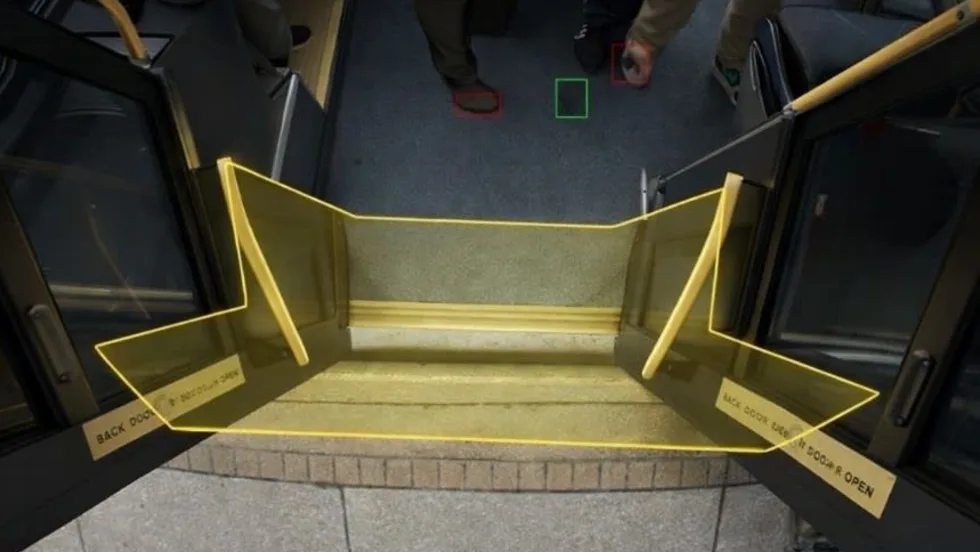
How VaporVision Adds Value to Transit Door Systems
Wabtec engineers explain how the system improves doorway detection, strengthens diagnostics and gives transit agencies and OEMs greater operating flexibility.
Read More →
FRA Announces $5.3B in Rail Investments, Including $2B for Amtrak
Funding will support grade-crossing improvements, infrastructure upgrades, and new Amtrak equipment in 23 states.
Read More →
Chicago, Maryland Expand Non-Law-Enforcement Safety, Rider Support
The CTA and MTA are launching new programs aimed at de-escalation, crisis response, rider assistance, and greater transparency.
Read More →
LA Metro, City of West Hollywood, and Partners Advance Smarter Bus Lane Enforcement
The award-winning partnership combines AI-powered detection with human oversight to improve bus reliability, accessibility, and enforcement efficiency.
Read More →
LA Metro Reports 57% Decline in Homelessness on Transit System Since 2024
The agency's latest homelessness count offers new data on how care-based services and cross-sector partnerships can complement traditional transit security strategies.
Read More →
FTA Launches 'Transit Moves America' Dashboard to Highlight Agency Safety and Performance
The online dashboard transforms National Transit Database information into a public-facing resource that allows users to compare transit agencies on key operational and safety metrics.
Read More →