




More News: Alstom to Overhaul, Modernize Commuter Railcars for Metrolinx
Chicago’s Metra Explores Financing Options to Fix Bridges
The railroad is considering applying for the Railroad Rehabilitation & Improvement Financing program as they face an estimated $5.4 billion in bridge projects.
January 23, 2025
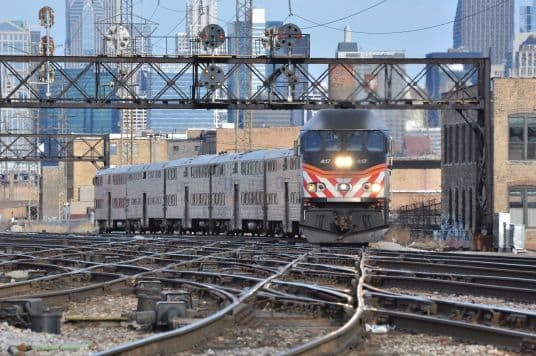
Metra owns 446 bridges with at least half of them sitting at 100 years old and in need of replacement.
Photo: Metra
3 min to read
Chicago’s Metra is exploring financing options to supplement their capital budget and tackle one of their most pressing needs, replacing scores of aging bridges.
The decision comes as the company is faced with a massive infrastructure backlog and a lack of adequate funding.
Bridges and Metra
Metra trains cross 926 bridges every weekday, and Metra owns 446 of those bridges.
At least half of the bridges Metra owns are more than 100 years old, with another 30% being more than 75 years old, which is the typical service life of a steel bridge.
The older bridges are currently safe but have surpassed their functional lifespan and are increasingly expensive to repair and maintain.
“There is no way around it — these bridges must be replaced, and they must be replaced soon, before our operations are impacted,” said Metra Executive Director/CEO Jim Derwinski. “Because this need is so urgent, we believe we must explore all our options, including financing, to address it.”
Needed Funding
Metra receives funding from local, state, and federal sources for capital needs such as bridges, however their needs are far greater than currently available funding.
During the development of its current five-year capital plan (2025-2029) Metra identified $5.4 billion in needs while only $2.1 billion is available in funding.
While Metra has the authority to issue revenue bonds, it is considering borrowing an estimated $230 million from the federal Railroad Rehabilitation & Improvement Financing (RRIF) program instead.
The program offers lower interest rates, a longer repayment period, no pre-payment penalty, and more flexible amortization.
Repayment is estimated at about $15 million to $20 million a year and would come from Metra’s normal operating fund sources, primarily fares and regional sales taxes.
The money would be used to complete funding for a major project to replace 11 bridges on the UP North Line between Fullerton and Addision on the North Side of Chicago.
It would also be used to rebuild the bridge over Grand Avenue on the Milwaukee District lines in Chicago, rebuild the bridge over the North Branch of the Chicago River on the Milwaukee District North Line in Northbrook, expand the bridge over North Branch of the Chicago River on the MD-N in Rondout, rehabilitate the bridge over Hickory Creek on the Rock Island Line between Mokena and New Lenox, and rebuild the bridge over 96th Avenue on the Rock Island Line in Mokena.
What’s Next?
The bridges were selected because the design process is or soon will be completed.
Metra expects the process for applying for and closing a RRIF loan to take about a year.
The first steps, expected to take about three months, are to submit and finalize a letter of interest with the U.S. Department of Transportation’s Build America Bureau and initiate an underwriting review.
Metra staff would then return to update the board of directors finance committee before the next step of engaging BAB advisors.
More Rail
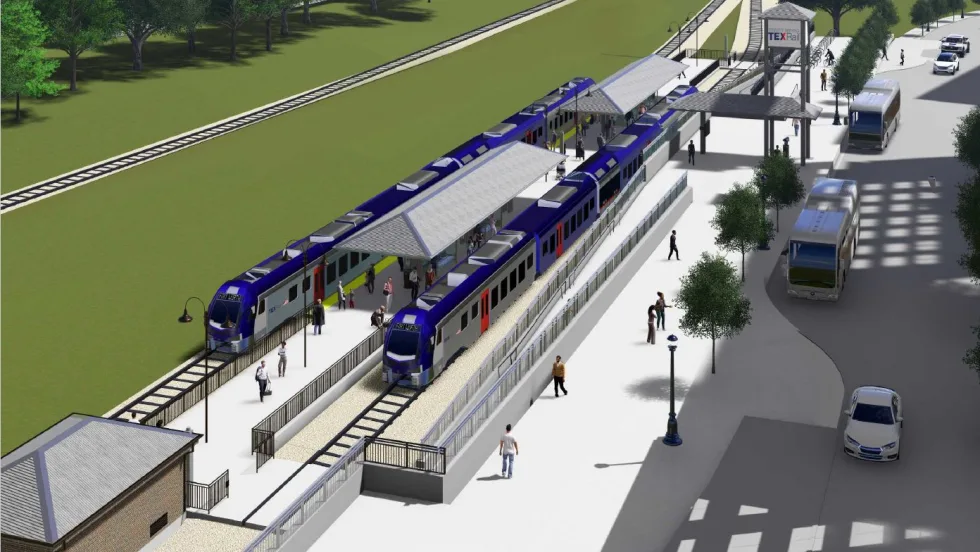
Trinity Metro Breaks Ground on $270M TEXRail Extension
The 2.1-mile extension will connect Fort Worth’s Medical District and Near Southside to downtown, surrounding communities, and Dallas-Fort Worth International Airport.
Read More →
Bringing Austin’s First Light Rail System to Life
Austin Transit Partnership CEO Greg Canally discusses the city's nearly 10-mile light rail project, its collaborative approach to project delivery, the importance of community engagement, and the milestones ahead as construction approaches in 2027.
Read More →
Metra Draft Plan Outlines Costs, Service Improvements for Regional Rail
The Systemwide Network Plan identifies infrastructure needs and potential investments to expand all-day, bidirectional rail service across the Chicago region.
Read More →
Amtrak Completes First Street Tunnel Upgrades, Restores Service
The nine-day construction project included replacing aging track infrastructure and modernizing switch systems near Washington Union Station.
Read More →
FRA Announces $2.3B for Passenger, Freight Rail Projects Nationwide
The CRISI Grant Program funding will support rail infrastructure improvements, safety upgrades, and projects aimed at improving freight and passenger rail service across 45 states and Washington, D.C.
Read More →
Caltrain’s Electrification Drives a New Era of Ridership Growth
The railroad’s shift to electric service has brought more frequent trains, stronger customer satisfaction, and increased ridership, earning it APTA’s Outstanding Public Transportation System award.
Read More →
FTA Advances $164M Broward County Commuter Rail Project
The proposed 10.5-mile commuter rail extension would connect Fort Lauderdale and Aventura, expanding passenger rail options in South Florida.
Read More →
New York MTA Launches Historic $1.9B Signal, Track Modernization Project
Funded in part by congestion pricing revenue, the project will replace nearly century-old signals along the A and C lines in Brooklyn and Queens.
Read More →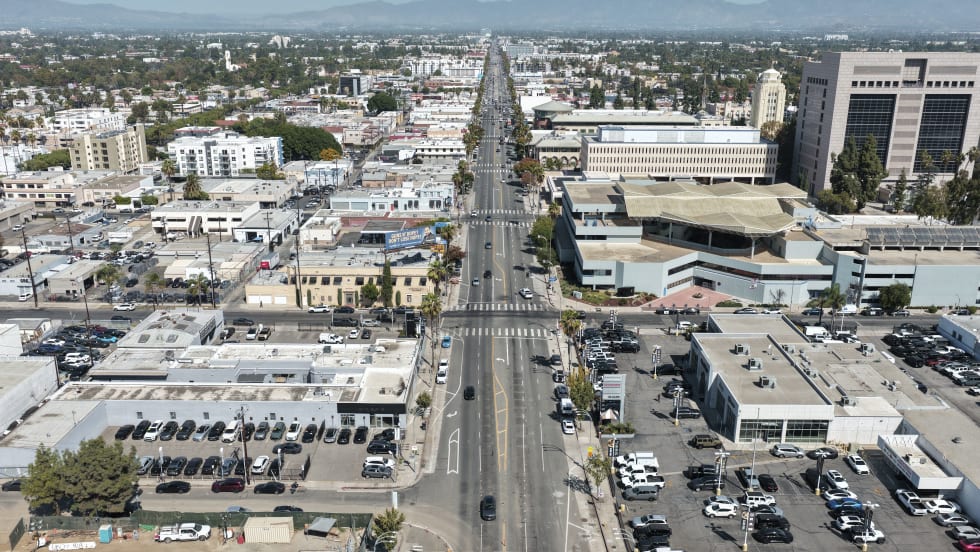
LA Metro Breaks Ground on East San Fernando Valley Light Rail Project
The 6.7-mile line will add 11 stations along Van Nuys Boulevard, expand access to jobs and regional transit connections, and support Metro’s broader efforts to improve mobility as rail ridership grows.
Read More →
CSA Group Releases Climate Resilience Standard for Transit, Passenger Rail
Developed with support from the Standards Council of Canada, CSA D700 guides assessing climate-related risks and planning adaptation measures for transit and passenger rail systems.
Read More →