



Milwaukee Launches Coach/Bus Operator and Mechanic Apprenticeships
The programs align with Gov. Tony Evers’ statewide recognition of apprenticeships as a cornerstone of Wisconsin’s workforce development strategy.

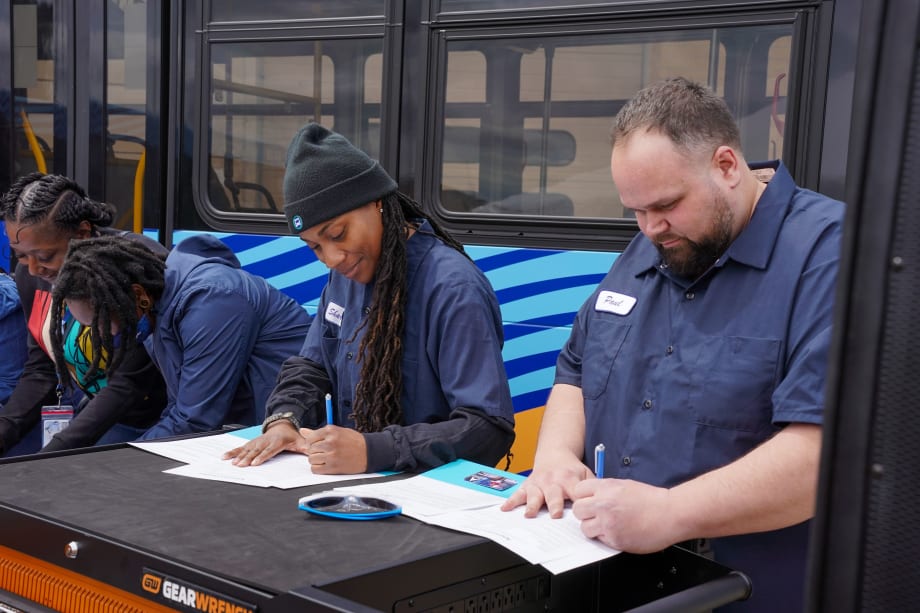
The apprenticeship event featured remarks from state and county leaders, a ceremonial apprenticeship signing, and a presentation of toolboxes and gear to the inaugural class of apprentices.
Photo: MCTS
The Milwaukee County Transit System (MCTS) launched new Coach/Bus Mechanic and Bus Operator Registered Apprenticeship programs, in partnership with the Wisconsin Department of Workforce Development (DWD) and the Amalgamated Transit Union (ATU).
The programs align with Gov. Tony Evers’ statewide recognition of apprenticeships as a cornerstone of Wisconsin’s workforce development strategy.
“We encourage other transit agencies across the state to start a similar workforce initiative to address the shortage of bus operators and mechanics,” said MCTS Interim President/CEO Julie Esch. “This shortage comes in the face of a growing trend of increased bus ridership in Wisconsin.”
MCTS’ Bus Mechanic Apprenticeship Program
MCTS is offering an 18-month Registered Apprenticeship program for mechanics, through the Wisconsin Department of Workforce Development Bureau of Apprenticeship Standards.
Once the apprentices fulfill program requirements, they can move into mechanic positions with MCTS.
The curriculum consists of hands-on learning and mentorship at MCTS.
Because the lack of a toolkit is often a barrier to moving up the career ladder into a mechanic position, MCTS will award each mechanic apprentice with a set of tools valued at $4,000 for their training, which will become the apprentice’s own when they complete the program.
Each apprentice will earn between $30 to $33 per hour (depending on their position prior to starting the program). Each trainer will receive an additional $4 per hour above their current wages for their time invested in the apprentices.
The apprentices will receive a Coach/Bus Mechanic Journey worker’s card issued by the State of Wisconsin upon completion of the program.
The goal is to begin each 18-month program with two mechanic apprentices.
About the Bus Operator Program
The agency is also offering a 12-month Registered Apprenticeship program for new bus operators, through the Wisconsin Department of Workforce Development Bureau of Apprenticeship Standards.
In addition to on-the-job learning, apprentices will also meet with a mentor who will provide additional guidance to ensure the long-term success of the apprentice.
The apprenticeship program is expected to improve the retention of new bus operators.
The operator apprentices are selected both internally and externally for the full-year program. Each candidate will have excellent customer service skills.
Each operator apprentice will be assigned to a mentor. The mentor will be a current employee who can coach the new employee and share experiences — all have been bus operators at Milwaukee County Transit System for at least three years.
Each apprentice will earn $24.54 per hour. Each mentor-trainer will receive an additional $2 per hour above their current wages for their time invested in the apprentices.
Apprentices will receive a Coach/Bus Operator Journey worker’s card issued by the State of Wisconsin upon completion of the program.
MCTS’s goal is to begin with an inaugural group of 25 operator apprentices and two mechanic apprentices, with the agency now accepting applications for the next class in the fall.
More Management
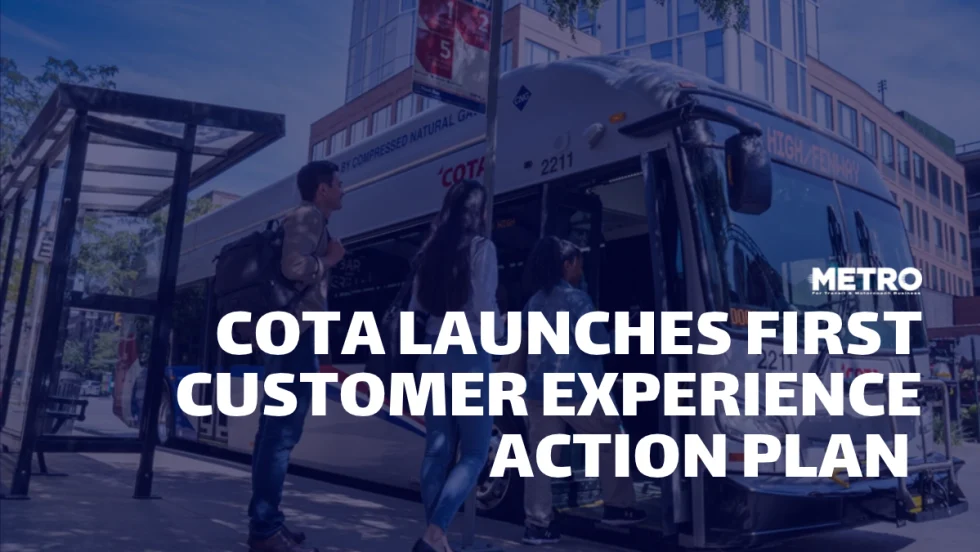
COTA Launches First Customer Experience Action Plan to Improve Transit Service
The new plan outlines improvements to service reliability, accessibility, communication, and the overall rider experience across Central Ohio's transit system.
Read More →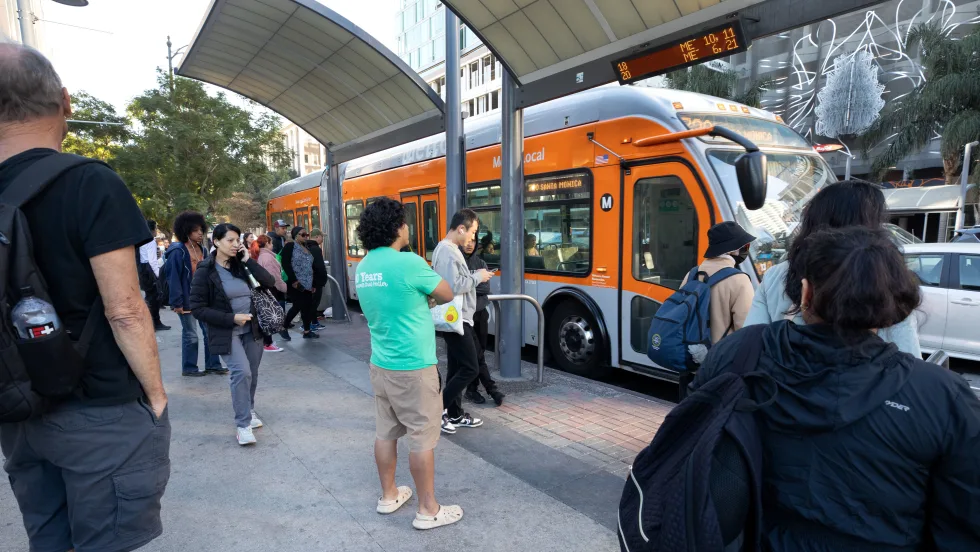
LA Metro September Ridership Climbs 3.9%, Led by Rail Growth
The agency recorded more than 27.2 million boardings, with rail ridership increasing 12.4% year over year and the D Line posting the largest gains.
Read More →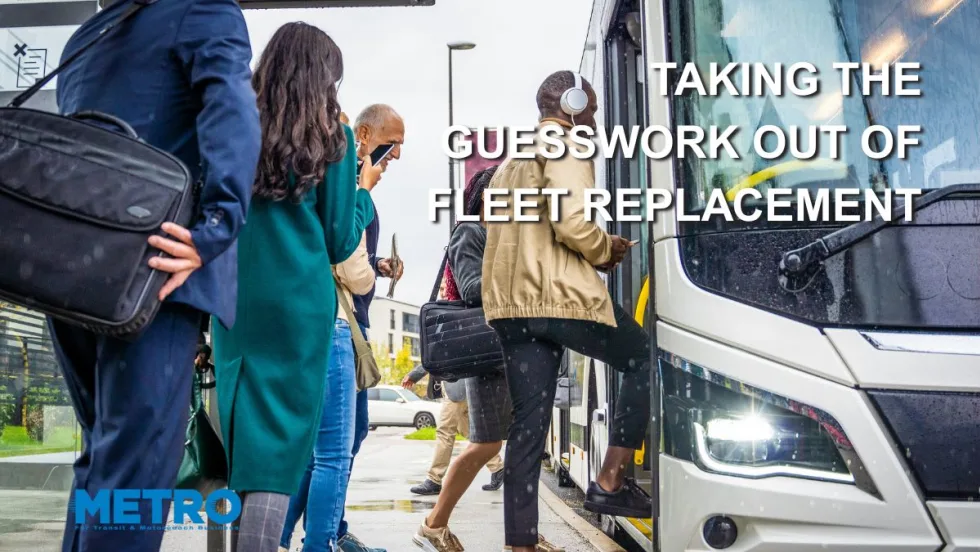
Utilimarc Launches SmartReplace to Optimize Fleet Replacement Decisions
AI-powered SmartReplace helps fleets prioritize vehicle replacements, model budget scenarios, and build more defensible long-term strategies.
Read More →
APTA Honors 2026 Award Winners, Hall of Fame Inductees at TRANSform & EXPO
Innovations in autonomous and zero-emission transportation, standout transit systems, and industry leadership took center stage among this year's honorees.
Read More →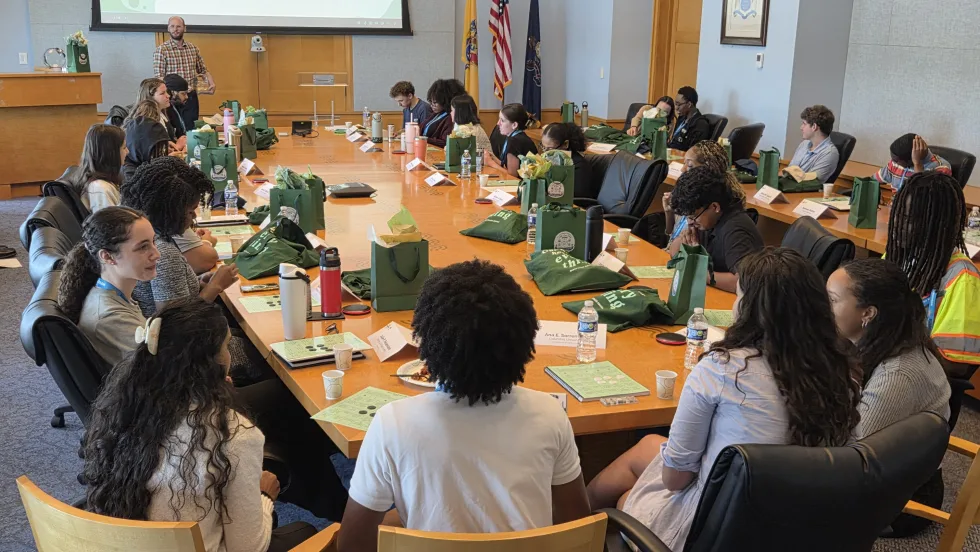
7 Ways to Build a Better Transit Internship Program
Lessons from DRPA/PATCO’s approach to creating a meaningful internship experience—and developing the next generation of transportation professionals.
Read More →
Scenes from APTA TRANSform & EXPO 2026
Transit leaders, manufacturers, and industry professionals gathered in Chicago to explore new technologies, share ideas, and discuss the future of public transportation.
Read More →
Building Stronger Leaders, More Resilient Transit Teams
Dr. Carol Parker Walsh discusses leadership development, employee retention, workplace culture, and preparing transit’s workforce for AI and automation.
Read More →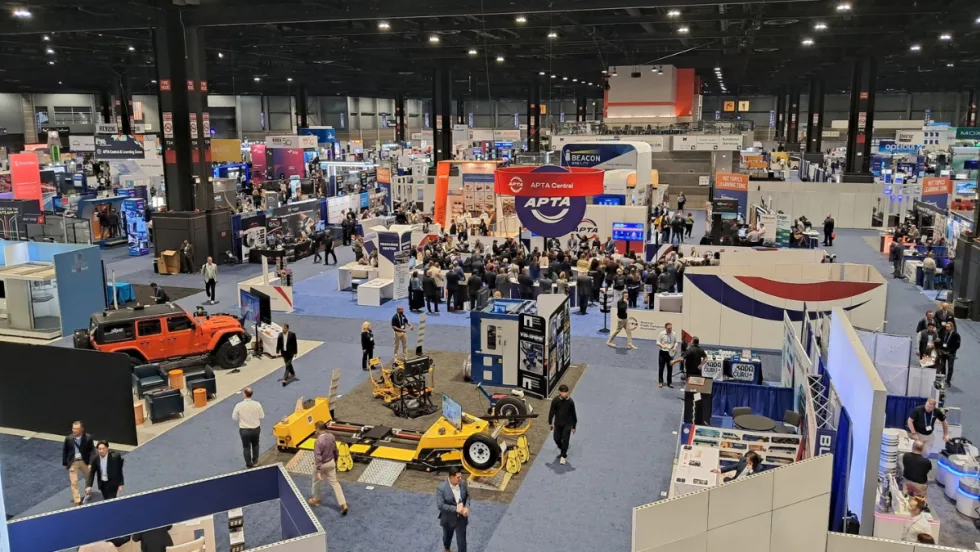
APTA 2026 TRANSform & EXPO Kicks Off in Chicago
After 45 years, APTA returns to Chicago with a focus on next-generation fleets, AI, connected transit networks, and the funding strategies shaping public transportation’s future.
Read More →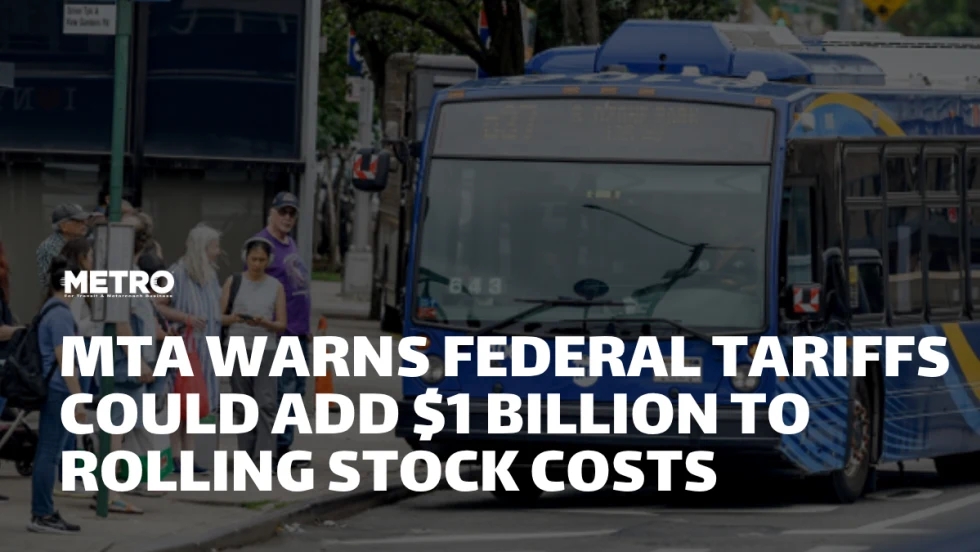
New York MTA Warns Federal Tariffs Could Add $1 Billion to Rolling Stock Costs
The agency said tariffs on specialized imported components could reduce the purchasing power of its $23 billion investment in new subway cars, railcars, and buses.
Read More →
From the Show Floor: What Happened at APTA TRANSform & EXPO 2026
See the latest product launches, partnerships, technology updates, and transit industry announcements from APTA TRANSform & EXPO in Chicago.
Read More →