



Boston's MBTA Greenlights 5-Year, $9.8B Investment in Transit Infrastructure
The latest CIP reflects the state’s commitment to transformative transportation investments and outlines the MBTA’s strategic vision for a modern transit network that can support the needs of current riders while preparing for future growth.


The latest CIP reflects the state’s commitment to transformative transportation investments and outlines the MBTA’s strategic vision for a modern transit network that can support the needs of current riders while preparing for future growth.
Photo: Keolis/MBTA
The Massachusetts Bay Transportation Authority (MBTA) board unanimously approved the agency’s Fiscal Years 2026–2030 Capital Investment Plan (CIP) — a bold, five-year roadmap that allocates $9.8 billion toward more than 660 individual capital projects aimed at modernizing infrastructure; expanding capacity; and improving safety, accessibility, and reliability across the MBTA system.
The latest CIP reflects the state’s commitment to transformative transportation investments and outlines the MBTA’s strategic vision for a modern transit network that can support the needs of current riders while preparing for future growth.
“The Healey-Driscoll administration is making transformative investments in the state’s transportation system,” said Massachusetts Transportation Secretary/CEO Monica Tibbits-Nutt in a press release. “The MBTA’s five-year Capital Investment Plan puts us on a path toward stronger service, greater reliability, and long-term competitiveness. This plan includes historic funding levels to modernize our fleet, improve infrastructure, and advance climate and equity goals.”
Strategic Priorities and Key Investments
The FY26–30 CIP focuses on three core objectives:
Timely Maintenance: Reinforcing progress on infrastructure upgrades, safety enhancements, and service continuity.
Building for the Future: Investing in projects that lay the groundwork for long-term system resilience and capacity expansion.
Improving Rider Experience: Enhancing service reliability, accessibility, and environmental sustainability.
“The CIP is the foundation for stabilizing and improving service today, while building a system for future generations,” said Phillip Eng, MBTA GM/CEO, in a release. “We’re grateful for the public input that helped shape this plan, and we’re committed to staying nimble as we work to deliver meaningful results.”
Highlights from the investment portfolio include:
Commuter Rail modernization, including replacing aging locomotives and adding bi-level coaches to improve reliability and service frequency.
Upgrades to subway power systems, supporting critical reliability on the Red, Orange, Blue, and Green Lines.
Fleet modernization, featuring the continued rollout of new vehicles and signal systems on the Red and Orange Lines.
Station and rider facility improvements across the network to enhance accessibility and the customer experience.
The CIP also transparently outlines unfunded projects that were proposed but deferred due to financial constraints, highlighting the agency’s ongoing challenge of prioritizing vital improvements within a limited funding envelope.
More Management

7 Ways to Build a Better Transit Internship
Lessons from DRPA/PATCO’s approach to creating a meaningful internship experience—and developing the next generation of transportation professionals.
Read More →
Scenes from APTA TRANSform & EXPO 2026
Transit leaders, manufacturers, and industry professionals gathered in Chicago to explore new technologies, share ideas, and discuss the future of public transportation.
Read More →
Building Stronger Leaders, More Resilient Transit Teams
Dr. Carol Parker Walsh discusses leadership development, employee retention, workplace culture, and preparing transit’s workforce for AI and automation.
Read More →
APTA 2026 TRANSform & EXPO Kicks Off in Chicago
After 45 years, APTA returns to Chicago with a focus on next-generation fleets, AI, connected transit networks, and the funding strategies shaping public transportation’s future.
Read More →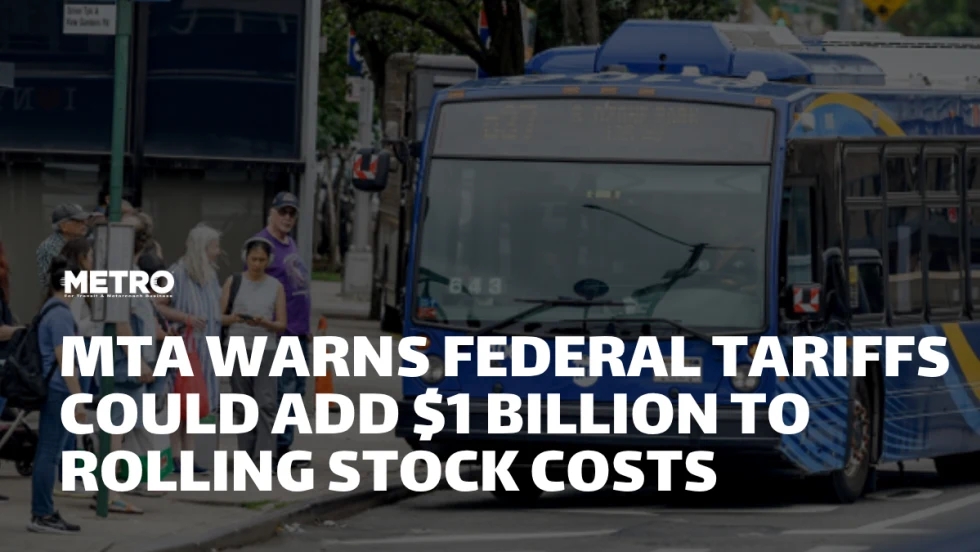
New York MTA Warns Federal Tariffs Could Add $1 Billion to Rolling Stock Costs
The agency said tariffs on specialized imported components could reduce the purchasing power of its $23 billion investment in new subway cars, railcars, and buses.
Read More →
From the Show Floor: What Happened at APTA TRANSform & EXPO 2026
See the latest product launches, partnerships, technology updates, and transit industry announcements from APTA TRANSform & EXPO in Chicago.
Read More →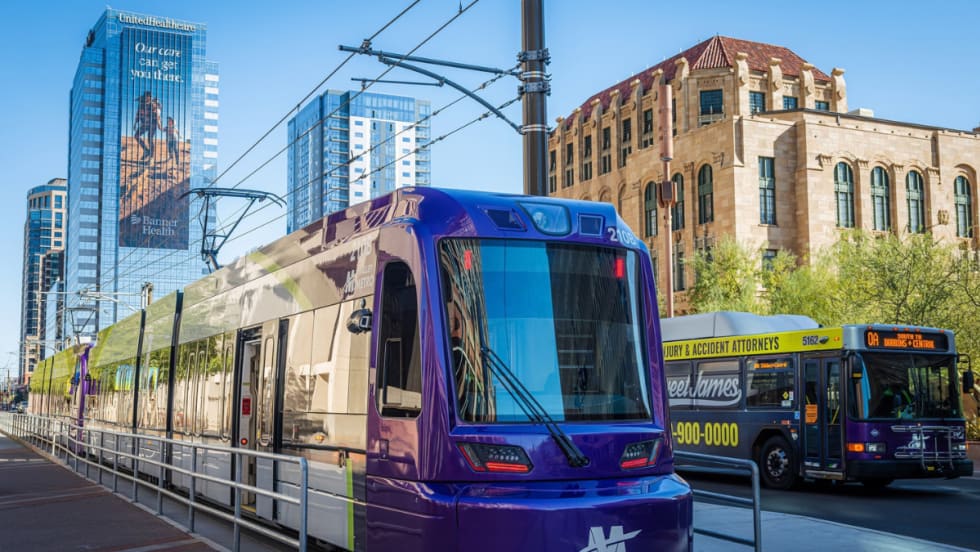
How Valley Metro Is Balancing Transit Growth With the Rider Experience
The APTA award-winning agency is pairing rapid system expansion with investments in workforce, safety, technology, and the fundamentals of transit service.
Read More →
Bus Tech Talk: Keeping Transit Technicians Ahead of the Technology Curve
In this episode of Bus Tech Talk, Complete Coach Works’ Business Development Manager Mark Hollenbeck and METRO’s Executive Editor Alex Roman sit down with Obed Mejia, Senior Technical Trainer for Bus Maintenance, at LA Metro to discuss how rapidly evolving bus technology is changing the maintenance shop — and the skills technicians need to keep pace.
Read More →
Michael Schneider Joins Paslay Group to Expand Transportation Practice
The longtime transportation executive will help Paslay Group grow its advisory and program management work across transit, highway, and other infrastructure sectors.
Read More →
People Movement: Connectpoint Expands Leadership Team, Stadler Names New Group CEO, and More
In this edition, we also spotlight recent personnel moves at Burns, UZURV, and more, highlighting the people taking on new roles across the transportation industry.
Read More →