




Related: Why a Pre-DOT Audit is Important for Motorcoach Companies
Fatal I-70 Crash Highlights Gaps in Motorcoach Oversight and Safe Truck Parking
Driver fatigue, poor oversight, and a shortage of safe truck parking contributed to a deadly 2023 collision in Illinois, prompting new NTSB safety recommendations to prevent future crashes.
May 22, 2025
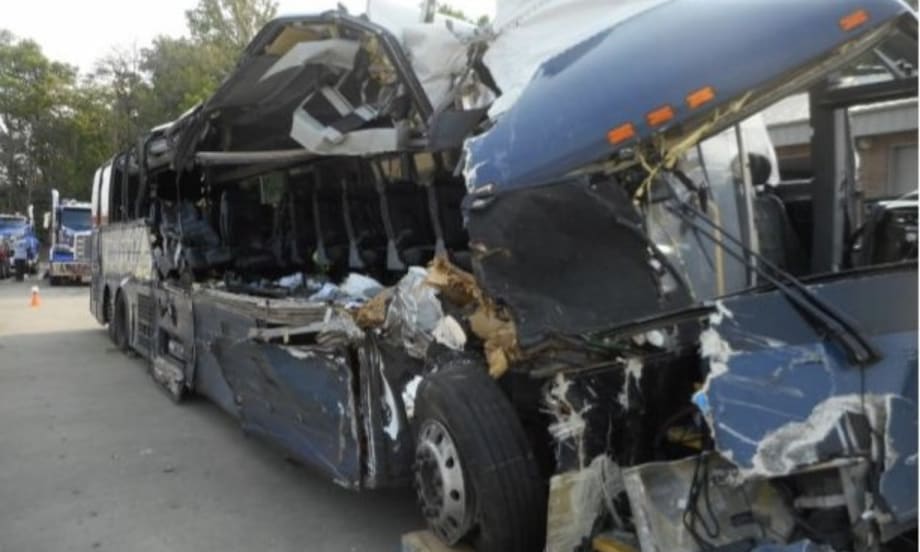
Post-crash photo of the Greyhound motorcoach, which collided with three tractor-trailers parked on the right shoulder of an I-70 exit ramp.
Photo: NTSB
2 min to read
At a recent board meeting, the National Transportation Safety Board (NTSB) determined that driver fatigue, inadequate company oversight, and a lack of safe truck parking along the National Highway System led to a fatal collision on Interstate 70 (I-70) in Highland, IL., during the summer of 2023.
In the early morning hours on July 12, 2023, a Greyhound motorcoach traveling westbound departed I-70 for the Silver Lake Rest Area, where it crashed into three tractor-trailers parked on the right shoulder of the exit ramp.
As a result of the crash, three motorcoach passengers were killed, and the driver and 11 passengers sustained injuries. However, the truck drivers walked away with no injuries.
"This crash was as tragic as it was preventable," NTSB Chairman Jennifer Homendy said. "Our investigation brought to light a critical shortage of safe truck parking and made clear a painful lesson: until we address this important safety issue, lives are at risk on our nation's roads."
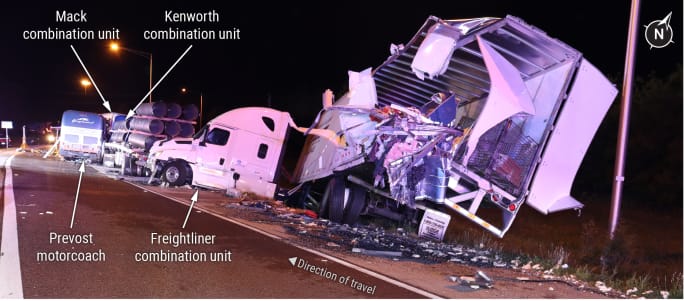
Crash scene photograph showing the motorcoach and three tractor-trailer combination vehicles.
Photo: Illinois State Police, annotated by NTSB
NTSB Outlines Contributing Factors, Calls for Action
During the meeting, NTSB investigators and board members discussed the crash, focusing on the multiple safety issues that, had they been addressed, may have lessened the severity or prevented the crash entirely. These include:
Motorcoach driver fatigue.
Deficient driver oversight by Greyhound, including a lack of a progressive discipline policy, a lack of adequate record-keeping, and a lack of policies for implementing driver monitoring systems.
Insufficient federal guidance on safety management, driver coaching, and fatigue mitigation.
Lack of seat belt use by the motorcoach passengers.
Crash risk from lack of truck parking availability along the National Highway System.
After investigating, NTSB is issuing 11 new recommendations and two reiterated recommendations to the U.S. Department of Transportation, the Federal Motor Carrier Safety Administration (FMCSA), Greyhound Lines, the National Coalition on Truck Parking, the American Bus Association, and the United Motorcoach Association.
Additionally, the NTSB is reiterating two safety recommendations previously issued to FMCSA.
An executive summary containing the probable cause, investigation findings, and approved safety recommendations is available on the investigation web page. The final report will be published on the NTSB's website in the coming weeks.
More Security and Safety

Transit Agencies Highlight Safety Gains at National Summit
Leaders from 15 major transit systems shared crime-reduction results and safety initiatives while discussing the role of continued federal support.
Read More →
DART Launches Major Security, Fare Enforcement Initiative
The 90-day demonstration will deploy coordinated security teams at five light rail stations while testing controlled access and gathering data to guide future investments.
Read More →
RTD Launches NextRide App to Consolidate Trip Planning, Fares, Security Reporting
The app expands on RTD’s existing NextRide web application and allows customers to view real-time vehicle locations and service alerts, purchase and store digital fares, and access customer support.
Read More →
TAPTCO Updates OSHA Compliance Training for Transit Maintenance Operations
The revamped program addresses 26 OSHA standards for maintenance facilities, with TAPTCO pointing to training, documentation, and everyday shop hazards as continuing challenges for transit operations.
Read More →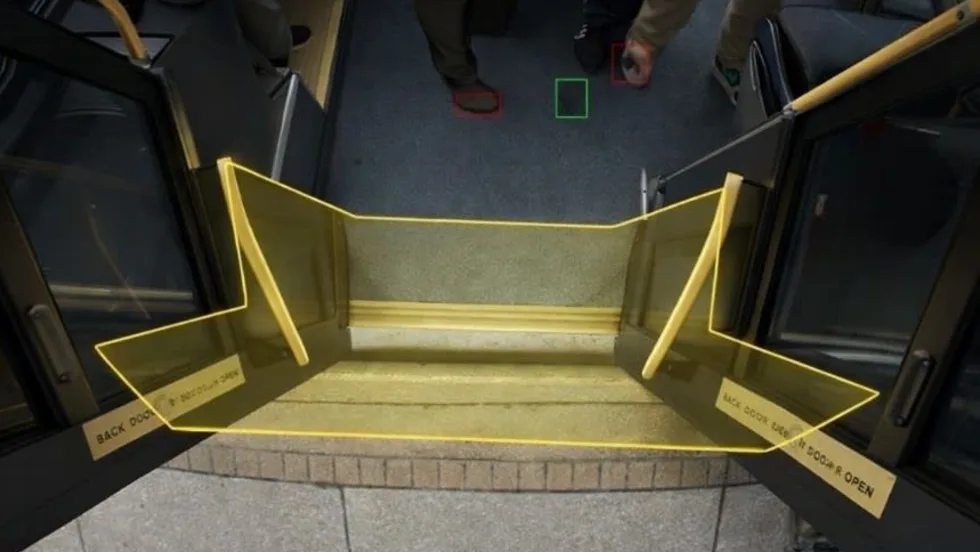
Sponsored•August 18, 2026
How VaporVision Adds Value to Transit Door Systems
Wabtec engineers explain how the system improves doorway detection, strengthens diagnostics and gives transit agencies and OEMs greater operating flexibility.
Read More →
FRA Announces $5.3B in Rail Investments, Including $2B for Amtrak
Funding will support grade-crossing improvements, infrastructure upgrades, and new Amtrak equipment in 23 states.
Read More →
Chicago, Maryland Expand Non-Law-Enforcement Safety, Rider Support
The CTA and MTA are launching new programs aimed at de-escalation, crisis response, rider assistance, and greater transparency.
Read More →
LA Metro, City of West Hollywood, and Partners Advance Smarter Bus Lane Enforcement
The award-winning partnership combines AI-powered detection with human oversight to improve bus reliability, accessibility, and enforcement efficiency.
Read More →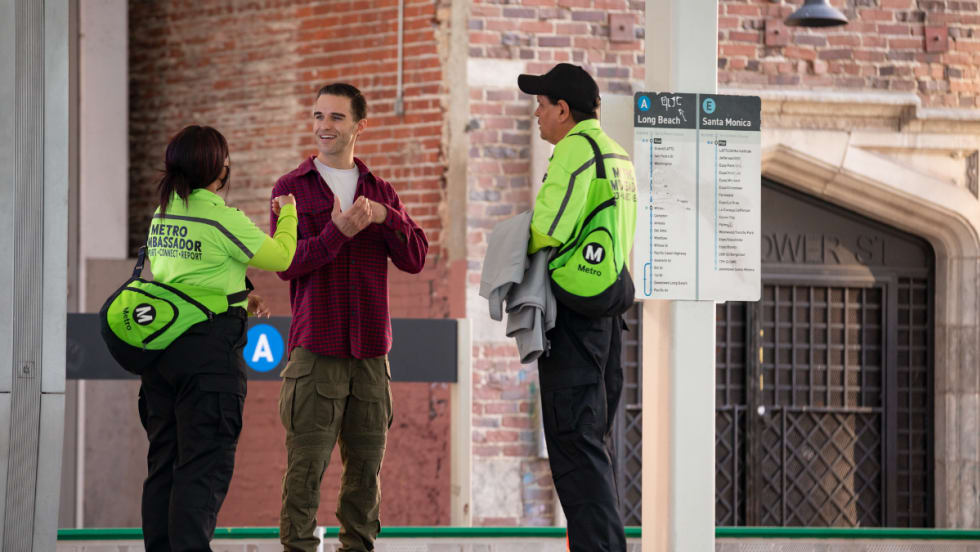
LA Metro Reports 57% Decline in Homelessness on Transit System Since 2024
The agency's latest homelessness count offers new data on how care-based services and cross-sector partnerships can complement traditional transit security strategies.
Read More →
FTA Launches 'Transit Moves America' Dashboard to Highlight Agency Safety and Performance
The online dashboard transforms National Transit Database information into a public-facing resource that allows users to compare transit agencies on key operational and safety metrics.
Read More →