




Watch:Inside MBTA’s Award-Winning Podcast Spilling the T with Host Andrew Cassidy
Boston's MBTA Orange Line Reaches 55 MPH for First Time
Due to track upgrades, MBTA Orange Line trains will faster than before.
August 25, 2025
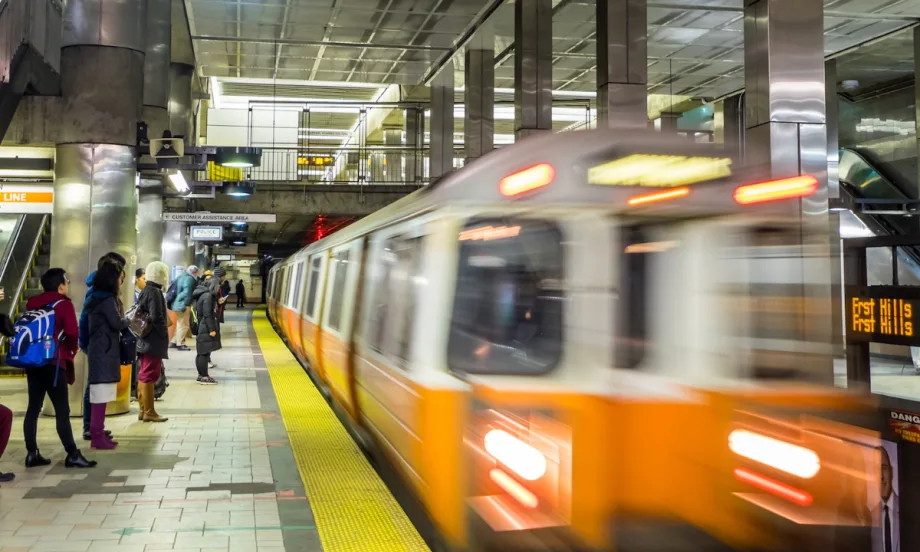
The MBTA Orange Line now reaches 55 mph between Oak Grove and Assembly after track improvements restored original design speeds.
Photo: MBTA
3 min to read
During its August Board Meeting, the Massachusetts Bay Transportation Authority (MBTA) announced that Orange Line trains will be able to reach 55 mph on select portions of the line starting August 24, 2025. The new increased speeds impact stations between Oak Grove and Assembly Station.
According to an agency release, the previous maximum speed on the Orange Line was 40 MPH. The segment between Assembly and Oak Grove was initially designed for 55 MPH, but as track infrastructure declined, speeds were lowered for safety reasons.
This is the first time it has been documented that the Orange Line reached 55 mph.
"General Manager Eng and his team are continuing to deliver for MBTA riders. This milestone is a result of our investments in the T's efforts to hire more workers and fix the tracks. Now, they've not only removed slow zones — they're increasing speeds," said Governor Maura Healey. "This means faster, smoother commutes for riders and allows them to spend more time with family and friends, cooking a meal, taking the dog for a walk, or catching a ball game."
"We are in a moment where long-awaited investments in public transportation are becoming real for the people we serve," said Transportation Secretary and CEO Monica Tibbits-Nutt. "From fare-free service on our Regional Transit Authorities, to grants supporting micro-mobility, to expanded MBTA service this fall, and more reliable trips on the Orange Line, we are delivering on our promise. It has taken hundreds of millions of dollars and an aggressive, strategic approach to infrastructure to get here. We are reaching new heights by introducing new vehicles, replacing track, modernizing signals, and investing in the people who make our system run."
"Under the leadership of Governor Healey and Lt. Governor Driscoll, we have focused on rebuilding our transportation network and improving the quality of life for all. In 2024, we eliminated speed restrictions and restored maximum allowable speed for the entire Orange Line, and now we are ready to further shorten trip times, giving our riders back even more precious time," said MBTA General Manager and CEO Phillip Eng. "I'm proud of the MBTA leadership team and our invaluable workforce for their commitment to continuously improve our system for our riders. And I'd be remiss if I didn't thank the public for their patience during diversions that allow for service improvements such as this. We've only just begun."
As part of the Track Improvement Program (2023 – 2024), the MBTA removed more than 220 speed restrictions and replaced 250,000 feet of rail across the system, saving riders 2.4 million minutes every weekday and generating nearly $1 million in economic benefit every day. Regular maintenance has been ongoing to continuously improve the safety, reliability, and efficiency of the MBTA's rail network.
More Rail
OCTA Finalizes 30-Year Strategy to Protect Coastal Rail Corridor
The agency approved its coastal rail resiliency study and will begin developing projects to protect seven miles of railroad as emergency stabilization efforts continue.
VIA, MBTA Reach Pre-Pandemic Ridership Milestones as Transit Use Climbs
VIA surpasses three million monthly trips for the first time since 2020, while the MBTA tops one million average weekday trips as both agencies report continued ridership growth.

People Movement: Metrolink's Kettle Announces Retirement, Feakins to CEO at UZURV, and More
In this edition, we also cover recent appointments and announcements at King County Metro, SilverRide, and more, showcasing the individuals helping to shape the future of transportation.
How Gen Z's Changing Mobility Habits Are Reshaping Public Transit
As younger generations embrace multimodal mobility over private vehicles, transit agencies can rethink station design, the passenger experience, and public transportation's role in building connected communities.
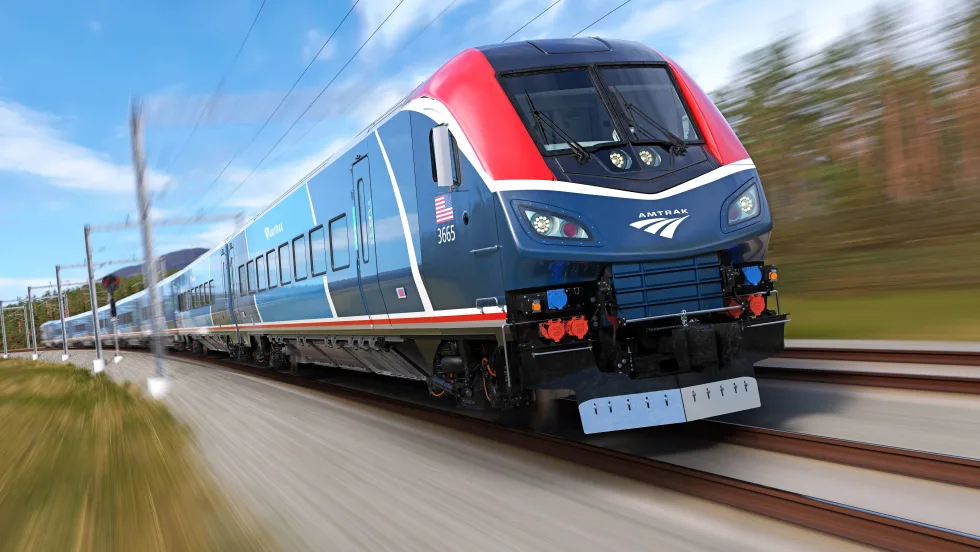
Amtrak Expands Airo Fleet with Eight Higher-Capacity Trainsets
The new 10-car trains, expected to enter service in 2031, will provide about 34% more seating capacity to meet growing demand on the Northeast Corridor.

APTA Urges FTA to Withdraw Proposed Capital Investment Grants Guidance
The association warns that proposed changes could delay transit projects, reduce federal funding, and create new hurdles for 47 projects currently in the CIG pipeline.

Amtrak, NJ TRANSIT Launch Full Service on New Portal North Bridge
The completion of the two-track bridge over the Hackensack River eliminates a longstanding source of delays for NJ TRANSIT and Amtrak customers. It marks a major milestone for the Gateway Program.
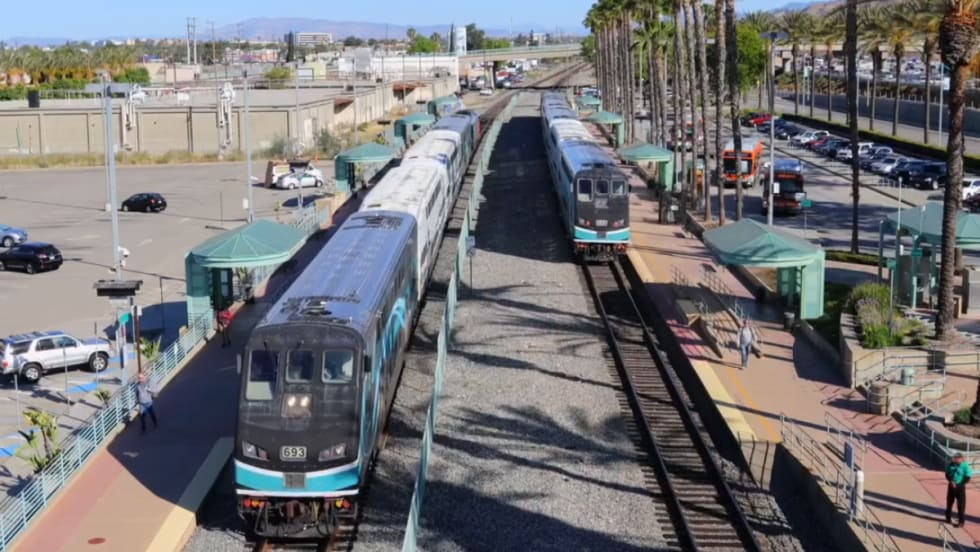
Southern California’s Metrolink Approves $508.8M Budget, Avoids Service Cuts
A $20 million state allocation allows the regional rail agency to maintain existing weekday and weekend service through fiscal year 2028, although longer-term funding challenges remain.
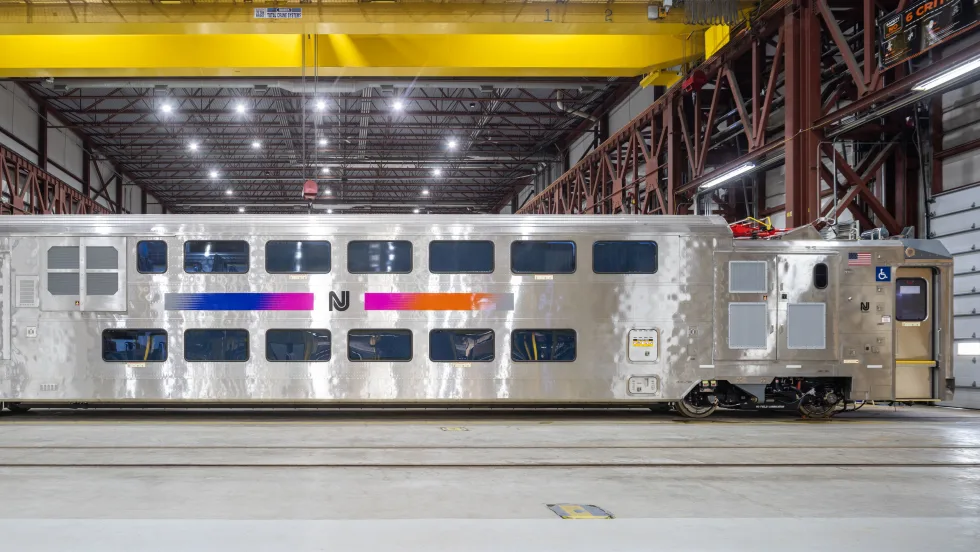
NJ TRANSIT Approves $65.6M for Hudson-Bergen Light Rail Improvements
The funding marks the first phase of a planned $250 million investment over five years to modernize stations, overhaul vehicles, and improve system reliability and passenger safety.

STraffic Expands North American Presence with Fare Collection Technology
John Moon, Associate Director, Product Strategy at STraffic, discusses the company's growth in North America, its efforts to reduce fare evasion, and more.