



2014 Women In Transportation: Ann Dawson-August
Executive Director Birmingham-Jefferson County Transit Authority Birmingham, Ala.
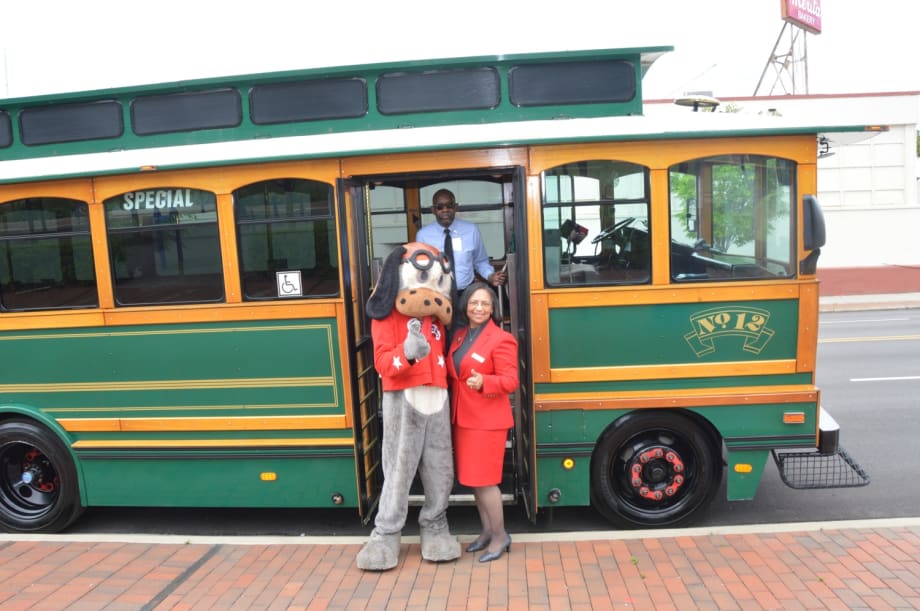
Following 15 years in Sumter, S.C., Dawson-August joined BJCTA in January 2013.
Following 15 years in Sumter, S.C., Dawson-August joined BJCTA in January 2013.
Ann Dawson-August’s involvement in transportation started through a management internship with the Southeastern Pennsylvania Transportation Authority (SEPTA). She was a 27-year-old Army reservist working as a maintenance administrative technician with the U.S. government when a colonel in her unit, who worked at SEPTA, made a pivotal recommendation.
“SEPTA started a pilot management program to introduce minorities and women to the public transportation industry,” Dawson-August says. “Some positions they were interviewing for were considered “non-traditional” for women. The colonel in my unit thought it’d be a great fit because of my experience in quality control and with the reserves.”
After her internship, Dawson-August stayed with SEPTA for 13 years, working for a variety of departments, including the subway elevated division, public relations/marketing, paratransit and government affairs.
In 1997 she went on to serve as the operations director of Santee Wateree Regional Transportation Authority (SWRTA) in Sumter, S.C., where she was born. She was eventually promoted to human resources director followed by executive director and CEO. SWRTA is the second largest small urban and rural transit authority in the state. Dawson-August became the first African-American woman to serve as CEO of the agency.
In this position, she was able to secure funding to build a new intermodal transportation center within a four-year time span and push for more technology onboard vehicles.
Dawson-August stayed with SWRTA for 15 years before applying to her current job with Birmingham-Jefferson County Transit Authority (BJCTA), which she started in January of 2013. She initially wanted to help a city and state known for playing an integral role in the Civil Rights Movement and eventually became the first female CEO of BJCTA.
“I’m on a spiritual journey to give back to a community that went through so much in the ‘50’s and ‘60’s,” Dawson-August says. “What they did back then allows me to sit in this seat, so I want to help build a better transit system to serve the citizens in this area.”
BJCTA is the largest transit agency in the state of Alabama, serving Birmingham, the largest city, and Jefferson, the largest county. The agency has about 340 employees. In her current position, Dawson-August is responsible for the overall agency administration. She ensures BJCTA is offering reliable and safe transportation to citizens on a daily basis and interacts with employees; government officials; and local partnering organizations. She also makes sure BJCTA maintains and operates within a stable budget.
“Unpredictable annual funding is the most challenging part of the job,” Dawson-August says. “But I can’t look at it on a daily basis as being a challenge. I have to get officials to understand the economic benefit of public transportation, and then, look at what we’re currently receiving and put the best quality transit possible on the street.”
Since starting in January of 2013, Dawson-August has led the team to purchase 30 CNG New Flyer buses. The first new bus was in use by June of 2013, with all the vehicles on the street by September that same year.
“I was able to bring in very new vehicles within a six-month timeframe and get them on the property earlier than anticipated by communicating efficiently with the bus builder,” she says.
BJCTA is currently in the midst of one of its biggest projects with the City of Birmingham. Together they are building a one-stop-shop intermodal transportation center that will house Amtrak, BJCTA administration, intercity buses and a new terminal.
BJCTA is also trying to expand its services by setting up super stops/transfer points in other locations within its region as well as establishing commuter shuttles. It’s also in the process of installing more equipment, such as cameras, GPS and automatic passenger counters, on its vehicles. A new mobile app is also now available enabling BJCTA passengers to plan their complete bus trips.
“We want to make sure we’re going to all the places that people want to go and be able to be that spark that moves economic development forward,” Dawson says. “I believe in what APTA says: ‘where transit goes, the community grows.’”
More Bus

More Than a Summer Job: Building the Next Generation of Transit Talent
The Delaware River Port Authority and PATCO have transformed their internship program into a hands-on professional development experience that introduces students to the breadth of transportation careers — and creates a pipeline for future employees.
Read More →
LA Metro Board Awards 220 Battery-Electric Bus Contract to ENC
The contract, which is the largest base award of battery-electric buses by a U.S. transit agency, will be built in Southern California, sustaining good jobs as LA prepares to welcome the world in 2028
Read More →
Public Transit Conference Returning to GFX in 2027, Call for Papers Now Open
The Call for Papers is now open, allowing transit agency professionals and industry experts to help shape the PTC educational program by submitting session ideas for consideration.
Read More →
Indian River Transit’s Community-Focused Approach Earns National Recognition
Named APTA’s 2026 Outstanding Public Transportation System in its size category, Florida’s Indian River County transit system continues to grow ridership through fare-free service and a focus on evolving community needs.
Read More →
ENC Lands MATA Contract and More in Biz Briefs
In this edition of Biz Briefs, we spotlight the latest developments shaping the future of mobility.
Read More →
From Surviving to Thriving: Building Stronger Transportation Organizations
Bus Business Consultants founder Brian Dickson shares lessons on leadership, organizational health, and creating options for long-term success in a changing transportation industry.
Read More →
Everett Transit, Community Transit Outline Consolidation Agreement
The proposed agreement calls for a 50% increase in bus service in Everett, a new microtransit zone, continued paratransit service, and the transfer of Everett Transit operations to Community Transit.
Read More →
SEPTA Details Accelerate Vision for Transit System
The plan outlines investments in trolley modernization, new Metro and Regional Rail vehicles, accessible stations, and more frequent bus and rail service.
Read More →
Report: Transit Bus Manufacturing Supports 34,100 Jobs, $5.1B in GDP
The “Buses Mean Business” report examines the transit bus manufacturing industry’s economic footprint, supply chain, and rising demand for vehicle replacements.
Read More →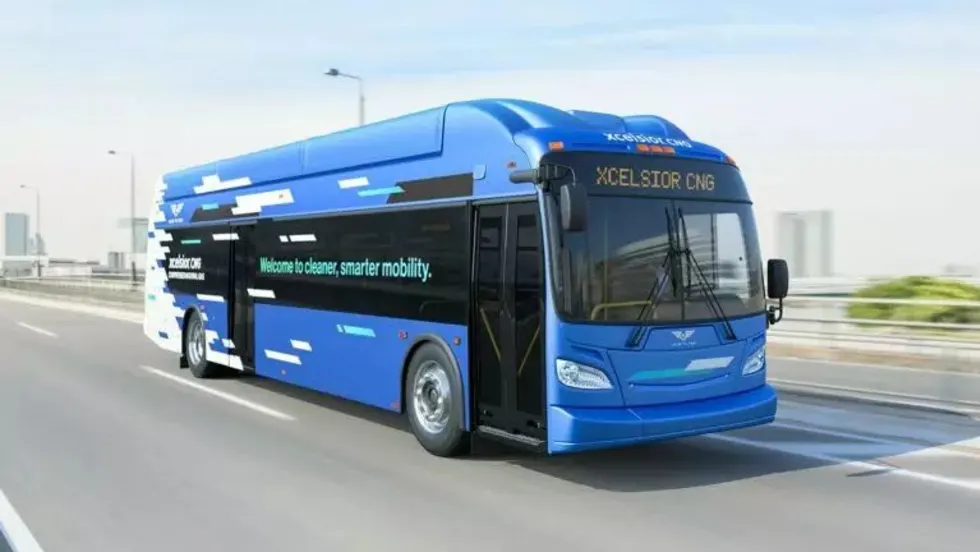
Biz Briefs: New Flyer Delivers in Columbus, Houston, Beep and Freebee Merge, and More
In this edition of Biz Briefs, we spotlight the latest developments shaping the future of mobility.
Read More →