



2014 Women In Transportation: Petra Mollet
Chief of Staff APTA Washington, D.C.
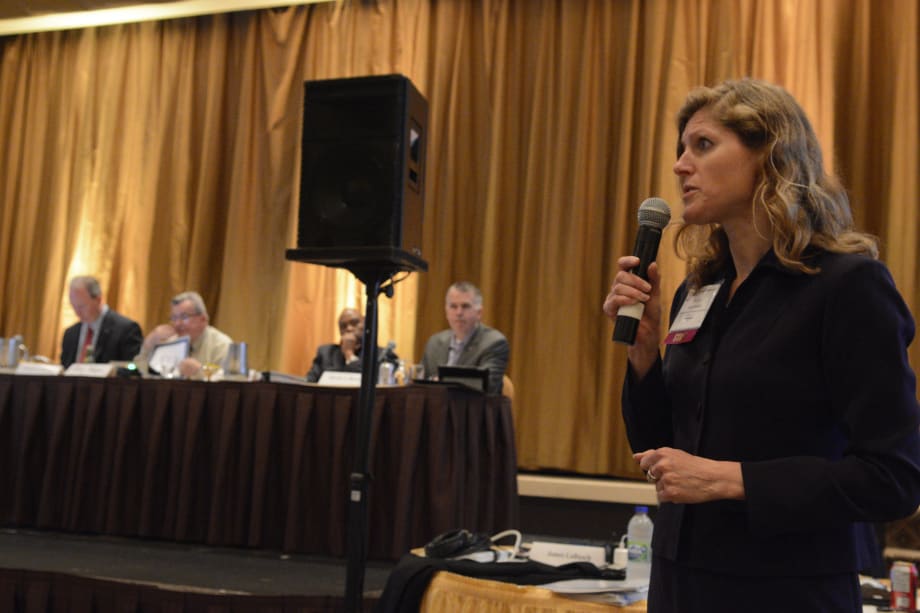
Mollet was part of the team that put together the first World Congress on High-Speed Rail in the U.S. and a practicum on innovative funding and financing tools for transit.
Mollet was part of the team that put together the first World Congress on High-Speed Rail in the U.S. and a practicum on innovative funding and financing tools for transit.
Petra Mollet, the chief of staff for the American Public Transportation Association (APTA), didn’t plan for a career in the transportation industry. Her ambition, instead, laid in journalism, with her interests seeded by her studies in international relations and sustainability.
The Belgium-native came to the U.S. in her youth, but returned to Brussels after her studies and landed her first and only writing job. She was hired by the European Association of Automobile Manufacturers as a research assistant for its monthly newsletter. Because the newsletter addressed issues the European car industry was facing at the time, Mollet says the position got her very interested in transportation issues and the ramifications it had for urban development and quality of life.
“It was the renaissance of smart mobility, with a lot of advances being made in intelligent transportation systems (ITS) and traffic management,” she explains.
The subject of her writing piqued her curiosity about transportation and the much broader impact it had on society. Enough so, in fact, that she was steered away from writing and into the transportation world.
Mollet then spent five years coordinating POLIS, a European association of city and regional transportation authorities, mostly working on the introduction of ITS. She says that coming from the car industry gave her a real appreciation for the role of the public sector and the leverage it had to shape both urban and regional transportation.
The position she held after that allowed her to travel the world. She worked for the International Association of Public Transport (UITP), which represents the transit industry worldwide to help build out the organization and its services outside of Europe. As part of her work there, she developed relationships with and forums for transportation authorities and businesses in Latin America, Africa, the Middle East, Asia, and of course, North America, and APTA in particular.
Nine years later she was hired by APTA and came back to the U.S., first as VP, strategy, and, for the past two years, as APTA’s chief of staff. She works closely with APTA’s leadership, members and staff, to ensure the strategic priorities of the organization are met and support those individuals in their work.
Since Mollet joined the transportation industry, she has helped put sustainability on the map in the transit industry, including at UITP and APTA, where she assisted in developing programs that examined how the industry can be as environmentally, socially and economically sustainable as possible. Additionally, Mollet is proud to be a part of the team that put together the first World Congress on High-Speed Rail in the U.S., as well as more recently, the first practicum on innovative funding and financing tools for transit.
“Both were truly international efforts and ones I certainly hope contributed to the conversation about transportation development in this country,” she says. At the same time, there are many transit projects here in the U.S. that warrant being showcased on a world stage, she adds.
Mollet is currently facilitating the development of APTA’s next five-year strategic plan, where the staff and members are examining emerging issues that will have an impact on transportation and transit.
Though Mollet says maintaining a balance between staying in touch with the needs of APTA members and staff, while supporting daily operations and keeping a focus on the bigger picture for the organization keeps her on her toes, she highly values the people she works with and the relationships she’s built. She’s always striving to rally people around a common vision.
“It’s what keeps me excited on a day-to-day basis,” Mollet says. “It’s amazing what can be accomplished when you build a positive group dynamic.”
When she’s not working, Mollet, who describes herself as a non-homebody, likes to run long-distance and trains outside as often as she can. She is also a big fan of live music, particularly jazz, which she has developed a love for in the last few years of living in Washington, D.C.
More Bus
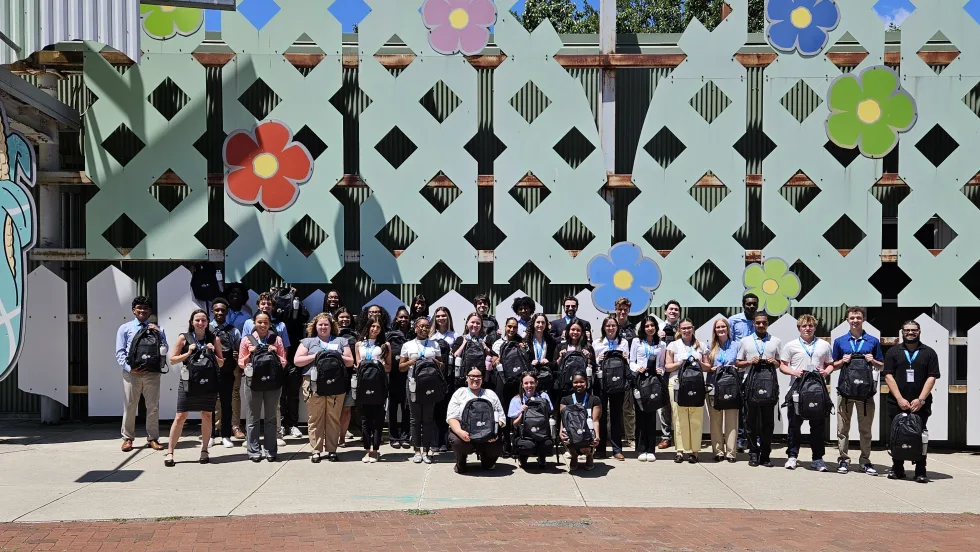
More Than a Summer Job: Building the Next Generation of Transit Talent
The Delaware River Port Authority and PATCO have transformed their internship program into a hands-on professional development experience that introduces students to the breadth of transportation careers — and creates a pipeline for future employees.
Read More →
LA Metro Board Awards 220 Battery-Electric Bus Contract to ENC
The contract, which is the largest base award of battery-electric buses by a U.S. transit agency, will be built in Southern California, sustaining good jobs as LA prepares to welcome the world in 2028
Read More →
Public Transit Conference Returning to GFX in 2027, Call for Papers Now Open
The Call for Papers is now open, allowing transit agency professionals and industry experts to help shape the PTC educational program by submitting session ideas for consideration.
Read More →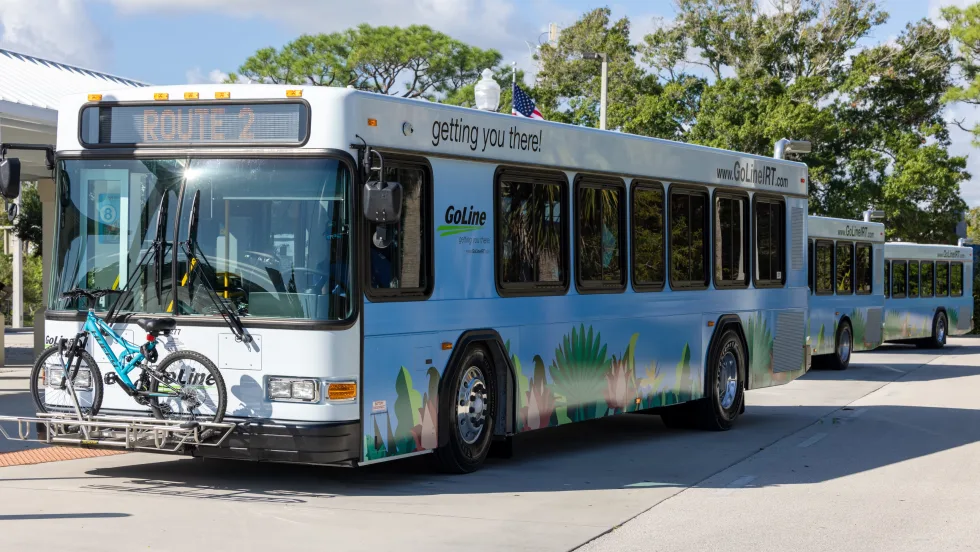
Indian River Transit’s Community-Focused Approach Earns National Recognition
Named APTA’s 2026 Outstanding Public Transportation System in its size category, Florida’s Indian River County transit system continues to grow ridership through fare-free service and a focus on evolving community needs.
Read More →
ENC Lands MATA Contract and More in Biz Briefs
In this edition of Biz Briefs, we spotlight the latest developments shaping the future of mobility.
Read More →
From Surviving to Thriving: Building Stronger Transportation Organizations
Bus Business Consultants founder Brian Dickson shares lessons on leadership, organizational health, and creating options for long-term success in a changing transportation industry.
Read More →
Everett Transit, Community Transit Outline Consolidation Agreement
The proposed agreement calls for a 50% increase in bus service in Everett, a new microtransit zone, continued paratransit service, and the transfer of Everett Transit operations to Community Transit.
Read More →
SEPTA Details Accelerate Vision for Transit System
The plan outlines investments in trolley modernization, new Metro and Regional Rail vehicles, accessible stations, and more frequent bus and rail service.
Read More →
Report: Transit Bus Manufacturing Supports 34,100 Jobs, $5.1B in GDP
The “Buses Mean Business” report examines the transit bus manufacturing industry’s economic footprint, supply chain, and rising demand for vehicle replacements.
Read More →
Biz Briefs: New Flyer Delivers in Columbus, Houston, Beep and Freebee Merge, and More
In this edition of Biz Briefs, we spotlight the latest developments shaping the future of mobility.
Read More →