



Amtrak Reform Council presents breakup plan to Congress
Plan recommends breaking up the rail system and introducing competition.

The Amtrak Corporation should be broken up and competition should be introduced to passenger rail, announced the Amtrak Reform Council (ARC) on Feb. 7 in its official recommendations to Congress for the restructuring of the rail system. The council’s action plan calls for the current corporation to be divided into three entities: a federal oversight agency; a government-owned and operated corporation to control passenger rail in the busy, high-maintenance Northeast Corridor stretching from Boston to Washington, D.C.; and an Amtrak train operating company. Additionally, private companies should eventually be allowed to bid on train routes. “The council believes that, as is the case throughout our free-market economy, competition would drive down costs and improve service quality,” the report read. With this restructuring, Amtrak would be able to focus on its core business of running trains without having to maintain the Northeast Corridor and fulfill other government functions. “Amtrak has too much to do, and does little of it well,” said Gil Carmichael, ARC chairman. Amtrak has not turned a profit in its 30-year history. In 1997, Congress gave Amtrak five years to end its dependence on government funding. Under the Amtrak Reform and Accountability Act, Amtrak had to be operationally self-sufficient by December 2002, and the ARC was set up to monitor its progress. A U.S. Department of Transportation inspection found that much of Amtrak’s government funds went to promising new projects like the high-speed Acela Express, while basic maintenance needs went unmet. In response to the ARC report, Amtrak said the council has sidestepped the underlying policy and funding issues that must be determined for national passenger rail, and that these issues must be addressed and defined before further decisions are made. The House Transportation Committee scheduled three hearings on the report, the first of which took place on Feb. 14. Chairman Don Young agreed with the council’s recommendations. “Amtrak’s costs are too high and it runs a system that is designed to win funding support in Congress rather than a system based on sound financial and economic decisions,” he said. However, many Democrats on the committee said they support the Amtrak system. They said the government has failed to invest as much in passenger rail as it does in other modes of transportation.
More Rail
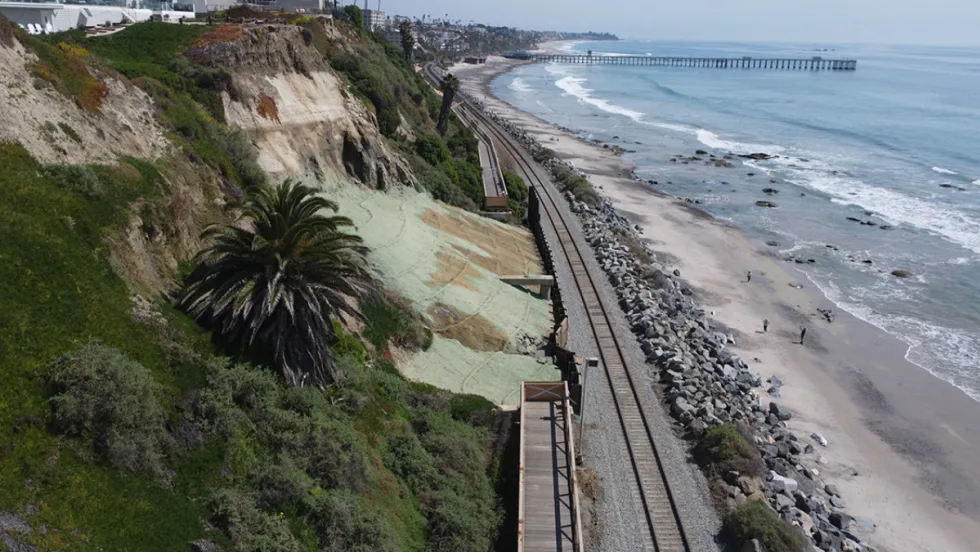
OCTA Declares Emergency to Protect Rail Corridor From Coastal Erosion
The California agency is accelerating shoreline protection and plans to place approximately 690,000 cubic yards of sand along the San Clemente coast to protect a key passenger and freight rail link.
Read More →
More Than a Summer Job: Building the Next Generation of Transit Talent
The Delaware River Port Authority and PATCO have transformed their internship program into a hands-on professional development experience that introduces students to the breadth of transportation careers — and creates a pipeline for future employees.
Read More →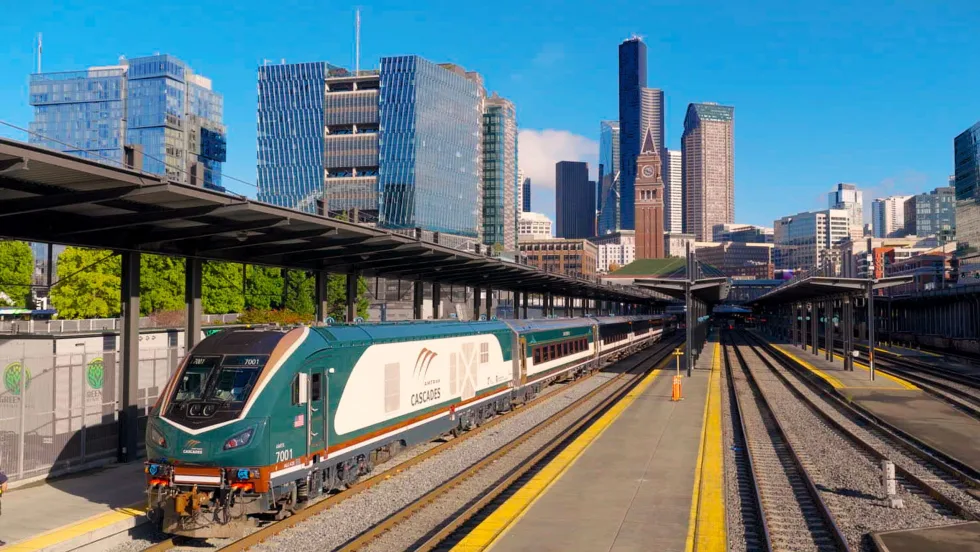
Airo Trains Make Their Amtrak Cascades Debut in the Pacific Northwest
Effective immediately, two cutting-edge Airo trainsets will join the Amtrak Cascades route, operating four daily trips between Vancouver, B.C., Seattle, Portland, and Eugene, Oregon, marking the first introduction of Airo trains into passenger service anywhere in the country.
Read More →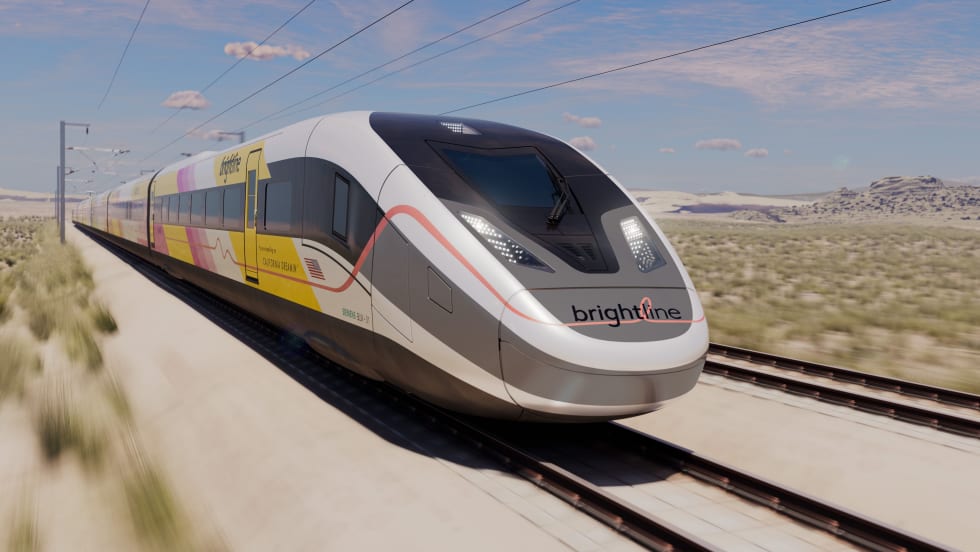
Florida's Brightline Announces Financial Restructuring
Brightline Florida says train operations will continue as normal as certain parent entities enter Chapter 11 and financial stakeholders provide $490 million in new long-term capital.
Read More →
ENC Lands MATA Contract and More in Biz Briefs
In this edition of Biz Briefs, we spotlight the latest developments shaping the future of mobility.
Read More →
Strada360’s Steve Lassey on Turning Transit Data Into Better Decisions
From breaking down data silos to preparing for AI, Strada360 CEO Steve Lassey discusses how transit agencies can use technology to improve operations, customer information, and long-term decision-making.
Read More →
SEPTA Details Accelerate Vision for Transit System
The plan outlines investments in trolley modernization, new Metro and Regional Rail vehicles, accessible stations, and more frequent bus and rail service.
Read More →
FTA Ends Direct Oversight of MBTA Safety Actions
The federal agency closed its remaining special directive to the Massachusetts Department of Public Utilities following a safety review that began in 2022.
Read More →
Amtrak, CN Reach Agreements to Strengthen Passenger Rail Service, Safety
The agreement resolves a more than decade-long proceeding before the Surface Transportation Board concerning the terms and conditions for Amtrak services, such as the City of New Orleans, Illini/Saluki, and Wolverine.
Read More →
New York MTA Advances Final Contract for Second Avenue Subway Expansion
Contract Four is the largest in the Second Avenue Subway Phase 2 project and includes construction of station infrastructure, tracks, and signals for the subway expansion, MTA officials said. Work on Contract Four will begin in 2027.
Read More →