



Bombardier files suit against Amtrak
Bombardier Corp. in November filed suit against Amtrak, claiming Amtrak disrupted its ability to produce and deliver the high-speed trainsets and locomotives for the Northeast Corridor in a timely and efficient manner.

Bombardier Corp. in November filed suit against Amtrak, claiming Amtrak disrupted its ability to produce and deliver the high-speed trainsets and locomotives for the Northeast Corridor in a timely and efficient manner. As of December, the suit was still pending in court, said Gilles Pagé, director of public affairs for Bombardier. “It’s in the hand of the court,” he said. Bombardier seeks to recover at least $200 million in damages, which include “additional and unwarranted costs incurred during the execution of the Acela Express project,” read a release by the company. In a statement, Amtrak rebutted, “After five years of delays, performance failures and self-inflicted financial losses, it is no shock that Bombardier is now attempting to shift the blame for the consortium’s mismanagement of the high-speed trainset contract to Amtrak.” Bombardier’s claim states that Amtrak did not provide track upgrades needed for high-speed service. As a result, the trains had to undergo more than a year and a half of additional testing. “We ask that Amtrak take responsibility for its shortcomings on the Acela project so that we can resolve outstanding issues,” said Jacques Laparé, president of Bombardier Transportation, North America. “Bombardier Transportation has delivered all 15 locomotives and 15 of the 20 trainsets called for in the $710 million contract awarded in 1996, and expanded in 1998, and they are performing well.” The 46-page complaint comes, said Bombardier, after repeated attempts to settle through negotiations. Amtrak has its own list of complaints, totaling more than $250 million, against Bombardier, including: trainset deliveries more than one year late, with continuing delays for the last five trainsets; speed restrictions, because the trainsets do not meet contract specifications; failure to provide on-time and adequate maintenance; and failure to comply with warranty obligations. Delivery of the Acela trainsets was postponed several times by Bombardier. Amtrak claims that it has had to manage the day-to-day maintenance of the trains. “Amtrak expects the consortium to live up to the contract it signed, deliver the five remaining trainsets and accept financial responsibility for the delays and mismanagement for which it has only itself to blame,” Amtrak’s statement said. Bombardier’s consortium partner in the project, Alstom, is a not a participant in the lawsuit.
More Rail
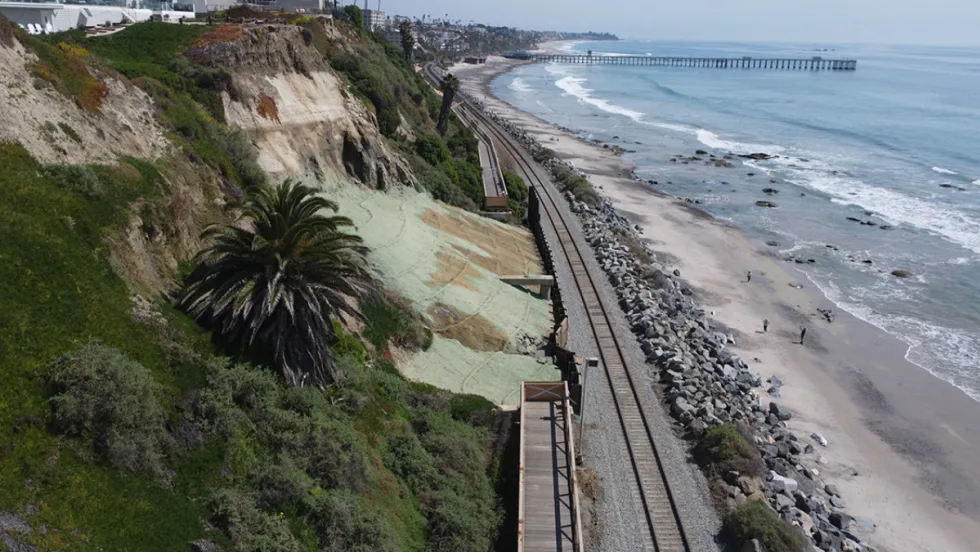
OCTA Declares Emergency to Protect Rail Corridor From Coastal Erosion
The California agency is accelerating shoreline protection and plans to place approximately 690,000 cubic yards of sand along the San Clemente coast to protect a key passenger and freight rail link.
Read More →
More Than a Summer Job: Building the Next Generation of Transit Talent
The Delaware River Port Authority and PATCO have transformed their internship program into a hands-on professional development experience that introduces students to the breadth of transportation careers — and creates a pipeline for future employees.
Read More →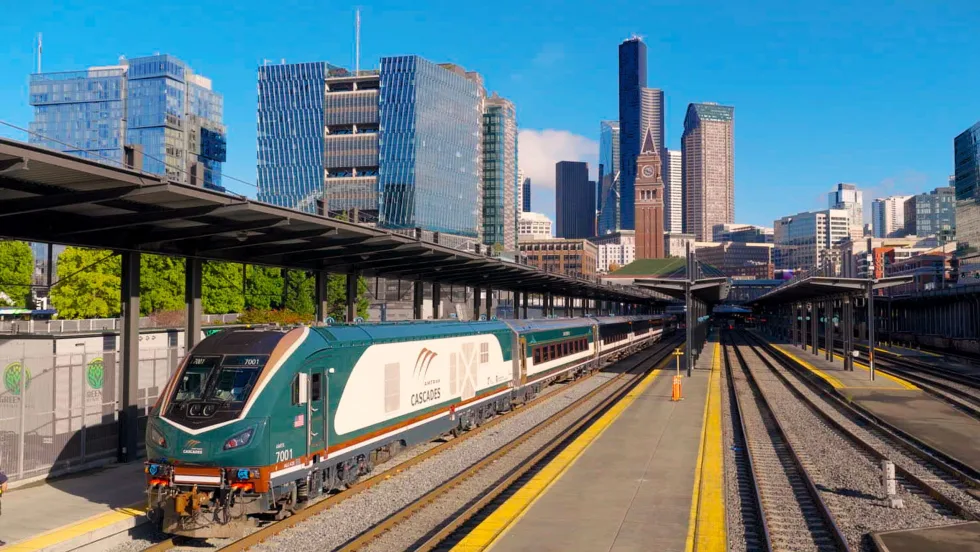
Airo Trains Make Their Amtrak Cascades Debut in the Pacific Northwest
Effective immediately, two cutting-edge Airo trainsets will join the Amtrak Cascades route, operating four daily trips between Vancouver, B.C., Seattle, Portland, and Eugene, Oregon, marking the first introduction of Airo trains into passenger service anywhere in the country.
Read More →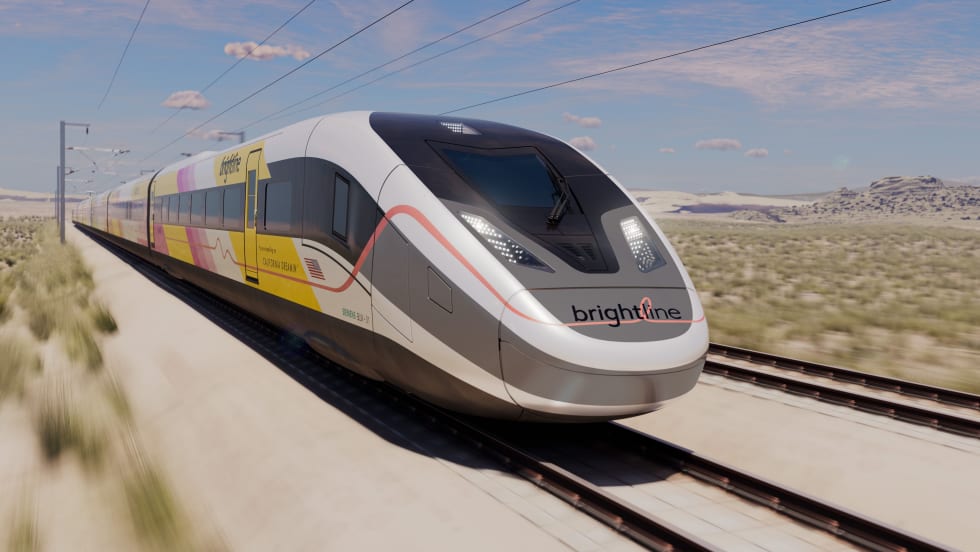
Florida's Brightline Announces Financial Restructuring
Brightline Florida says train operations will continue as normal as certain parent entities enter Chapter 11 and financial stakeholders provide $490 million in new long-term capital.
Read More →
ENC Lands MATA Contract and More in Biz Briefs
In this edition of Biz Briefs, we spotlight the latest developments shaping the future of mobility.
Read More →
Strada360’s Steve Lassey on Turning Transit Data Into Better Decisions
From breaking down data silos to preparing for AI, Strada360 CEO Steve Lassey discusses how transit agencies can use technology to improve operations, customer information, and long-term decision-making.
Read More →
SEPTA Details Accelerate Vision for Transit System
The plan outlines investments in trolley modernization, new Metro and Regional Rail vehicles, accessible stations, and more frequent bus and rail service.
Read More →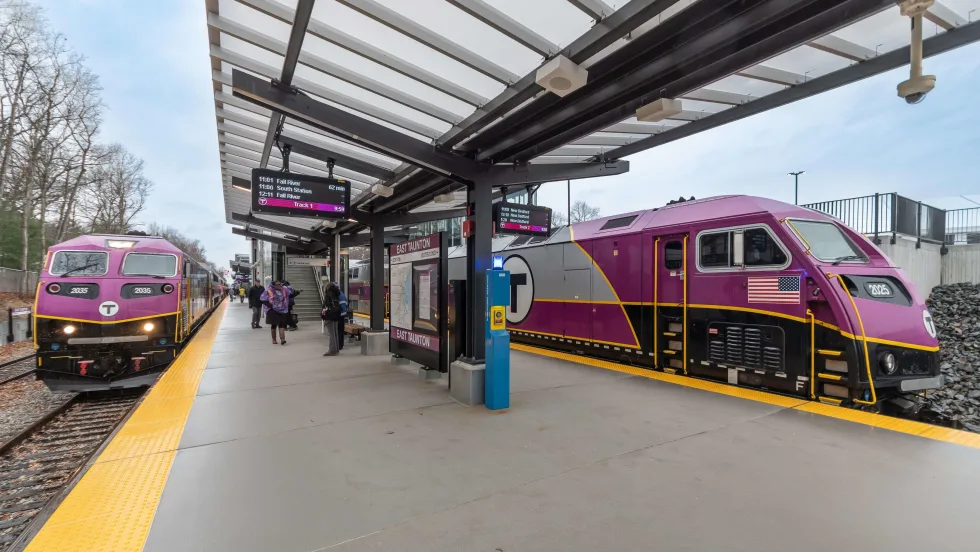
FTA Ends Direct Oversight of MBTA Safety Actions
The federal agency closed its remaining special directive to the Massachusetts Department of Public Utilities following a safety review that began in 2022.
Read More →
Amtrak, CN Reach Agreements to Strengthen Passenger Rail Service, Safety
The agreement resolves a more than decade-long proceeding before the Surface Transportation Board concerning the terms and conditions for Amtrak services, such as the City of New Orleans, Illini/Saluki, and Wolverine.
Read More →
New York MTA Advances Final Contract for Second Avenue Subway Expansion
Contract Four is the largest in the Second Avenue Subway Phase 2 project and includes construction of station infrastructure, tracks, and signals for the subway expansion, MTA officials said. Work on Contract Four will begin in 2027.
Read More →