



Calif. tribe awarded funds to study transit system concept
To receive the funding, the Yurok Tribe responded to a solicitation for proposals in 2008.
The Yurok Tribe, located in Northern California adjacent to the Redwood National Park, has been awarded federal funds to perform a feasibility study to determine whether a transit system could be used in Redwood National Park.
The $120,000 comes from the Paul S. Sarbanes Transit Grant in Parks Program, founded to enhance the protection of national parks and federal lands and increase visitors' enjoyment.
In April, the Federal Transit Administration (FTA) announced $24.8 million in federal funding for national parks, forests and wildlife refuges. Twenty states re-ceived funds from the program to implement public transportation within their facilities.
To receive the funding, the Yurok Tribe responded to a solicitation for proposals in 2008.
Javier Kinney, transportation manager, Yurok Tribe, said that currently, the tribe is planning to begin the feasibility study within the year.
The Yurok tribe will collaborate with the Redwood National Park to explore viable methods of ground transportation linking the ancestral territory of the Yurok Tribe to the Park.
"We have the full support of the Red-wood National Park," said Kinney. "The Yurok Tribe as well as the Park are excited about this opportunity to take on this planning, which will hopefully lay out some of the essential strategies as well as some of the needs in the region."
The transportation options on the Yurok Reservation are limited: the Yurok Tribal Transit System consists of one small passenger bus that runs along a route on the eastern side of the Reservation and links to Klamath Trinity Non-Emergency Transit System, Redwood Coach Transit and the Humboldt Area Transit Authority.
"What we're trying to address in the feasibility study is all aspects of the new alternative transit in the parks and other public lands, including motorized and non-motorized transit: bus, traditional canoes, maybe a trolley," explained Kinney.
The study will not only look at viable transportation — which currently is non-existent - in the Redwood National Park, but will also examine ways of coordinating the various existing services available, he added. "We're trying to build on the limited infrastructure and the need that we have, but we're reaching out in other aspects as well," Kinney said.
Another aspect of the feasibility study is creating the river transit taxi system, utilizing the tribe's traditional mode of transportation along the Klamath River, which runs through the Yurok Reservation and ancestral territory and traverses the Redwood National Park.
Given that the Park sees a significant number of domestic and international visitors every year, the Yurok Tribe works to ensure that individuals from other countries visiting their land get an indigenous perspective. They also work closely with the neighboring tribes to that end, Kinney said.
"One of the principles the Yurok Tribe has always operated on is [educating] individuals about the Yurok people...As indigenous people from the region, we want to make sure that perspective is translated throughout alternative transit systems," Kinney said.
The grant will also be supported by work from Joseph L. James, transportation planner, Yurok Tribe.
The tribe was also recently the first in California to be awarded the National Scenic Byways Planning Grant and is a FTA tribal transit grant awardee.
More Bus
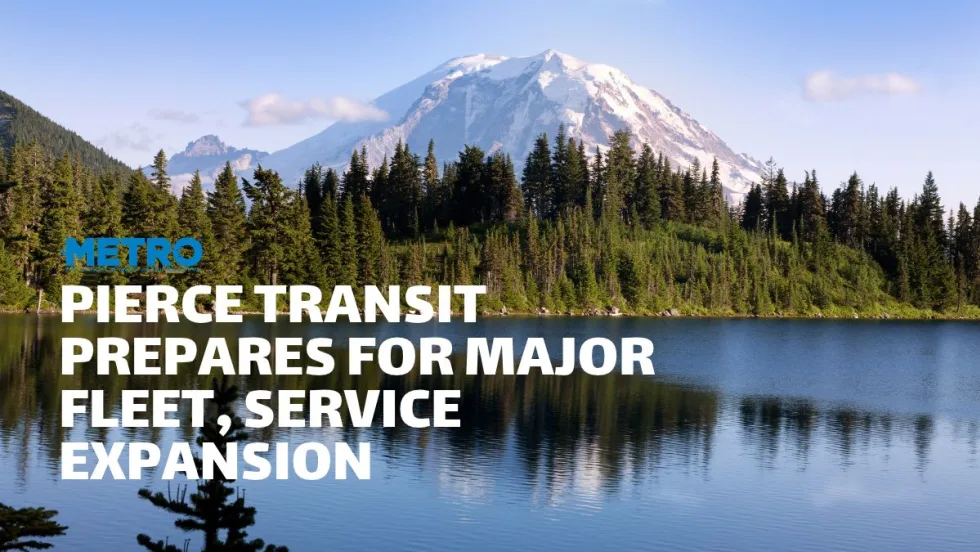
Pierce Transit Moves to Expand Fleet Following Proposition 1 Approval
The agency authorized the purchase or refurbishment of up to 60 buses to support a 47% service expansion, as voters nationwide approved billions in new transit funding.
Read More →
Transit Expands Agency Partnerships, Reaching 200 Official App Partners
COO Jake Sion discusses Transit’s growth, the success of its Transit Royale program, and how technology is helping agencies improve the rider experience.
Read More →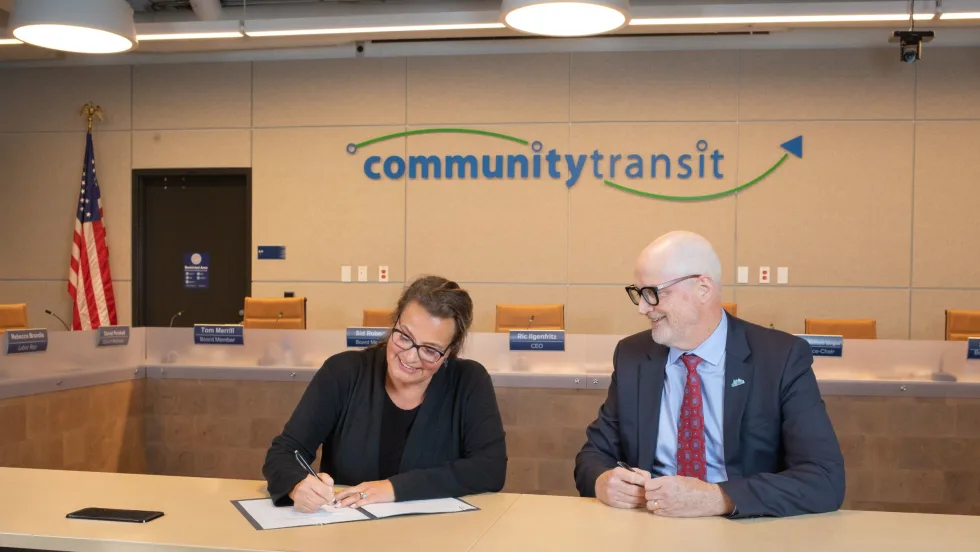
Everett Transit, Community Transit Approve Consolidation of Services
The agreement will bring Everett Transit into Community Transit’s network in April 2027, with plans to increase bus service by 50% by 2031 and expand regional connections.
Read More →
Brian Dickson on Building Stronger, More Resilient Transportation Organizations
Bus Business Consultants Founder Brian Dickson discusses the leadership principles, operational discipline, and strategic planning that separate transportation companies positioned for long-term success from those stuck in survival mode.
Read More →
LA Metro Breaks Ground on Vermont BRT Project
The 12.4-mile corridor is projected to serve 66,200 daily riders, reduce travel times by up to 24%, and create the nation's busiest bus rapid transit corridor.
Read More →
Roman Cornell on ABC Companies’ Evolution and the Future of Passenger Transportation
The company’s CEO discusses carrying forward a third-generation family legacy, ABC’s continued evolution in passenger transportation, support for increasingly complex fleets, and how technology and continued investment could help operators improve uptime.
Read More →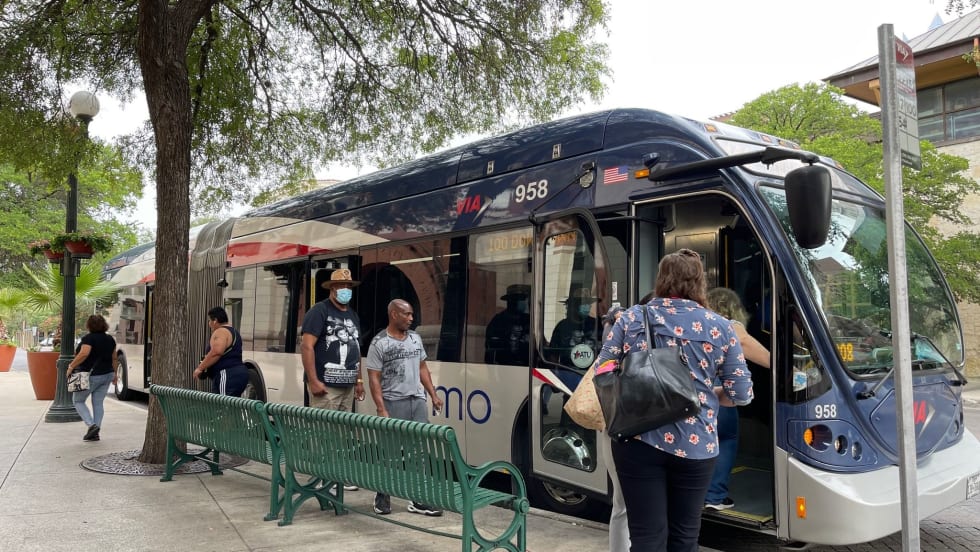
VIA Bus Ridership Grows 10.1% Through August 2026
San Antonio's VIA Metropolitan Transit reported the highest bus ridership growth among major Texas transit systems. Federal Transit Administration data ranked it second among the nation's 50 largest transit systems.
Read More →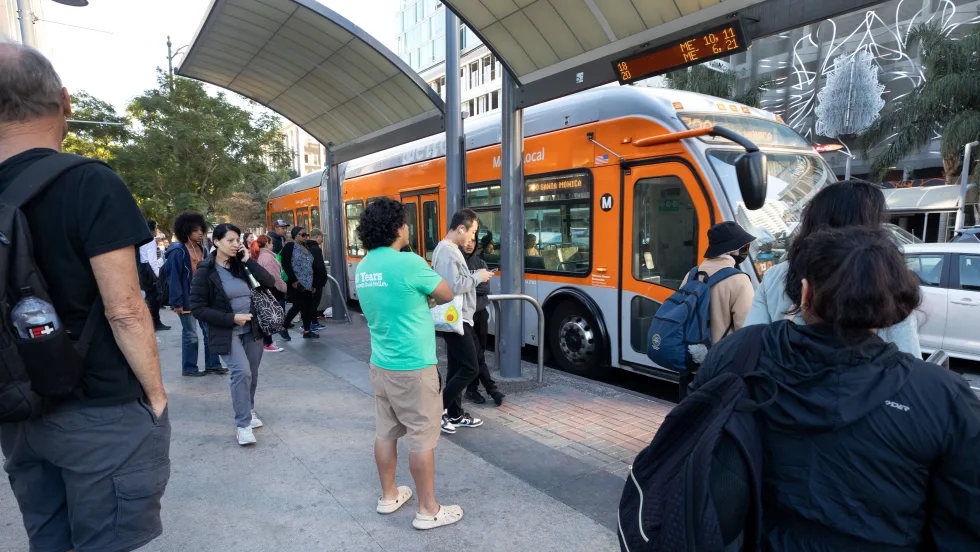
LA Metro September Ridership Climbs 3.9%, Led by Rail Growth
The agency recorded more than 27.2 million boardings, with rail ridership increasing 12.4% year over year and the D Line posting the largest gains.
Read More →
Frontrunner Bus Group Introduces XF Low-Floor Bus with Enhanced Accessibility
The new mid-sized bus features a full flat-floor design, eight-inch curbside step-in height, and zero-entry rear ramp to improve passenger access and operational flexibility.
Read More →
Scenes from APTA TRANSform & EXPO 2026
Transit leaders, manufacturers, and industry professionals gathered in Chicago to explore new technologies, share ideas, and discuss the future of public transportation.
Read More →