



CCW introduces remanufactured all-electric bus
The ZEPS bus is expected to reach a range of between 120 miles to 150 miles, which will meet the route profile of a vast majority of transit systems around the nation.

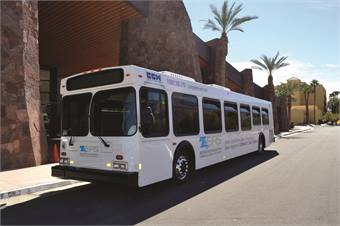
Recently, Riverside, Calif.-based Complete Coach Works (CCW) unveiled and began testing a remanufactured 40-foot bus equipped with its new all-electric Zero-Emission Propulsion System (ZEPS).
The ZEPS bus is expected to reach a range of between 120 miles to 150 miles, which will meet the route profile of a vast majority of transit systems around the nation, according to CCW’s VP, sales and marketing, Macy Neshati.
“With some changes we have planned to make the bus lighter and the improvements in battery technology, we believe we can probably add 10 to 20 miles,” he explained. “We have transit systems coming to us and saying it would fit an ideal amount of their routes without having to bend or change them to fit the limitations of the bus.”
The ZEPS system features a highly integrated design with fewer parts for convenient and fast installation; an integrated controller, with built-in energy management functions; computer-controlled synchronous clutch for long life; and regenerative braking capability all within a compact design, ideal for retrofit purposes.
The cost of the remanufactured bus falls right in line with the cost of a CNG bus, yet slightly more than a diesel bus. Additional cost savings for the agency can be realized by furnishing their own bus to CCW to convert.
“Part of the affordability is that we remanufacture buses. There’s no sense in throwing away a 12-year-old bus; there’s plenty of life left in these buses and a lot we can still do with them,” said Neshati.
The remanufactured bus, built to like-new condition, includes numerous updates, including lightweight composite subfloors and brand new flooring; an all-new multiplex system and wiring; completely remanufactured suspension and brake system with all moving and wear items replaced; a differential that is remanufactured to OEM specifications; a like-new interior with new seat upholstery as well as refinished side and ceiling panels; and a redesigned dash featuring a touch screen energy monitoring system.
Other retrofit details include a remanufactured chassis frame and structure to like-new condition and the application of high-quality paint and graphics, as well as rebuilt windows, door systems and wheelchair ramps.
Aside from zero tailpipe emissions, Neshati added that the ZEPS bus provides a much simpler system with one motor turning a differential, thus eliminating common preventive maintenance practices, including oil and transmission fluid changes, as well as the cost associated with their proper disposal. In fact, CCW analysis found that the vehicle can save an agency $330,000 over a seven-year period on fuel and maintenance costs, compared to a traditional diesel bus.
Additional benefits expected by CCW include at least 50% enhanced brake life, thanks to regenerative braking, and just more than 16 miles per gallon equivalent, using the EPA’s formula. The ZEPS bus also charges in four to six hours at a cost of approximately two cents a kilowatt hour.
“With today’s budget cuts and tight financing, we are offering transit systems a fiscally responsible way to move toward an environmentally friendlier bus by remanufacturing their resources and keeping those buses on the road, while also going to 100% battery power,” said Neshati. “If an agency is in an environment where they can take advantage of wind, hydroelectric or solar power, the total emissions levels are virtually zero.”
Richland, Wash.-based Ben Franklin Transit (BFT) plans on testing the first ZEPS bus on one or more of its routes, with the first bus set to be delivered by late January 2013.
“You always want to be working with a property that is vested, willing and wants to work for success, and we have a very tech-savvy group up there,” Neshati said. “We also have huge community backing on all levels for this project.”
More Bus

New York MTA Plans Largest Bus Fleet Upgrade in More Than a Decade
The agency is seeking manufacturers for 650 new CNG buses to replace aging vehicles, improve reliability, and advance its broader fleet modernization strategy.
Read More →
Building a Flexible Path to Transit Electrification
John Hroncich discusses BAE Systems’ modular and scalable approach, lessons learned from decades of real-world operations, and how agencies can identify electrification strategies that fit their fleets.
Read More →
Bus Tech Talk: Keeping Transit Technicians Ahead of the Technology Curve
LA Metro’s Obed Mejia discusses technician training, evolving maintenance technology, fleet replacement, and strategies for getting the most out of today’s transit fleets.
Read More →
Biz Briefs: RIPTA Unveils New Frontrunners, Clevland RTA Adds New Siemens, and More
In METRO's latest installment, we take a look at recent news from Siemens, Prevost, Dodge, and more partnerships making headlines across the transportation sector.
Read More →
People Movement: Holly Arnold Joins Transdev and More
In this edition, we also cover recent appointments and announcements at Pace, CamTran, MCI, and more, showcasing the individuals helping to shape the future of transportation.
Read More →
The High Cost of Transit Buses: Industry Leaders Look to Procurement Reform
Transit leaders and policymakers examine how standardized bus designs, streamlined procurement, and predictable funding could help agencies stretch budgets and deliver better service.
Read More →
The Business Voice Behind Public Transportation
As chair of APTA’s Business Members Board of Governors, Ray Melleady explains how more than 850 business members are partnering with transit agencies to advance funding, innovation, and industry-wide collaboration.
Read More →
From Surviving to Thriving: Building Stronger Transportation Organizations
Bus Business Consultants founder Brian Dickson shares lessons on leadership, organizational health, and creating options for long-term success in a changing transportation industry.
Read More →
Finding the ‘Happy Medium’: Optimizing Maintenance Without Sacrificing Reliability
The key to maintenance optimization isn’t doing less work—it’s doing the right work at the right time on the right assets.
Read More →
LA Metro, City of West Hollywood, and Partners Advance Smarter Bus Lane Enforcement
The award-winning partnership combines AI-powered detection with human oversight to improve bus reliability, accessibility, and enforcement efficiency.
Read More →