



Eliminating Risk for You and Your Shuttle Customers
The 3 “S” rule of transportation — Safety/Service/Schedule — should not be limited to fixed-route bus service. Many modes of surface transportation can (and should) benefit from prioritizing the way in which we transport those that require our professional services.
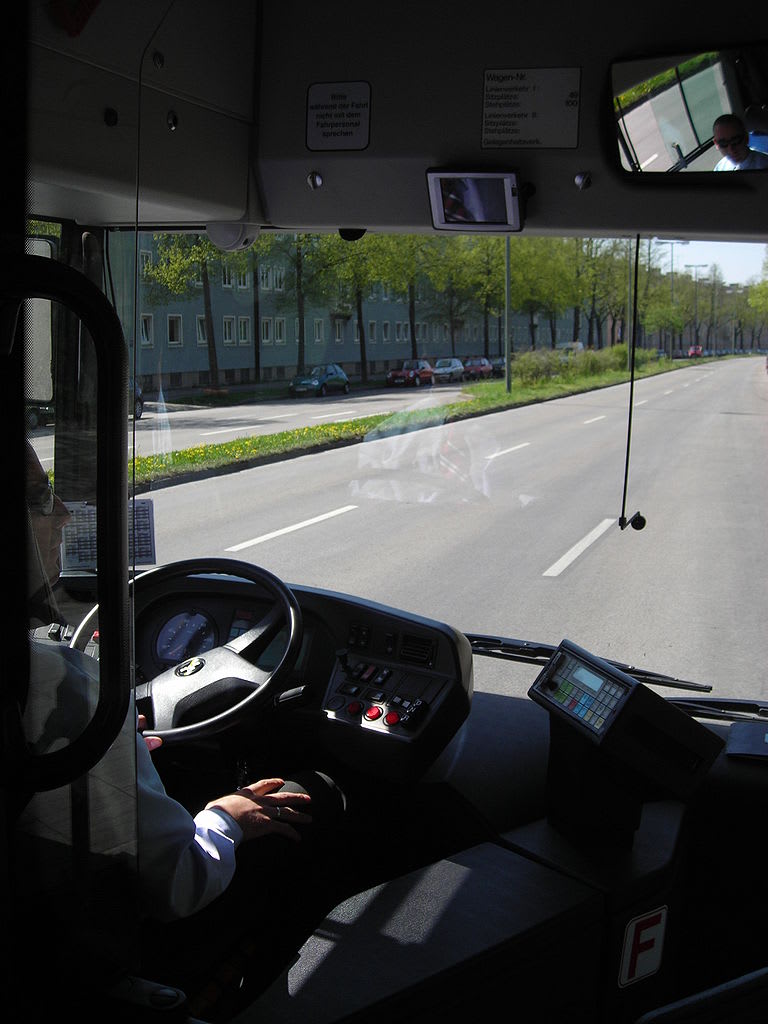
The 3 “S” rule of transportation — Safety/Service/Schedule — should not be limited to fixed-route bus service. Many modes of surface transportation can (and should) benefit from prioritizing the way in which we transport those that require our professional services. Whether we provide an airport shuttle service between terminals and/or rental car lots, or to and from a hotel, or perhaps as paratransit service, there are some common safety threads that apply universally to all operators.
Let’s begin with five safety tips. I will assume that each one of us, regardless of the service we provide, conducts a thorough pre-trip of our vehicle to identify any safety issues before encountering your customers, with an emphasis on the proper functioning and operation of all boarding and alighting supplemental items.
1. Pre-Departure:
Seat and Mirror Positioning - The most important tool for any operator. If you are not sure of what each mirror should be reporting back to the operator, get educated on that subject. If you can’t see it, you can’t avoid it.
2. Departure:
Secured Customers - Where applicable, are those seated properly belted/secured? Are those standing prepared for bus movement? Is anyone unsecured and still boarding?
3. Departing:
Late Arriving Customers - Is it permissible to close doors? Are there any customers running for the vehicle? Is it permissible to begin to move the vehicle? If moving left in an attempt to join the traffic flow, is a sufficient amount of real estate available for smooth integration into moving traffic? Depending on who will receive service, some passengers may already possess physical issues and a smooth vehicle operation will surely benefit them — perhaps even more so than others.
4. In Service:
Are the 3 “S” rules of transportation being applied in a way that your customers can easily detect and understand that their well-being is the main concern of the carrier? Is vehicle speed being applied in a manner to suit the driving conditions? Is the right side of the vehicle being protected from moving traffic when applicable — also known as “covering your right?”
Covering the right is a sure way to reduce right-side incidents, which for the most part should be considered a “preventable” collision. It’s a no-brainer that if we are frequently required to service passengers to the right — and for the most part we all do — eliminating vehicle activity on the right side of our vehicles should be the norm. Are these “In Service” tips listed to this point being applied routinely from stop to stop?
5. Post-Trip and Self Critique:
Just as important as the pre-trip, a post-trip of the vehicle completes the daily journey of each vehicle in your fleet. Early detection of mechanical/safety issues minimizes the strain put on other vehicles and operators that may have to do more with less. The danger in taking a post-trip lightly is that Schedule can dangeously replace Safety as the first priority in the three “S” order. This never leads to a good end result.
In closing, an honest evaluation of your shuttle operation’s daily performance can cause you, at times, to be overly critical of yourself. An awareness of where some improvement may be needed is good and will go a long way in your daily operation and advancement within your organization. Give yourself credit for a job well done when the end result justifies your good performance. You are performing a most difficult job.
Louie Maiello is a sr. consultant (transit training & simulation), L-3/DPA; independent consultant, Bus Talk Surface transit Solutions; and writes a monthly blog for metro-magazine.com.
More Security and Safety

Transit Agencies Highlight Safety Gains at National Summit
Leaders from 15 major transit systems shared crime-reduction results and safety initiatives while discussing the role of continued federal support.
Read More →
DART Launches Major Security, Fare Enforcement Initiative
The 90-day demonstration will deploy coordinated security teams at five light rail stations while testing controlled access and gathering data to guide future investments.
Read More →
RTD Launches NextRide App to Consolidate Trip Planning, Fares, Security Reporting
The app expands on RTD’s existing NextRide web application and allows customers to view real-time vehicle locations and service alerts, purchase and store digital fares, and access customer support.
Read More →
TAPTCO Updates OSHA Compliance Training for Transit Maintenance Operations
The revamped program addresses 26 OSHA standards for maintenance facilities, with TAPTCO pointing to training, documentation, and everyday shop hazards as continuing challenges for transit operations.
Read More →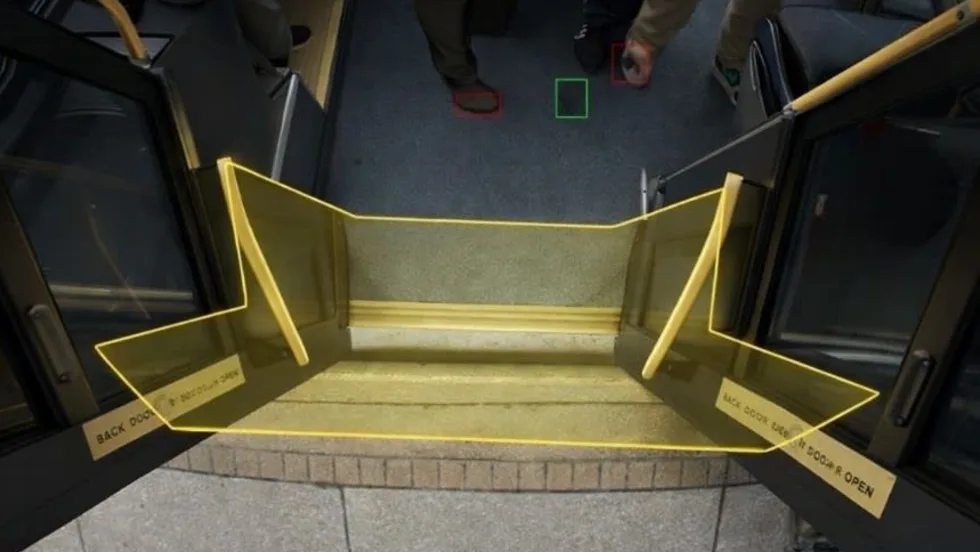
How VaporVision Adds Value to Transit Door Systems
Wabtec engineers explain how the system improves doorway detection, strengthens diagnostics and gives transit agencies and OEMs greater operating flexibility.
Read More →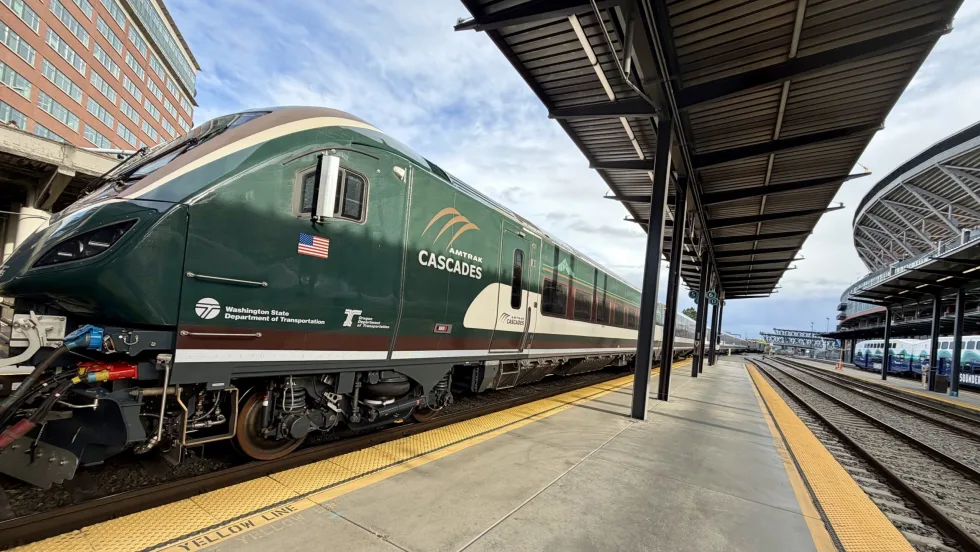
FRA Announces $5.3B in Rail Investments, Including $2B for Amtrak
Funding will support grade-crossing improvements, infrastructure upgrades, and new Amtrak equipment in 23 states.
Read More →
Chicago, Maryland Expand Non-Law-Enforcement Safety, Rider Support
The CTA and MTA are launching new programs aimed at de-escalation, crisis response, rider assistance, and greater transparency.
Read More →
LA Metro, City of West Hollywood, and Partners Advance Smarter Bus Lane Enforcement
The award-winning partnership combines AI-powered detection with human oversight to improve bus reliability, accessibility, and enforcement efficiency.
Read More →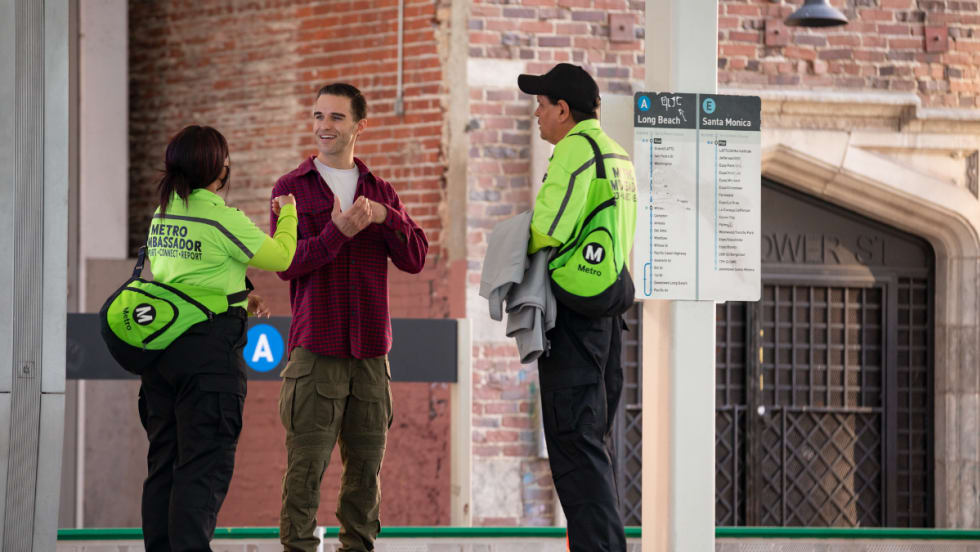
LA Metro Reports 57% Decline in Homelessness on Transit System Since 2024
The agency's latest homelessness count offers new data on how care-based services and cross-sector partnerships can complement traditional transit security strategies.
Read More →
FTA Launches 'Transit Moves America' Dashboard to Highlight Agency Safety and Performance
The online dashboard transforms National Transit Database information into a public-facing resource that allows users to compare transit agencies on key operational and safety metrics.
Read More →